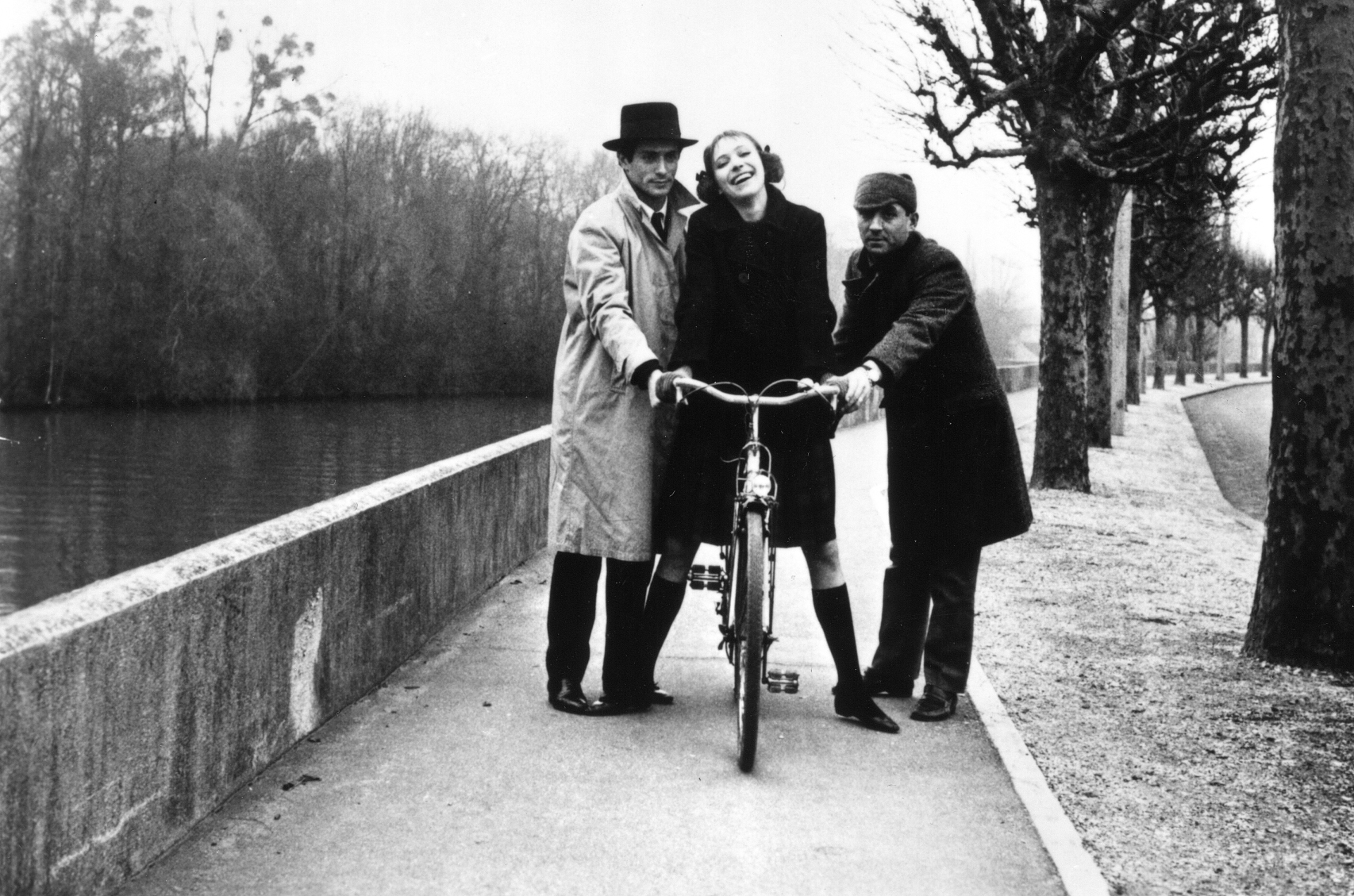
Jean-Luc Godard’s BAND OF OUTSIDERS is a different kind of heist movie
BANDE À PART (BAND OF OUTSIDERS) (Jean-Luc Godard, 1964)
Film Society of Lincoln Center
Elinor Bunin Munroe Film Center, Francesca Beale Theater
144 West 65th St. between Broadway & Amsterdam Ave.
Friday, October 18, 7:40
Series continues through October 31
212-875-5601
www.filmlinc.com
 When a pair of disaffected Parisians, Arthur (Claude Brasseur) and Franz (Sami Frey), meet an adorable young woman, Odile (Anna Karina), in English class, they decide to team up and steal a ton of money from a man living in Odile’s aunt’s house. As they meander through the streets of cinematographer Raoul Coutard’s black-and-white Paris, they talk about English and wealth, dance in a cafe while director Jean-Luc Godard breaks in with voice-over narration about their character, run through the Louvre in record time, and pause for a near-moment of pure silence. Godard throws in plenty of commentary on politics, the cinema, and the bourgeoisie in the midst of some genuinely funny scenes. Band of Outsiders is no ordinary heist movie; based on Dolores Hitchens’s novel Fool’s Gold, it is the story of three offbeat individuals who just happen to decide to attempt a robbery while living their strange existence, as if they were outside from the rest of the world. The trio of ne’er-do-wells might remind Jim Jarmusch fans of the main threesome from Stranger Than Paradise (1984), except Godard’s characters are more aggressively persistent. One of Godard’s most accessible films, Band of Outsiders is screening October 18 at the Francesca Beale Theater as part of the expansive Film Society of Lincoln Center series “Jean-Luc Godard — The Spirit of the Forms,” which continues through October 31 with such other Godard works as Les Carabiniers, La Chinoise, Contempt, Film Socialisme, King Lear, Nôtre musique, and many more.

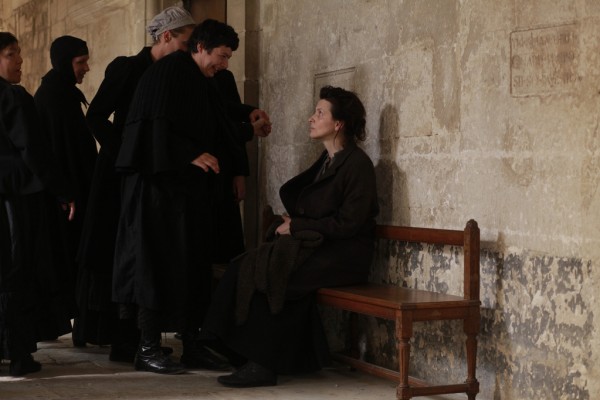
 Juliette Binoche gives a gut-wrenching performance as the traumatized title character in Bruno Dumont’s heartbreaking Camille Claudel 1915. The film takes place over the course of several days in 1915, as the sculptor and former mistress of Auguste Rodin awaits a visit from her younger brother, poet, devout Christian, and diplomat Paul Claudel. Camille has been moved to an asylum in Montdevergues, where she prepares her own meals for fear of being poisoned on orders from Rodin, who she believes is still trying to ruin her life and career twenty years after their personal and professional relationships ended. Run by nuns, the asylum is home primarily to deeply disturbed women incapable of taking care of themselves and barely able to speak coherent sentences. Claudel, a loner who was committed by her family shortly after the death of her father, desperately wants to be released and get her life back, but everything seems to be poised against her. Binoche, her pale face appearing to have been chiseled like one of Claudel’s sculptures, plays Camille with a subtle yet stern beauty, giving several long, impassioned speeches that writer-director Dumont (Twentynine Palms, L’humanité) and cinematographer Guillaume Deffontaines shoot in single takes, the camera remaining still, Camille framed like a painting. Throughout the film, Camille is seen amid mostly blacks, grays, browns, and whites, a monochromatic color scheme that echoes her work. The film has a cinéma vérité feel, as much of the sparse dialogue is improvised, many of the nuns are nurses at the asylum, and several of the patients are actually committed there, lending a neo-Realist quality to the austere setting. The film, which is “freely adapted from” Paul’s writings and letters, Camille’s letters, and medical records, is not a biopic; instead, it’s a fascinating study of a talented artist and the mental anguish that ultimately overwhelmed her.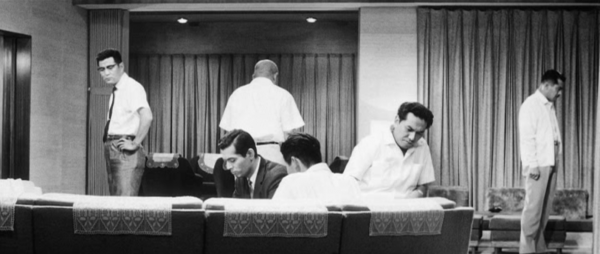
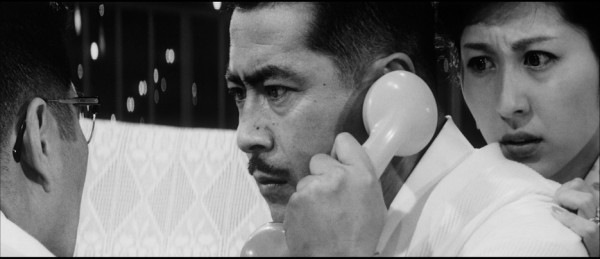
 On the verge of being forced out of the company he has dedicated his life to, National Shoes executive Kingo Gondo’s (Toshirō Mifune) life is thrown into further disarray when kidnappers claim to have taken his son, Jun (Toshio Egi), and are demanding a huge ransom for his safe return. But when Gondo discovers that they have mistakenly grabbed Shinichi (Masahiko Shimazu), the son of his chauffeur, Aoki (Yutaka Sada), he at first refuses to pay. But at the insistence of his wife (Kyogo Kagawa), the begging of Aoki, and the advice of police inspector Taguchi (Kenjiro Ishiyama), he reconsiders his decision, setting in motion a riveting police procedural that is filled with tense emotion. Loosely based on Ed McBain’s 87th Precinct novel King’s Ransom, Akira Kurosawa’s High and Low is divided into two primary sections: the first half takes place in Gondo’s luxury home, orchestrated like a stage play as the characters are developed and the plan takes hold. The second part of the film follows the police, under the leadership of Chief Detective Tokura (Tatsuya Nakadai), as they hit the streets of the seedier side of Yokohama in search of the kidnappers. Known in Japan as Tengoku to Jigoku, which translates as Heaven and Hell, High and Low is an expert noir, a subtle masterpiece that tackles numerous socioeconomic and cultural issues as Gondo weighs the fate of his business against the fate of a small child; it all manages to feel as fresh and relevant today as it probably did back in the ’60s.