Human nature is explored through the eyes of horses in wildly entertaining Icelandic tale
OF HORSES AND MEN (HROSS Í OSS) (Benedikt Erlingsson, 2013)
Film Society of Lincoln Center, Walter Reade Theater
165 West 65th St. between Eighth Ave. & Broadway
Monday, March 24, 6:30
Series runs through March 30
212-875-5050
www.newdirectors.org
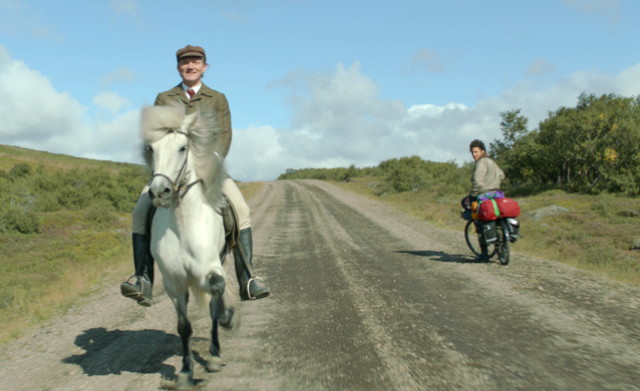
 Iceland’s entry for the 2013 Academy Awards, Benedikt Erlingsson’s black comedy, Of Horses and Men, takes an absurdist look at the relationship between humans and horses, incorporating love, sex, pain, responsibility, friendship, religion, and death in darkly comic and heart-rending ways. In a tight-knit community spread across a sweeping rural landscape in Iceland, horses are far more plentiful than people. One morning, Kolbeinn (Ingvar E. Sigurdsson) goes for a ride aboard his gorgeous white mare as men, women, and children come outside to watch him pass by like it’s a parade. But a shocking, unexpected encounter with Solveig’s (Charlotte Bøving) black stallion sets into motion a series of interconnected vignettes, each successive one featuring a minor character from a previous scene. Lust, land disputes, gender distinction, and other agreements and disagreements lead to either tragedy or joy, but, of course, this being Iceland, the former is far more prevalent, especially as more and more Brennivin (Black Death) and other drink is consumed. Writer-director Erlingsson’s debut feature is gorgeously photographed by Bergsteinn Björgúlfsson, whose camera moves lovingly over the green fields and mountainous valleys, treating the horses like Hollywood sirens, zooming in on their eyes to show the reflection of the people who seek to control them, equating the basic animal instincts of both species. The horses in the film are no mere props; Erlingsson, who grew up in a theatrical family and has directed numerous stage productions (in addition to owning a horse, whom he called his “life companion,” for thirty years until recently having to put her down), treats the animals like characters in their own right, revealing their, dare we say, humanity. Produced by Icelandic cinema legend Friðrik Þór Friðriksson (Children of Nature, Mamma Gógó), Of Horses and Men is a dark, wildly entertaining treatise on human nature among a rather quirky and unusual equestrian set. The film is being shown March 24 at 6:30 at the Walter Reade Theater as part of Lincoln Center and MoMA’s annual “New Directors / New Films” series, with Erlingsson on hand to participate in a postscreening Q&A.
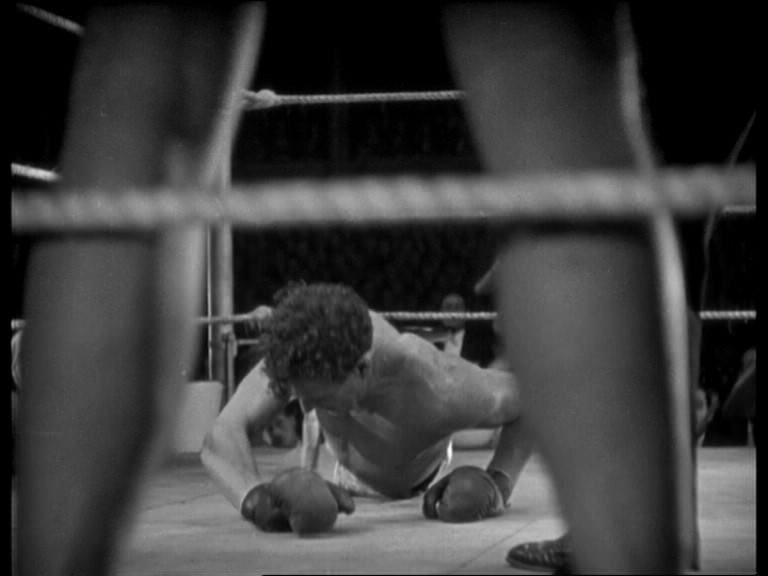
 When one thinks of Alfred Hitchcock, such psychological thrillers as North by Northwest, Psycho, Vertigo, Notorious, and Rear Window come to mind, not The Manxman, Easy Virtue, The Pleasure Garden, and The Farmer’s Wife. But it is these early, British silent films that are the focus of Film Forum’s “The Hitchcock 9,” which is part of the larger series “The Complete Hitchcock,” consisting of every other picture Sir Alfred made, including those abovementioned films. The dual festival features DCP restorations of nine romantic melodramas made by the Master of Suspense, each one with live musical accompaniment by pianist Steve Sterner. The series continues with 1927’s The Ring, a tantalizing tale of a love triangle set in the world of boxing, a favorite sport of Hitchcock’s. When Bob Corby (Ian Hunter) shows up at a county fair and takes a liking to Mabel (Lillian Hall-Davis), who sells tickets to see her fiance, “One-Round” Jack Sander (Carl Brisson), battle all comers for a cash prize, Corby decides to get in the ring with Sander to impress Mabel; little do they know that Corby is a professional. Soon the two men are also fighting outside the ring, to win the heart of their beloved. Comic relief is supplied by Gordon Harker as Jack’s trainer, who makes some very funny faces throughout. One can see Hitchcock’s visual style emerging in The Ring, as he employs little dialogue in favor of dramatic montages, ghostly superimpositions, and shadowy lighting. The intriguing work, produced at Elstree Studios and the first film to be released by Gainsborough Pictures, also deals with issues of class and financial success, themes that will become prevalent in much of Hitchcock’s oeuvre.
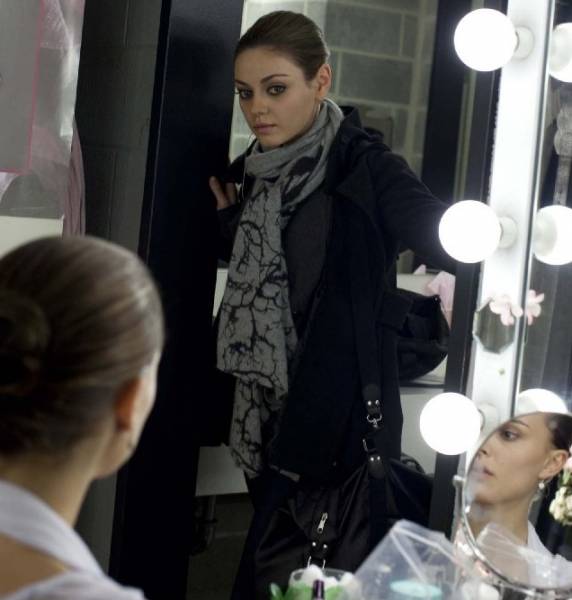
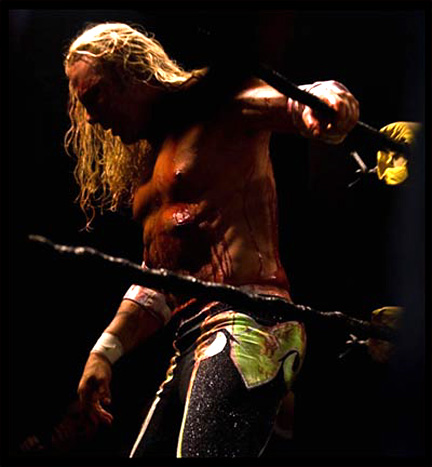
 A companion piece to 2008’s multilayered The Wrestler, in which a rejuvenated Mickey Rourke plays an aging athlete trying to regain control of his body and his life while attempting to reestablish a connection with his daughter, Darren Aronofsky’s Black Swan is an even more complex psychological study of just how far the mind and body can go to get what it wants and needs. Natalie Portman stars as Nina Sayers, a member of a Manhattan-based ballet company who is vying for the lead role in a new production of Tchaikovsky’s classic 1877 ballet, Swan Lake, the tragic tale of a princess transformed into a white swan who must find true human love to be released, complicated by an evil magician, a black swan rival, and a handsome prince. Nina lives a sheltered existence dominated by her failed-ballerina mother, Erica (Barbara Hershey), squeezed into a cramped New York City apartment and not allowed to have a social life. Womanizing choreographer Thomas Leroy (Vincent Cassel) is convinced that Nina can dance the white swan but has severe doubts that she has it within her to dance the black swan, even after selecting her to replace former prima ballerina Beth MacIntyre (Winona Ryder). Desperate to bring out Nina’s dark side, Leroy creates a competition between her and free-spirited dancer Lily (Mila Kunis), a sexy, tattooed young dancer who lives life on the edge. As opening night approaches, Nina must reach deep inside herself if she is to attain her dream, leaving all her fears and insecurities behind.