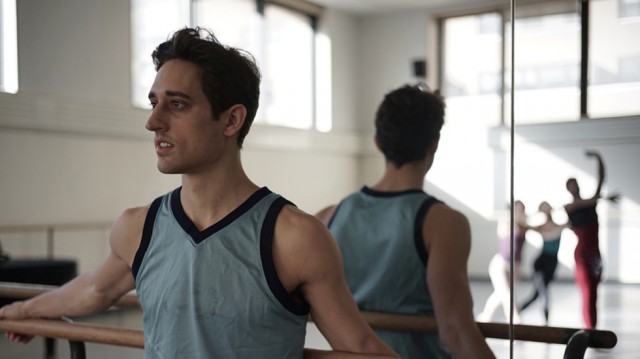
Viewers are taken behind the scenes as Justin Peck creates a new work for New York City Ballet
BALLET 422 (Jody Lee Lipes, 2014)
Film Society of Lincoln Center, Elinor Bunin Monroe Film Center, Francesca Beale Theater, 144 West 65th St. between Broadway & Amsterdam Ave., 212-875-5600
Landmark Sunshine Cinema, 143 East Houston St. between First & Second Aves., 212-330-8182
Opens Friday, February 6 (special advance screening February 3 at 7:00 at BAMcinématek)
www.magpictures.com
 In Ballet 422, Jody Lee Lipes takes viewers behind the scenes as twenty-five-year-old New York City Ballet dancer Justin Peck choreographs the 422nd original piece for the prestigious company, Paz de la Jolla. One of fifty dancers in the Corps de Ballet, which the film calls “the lowest rank” of NYCB, Peck was named by company head Peter Martins to be the New York Choreographic Institute’s first active choreographer-in-residence for the 2011-12 season, and he is the only current NYCB dancer to choreograph for the company. Documentarian and cinematographer Lipes (NY Export: Opus Jazz, Tiny Furniture) focuses on the fascinating collaboration that goes into creating a ballet. “As a former soloist with New York City Ballet, I had long dreamed about pulling back the veil on the making of a new ballet,” producer Ellen Bar explains on the film’s Hatchfund page, which has raised more than $55,000 for the project. “Even as a dancer who was often part of the choreographic process, I never saw the other artistic and technical elements develop until the very end. Wouldn’t it be amazing to invite audiences into a world they can never visit in person and to let them watch it unfold in real time?” Lipes does just that, showing Peck and ballet master Albert Evans working out specific moves with principal dancers Sterling Hyltin, Amar Ramasar, and Tiler Peck; costumers Reid Bartelme and Harriet Jung discussing materials with the performers; Mark Stanley detailing the lighting design; and Peck meeting with conductor Andrews Sill, who reveals that the orchestra is not particularly fond of playing the ballet’s musical score, Czech composer Bohuslav Martinu’s “Sinfonietta la Jolla.”
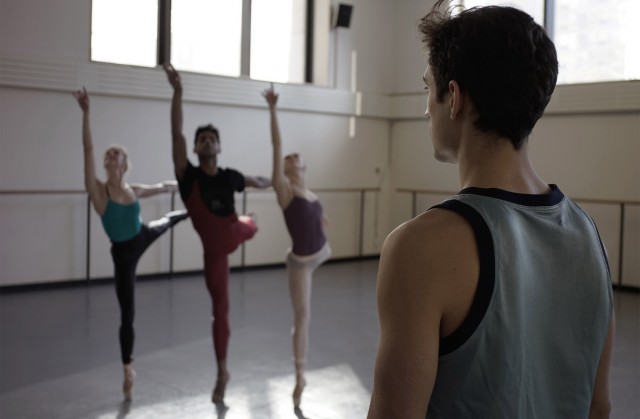
Sterling Hytlin, Amar Ramasar, and Tiler Peck rehearse with Justin Peck on 422nd original piece for New York City Ballet
There are no talking heads in the film, no experts chiming in on the beauty and intricacy of ballet, no one pontificating on how unusual it is for such a young dancer to already be choreographing his fifth work for the company, following Year of the Rabbit, Tales of a Chinese Zodiac, In Creases, and Capricious Movements. No one stops and looks into the camera, sharing their fears, hopes, or dreams; Lipes doesn’t even identify who’s who, instead allowing the drama to play out sans editorial comment. A few times, the camera goes with Peck as he puts on his backpack and heads home to his unglamorous Queens apartment, and the surprise ending puts everything in fabulous perspective. You don’t have to love ballet or know anything about it to enjoy Ballet 422, an intimate, compelling inside look into the creative process, but don’t be surprised if you soon find yourself ordering tickets for an upcoming NYCB production — perhaps even Peck’s latest work for the company, a new interpretation of Aaron Copland’s Rodeo, which is having its premiere February 4 at the David H. Koch Theater. Ballet 422 opens February 6 at the Landmark Sunshine and the Film Society of Lincoln Center, where Lipes and Peck will participate in a Q&A following the 7:15 screening and will introduce the 9:35 show on February 6. In addition, the film is having a sneak peek February 3 at 7:00 as part of the BAMcinématek series “Two by Jody Lee Lipes,” followed by a Q&A with Lipes.
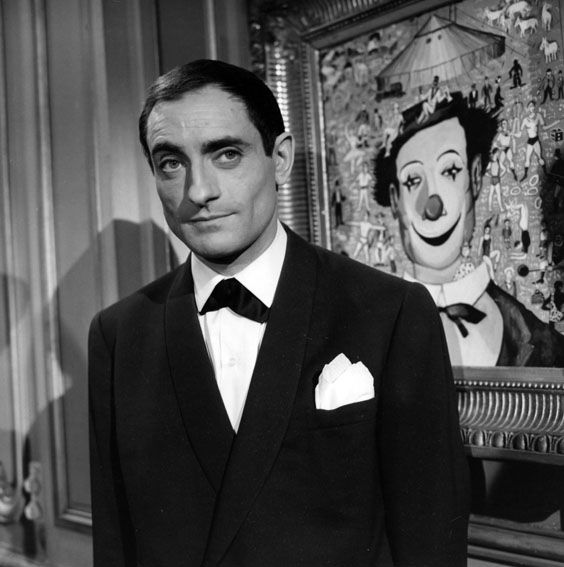
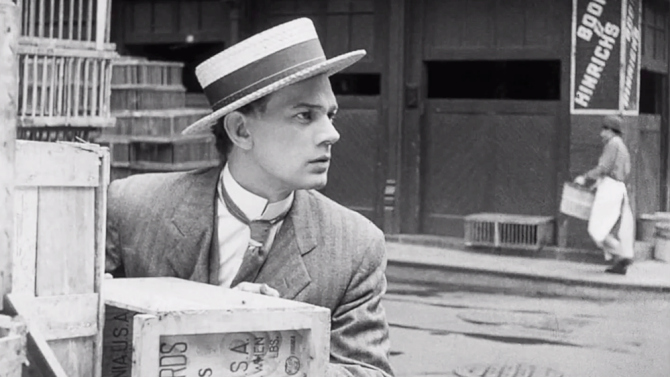
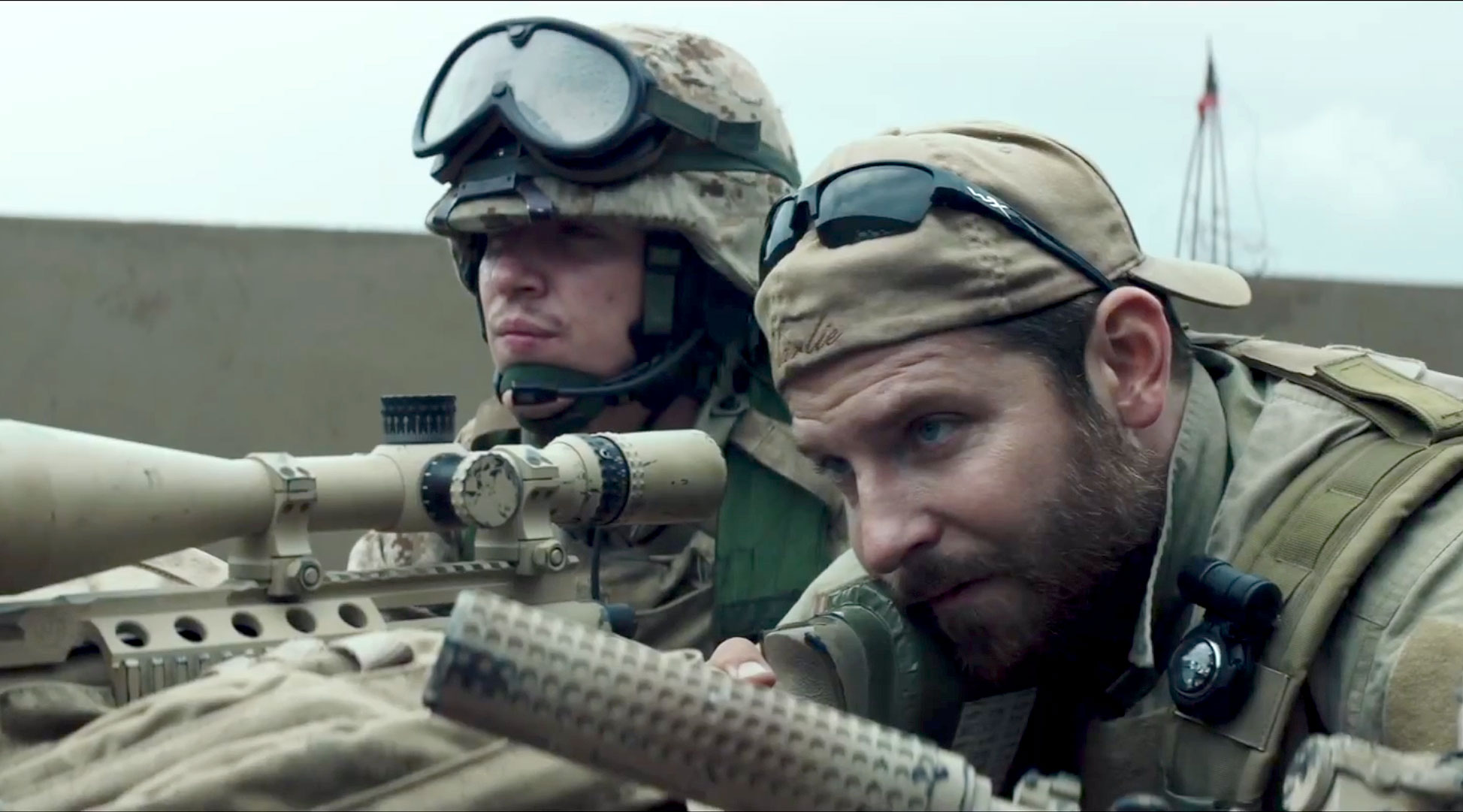
 Three dozen years ago, I remember being blown away by Alan Parker’s Midnight Express, the supposedly true story of Billy Hayes, a New York City native busted for smuggling hash into Turkey in 1970 who ended up escaping from prison five years later. Although the film was based on Hayes’s book, it took liberties with the truth, turning Hayes into a heroic figure and inventing nonexistent characters; Hayes was particularly disappointed with the depiction of the Turkish people in the film. “My problem with the movie is there are no good Turks in it,” he said years later, pointing out that in reality he had made several good Turkish friends. “All the Turks in Midnight Express are bad. . . . It’s all very one-dimensional.” In 2004, screenwriter Oliver Stone apologized for his embellishments. “It’s true I overdramatized the script,” Stone said in Istanbul. “For years, I heard that Turkish people were angry with me, and I didn’t feel safe there.” Filmmakers are always given a certain amount of poetic license, but when does it become too much? The Midnight Express scenario ran through my mind shortly after seeing American Sniper, Clint Eastwood’s Oscar-nominated film about Chris Kyle, based on the Navy SEAL’s memoir about his multiple tours overseas, American Sniper: The Autobiography of the Most Lethal Sniper in U.S. Military History. It’s a tense, expertly made thriller about a sharpshooter who is compelled by the events of 9/11 to join the military and defend his country and democracy. Bradley Cooper is mesmerizing as Kyle, making viewers watch him as closely as he watches his targets. Cooper, who has been nominated for an Oscar three years in a row now, following nods for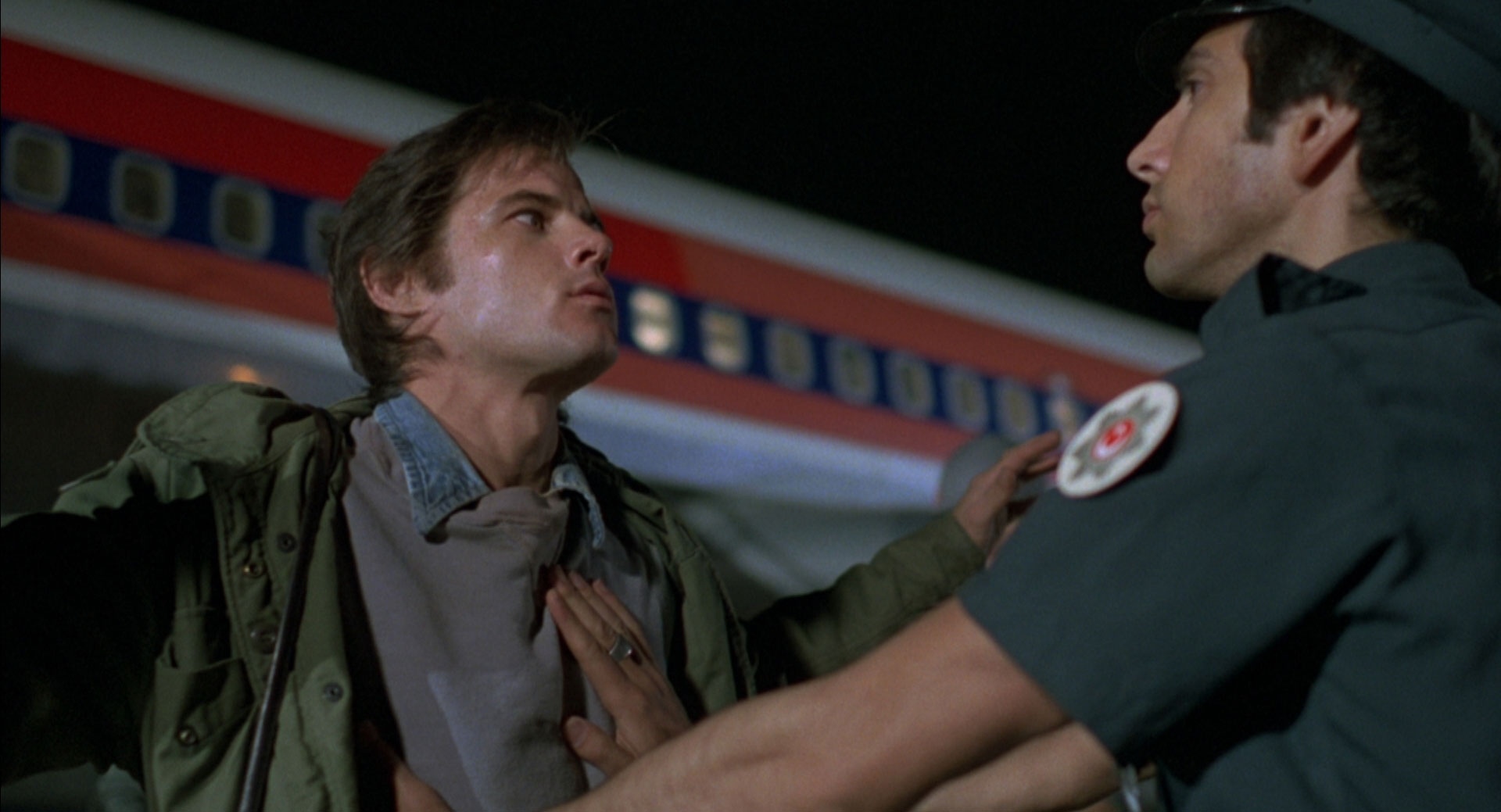
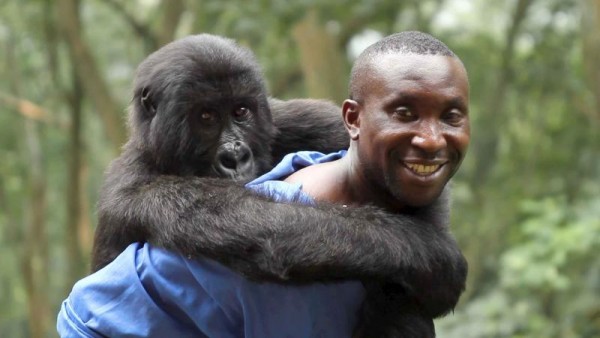
 Nominated for an Oscar for Best Documentary, Orlando von Einsiedel’s gripping Virunga is back on the big screen, in a return engagement at Cinema Village. In his debut feature, von Einsiedel, who previously made short documentaries about skateboarders in Kabul, young women knitting in Nigeria, and illegal fishing in Sierra Leone, originally set out to make a heartwarming story about a group of rangers caring for the mountain gorillas and natural environment of Virunga National Park in the eastern Congo. But as the civil war ramped up, he found himself in the middle of a fierce life-and-death struggle involving the criminal exploitation of the UNESCO world heritage site. As the London-based SOCO International moves in to prepare to drill for oil illegally, von Einsiedel starts following the money, uncovering a series of payoffs being tracked by French journalist Melanie Gouby. Meanwhile, ranger Andre Bauma cares for orphan mountain gorillas Ndeze, Nkadasi, Maisha, and Koboko, protecting them and other animals from poachers who want to sell their body parts — or kill them outright so the government won’t need to preserve the park just to save any wildlife.