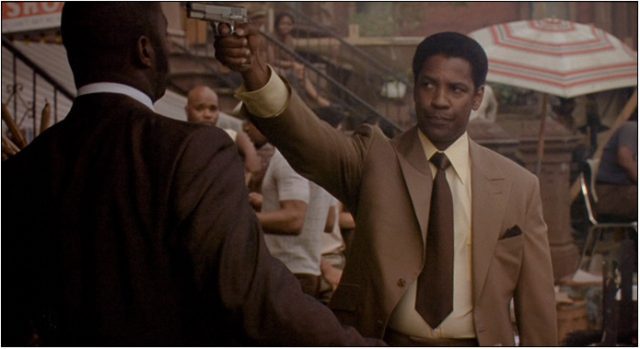
Young Elgar Winthrop Julius Enders’s (Beau Bridges) spoiled life of privilege is about to dramatically change in The Landlord
THE LANDLORD (Hal Ashby, 1970)
Film Forum
209 West Houston St.
Sunday, July 23, 12:30, 4:30, and 8:30
Series runs through July 27
212-727-8110
filmforum.org
 When rich kid Elgar Winthrop Julius Enders (Beau Bridges) finally decides to do something with his spoiled life of privilege, he takes a rather curious turn, buying a dilapidated tenement in a pregentrified Park Slope that resembles the South Bronx in Hal Ashby’s poignant directorial debut, The Landlord. At first, the less-than-worldly Elgar doesn’t quite know what he’s gotten himself into, believing it will be easy to kick out the current residents and then replace the decrepit building with luxury apartments. He pulls up to the place in his VW bug convertible, thinking he can just waltz in and do whatever he wants, but just as his car is vandalized, so is his previously charmed existence, as he gets to know wise house mother Marge (Pearl Bailey), the sexy Francine (Diana Sands), her activist husband, Copee (Louis Gossett Jr.), and Black Power professor Duboise (Melvin Stewart), none of whom is up-to-date with the rent. Meanwhile, Elgar starts dating Lanie (Marki Bey), a light-skinned half-black club dancer he assumed was white, infuriating his father, William (Walter Brooke), and mother, Joyce (a delightful, Oscar-nominated Lee Grant), who are in the process of setting up their daughter, Susan (Susan Anspach), with the white-bread Peter Coots (Robert Klein).
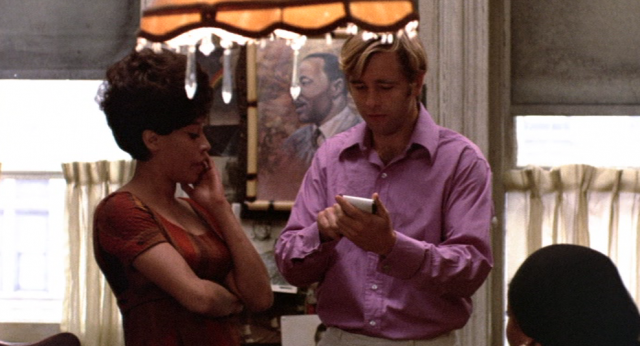
Elgar has a whole lot of learning to do in Hal Ashby’s New York City–set black comedy
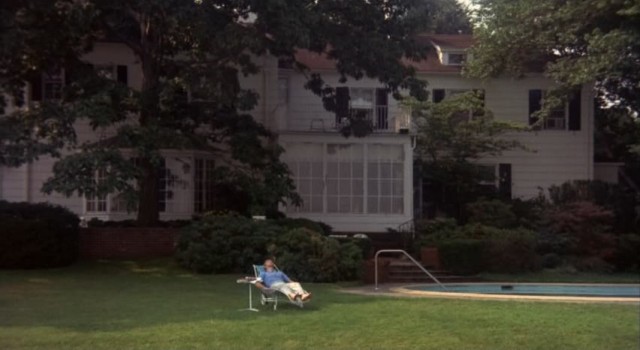
Based on the novel by Kristin Hunter, The Landlord is a telling microcosm of race relations and class conflict in a tumultuous period in the nation’s history, as well as that of New York City, coming shortly after the civil rights movement and the free-love late ’60s. The film is masterfully shot by Astoria-born cinematographer Gordon Willis (Klute, Annie Hall, Manhattan, all three Godfather movies), who sets the bright, open spaces of the Enderses’ massive estate against the dark, claustrophobic rooms of the dank tenement. Screenwriter Bill Gunn (Ganja and Hess) and Ashby avoid getting overly preachy in this at-times outrageous black comedy, incorporating slapstick along with some more tender moments; the scene in which Joyce meets Marge is a marvel of both. And just wait till you see Coots’s costume at a fancy fundraiser. The Landlord began quite a string for Ashby, who followed it up with Harold and Maude, The Last Detail, Shampoo, Bound for Glory, Coming Home, and Being There in a remarkable decade for the former film editor (In the Heat of the Night) who died in 1988 at the age of fifty-nine. The Landlord is screening July 23 at 12:30, 4:30, and 8:30 in Film Forum’s terrific “Ford to City: Drop Dead — New York in the 70s” series, which continues through July 27 with such other Gotham favorites as Taxi Driver, Midnight Cowboy, Saturday Night Fever, and Marathon Man and such inspired double features as Shaft and Super Fly, Across 110th Street and Cops and Robbers, Dressed to Kill and Death Wish, Three Days of the Condor and The Eyes of Laura Mars, and The Warriors and Escape from New York.
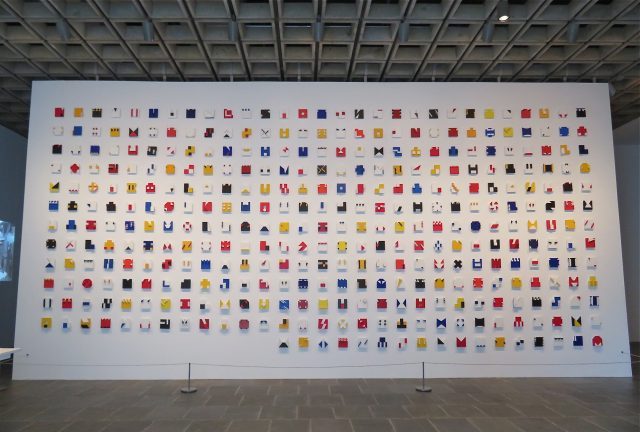

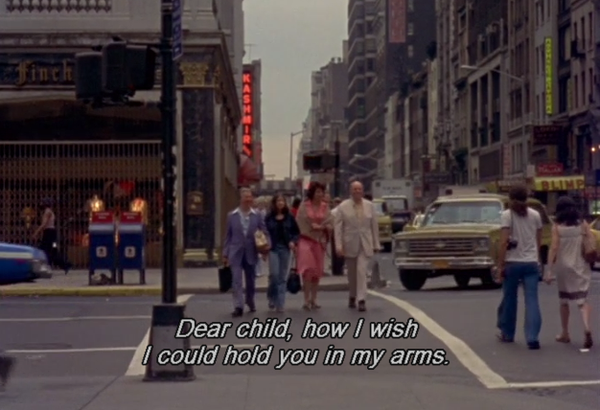
 In 1971, twenty-year-old Chantal Akerman moved to New York City from her native Belgium, determined to become a filmmaker. Teaming up with cinematographer Babette Mangolte, she made several experimental films, including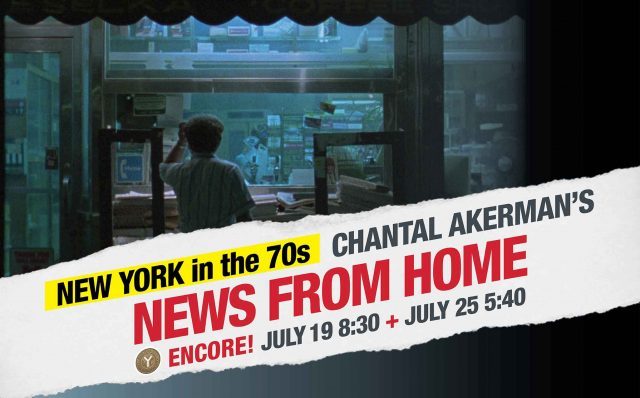
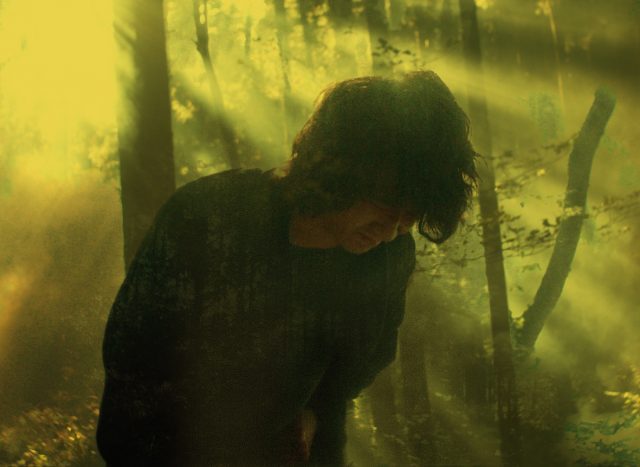
 Writer, director, editor, and composer Soro Hakimoto’s cinematic debut, Haruneko, opens with a swirling, unidentifiable image and gently haunting music featuring portentous voices that fade away as a misty forest emerges and an old white car appears, complete with a black cat. “Let’s sing,” the young driver (Keisuke Yamamoto) mumbles to himself as an old man (Yohta Kawase) looks steadily in front of him in the backseat. It’s an alluring beginning to a film that includes so many classic Japanese movie tropes: ghosts, ominous felines, yakuza, a mysterious forest, sudden bursts of singing, poorly translated subtitles, and a perplexing plot. Amid a lush green landscape is a lone cabin, where people come to die. It is operated by the Manager (Yamamoto) with the help of a young boy named Haru (Ryuto Iwata); also there are the boy’s piano-playing sister (Minako Akatsuka), their grandmother (Lily), and an old man (Min Tanaka) who sits in a rocking chair on the porch. In the middle of the forest is a dark area where the Manager, dressed in a striking white tuxedo, hosts a magic lantern show, spouting poetry and breaking out into uplifting J-pop as slides of a person’s life are projected onto a screen. “Petals are dancing in the wind to celebrate our meeting and departing,” the Manager says. “What is what you see to you? What is not what you don’t see to you?” Later the café is visited by a distraught and crazed yakuza on the run (Yo Takahashi) and a longhaired man (Llon Kawai) with a selfie stick who has committed a horrific atrocity, both seeking, in their own ways, to end their misery. Through it all, the residents of the café remain calm and understanding as their visitors face their destiny.