Beautifully contemplative Korean classic screens this weekend at IFC Center
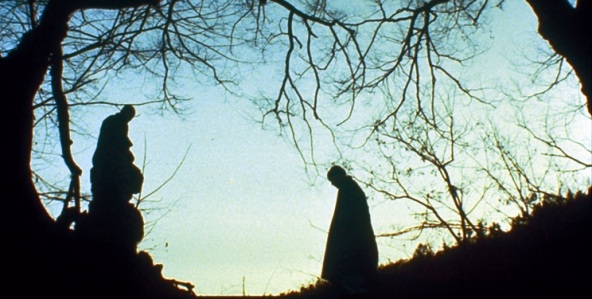
WHY HAS BODHI-DHARMA LEFT FOR THE EAST? (DHARMAGA TONGJOGURO KAN KKADALGUN?) (Bae Yong-kyun, 1989)
IFC Center
323 Sixth Ave. at Third St.
Sunday, March 20, 11:00 am
212-924-7771
www.ifccenter.com
 Up in the wilderness of Mount Chonan, far away from civilization, young orphan Haejin (Huang Hae-Jin) and Kibong (Won-Sop Sin), a refugee from “the world,” learn about the self and the other from aging master Hyegok (Pan-Yong Yi) as they contemplate the Buddhist philosophy of life and death. First-time Korean filmmaker Bae Yong-kyun wrote, directed, photographed, and edited this meditative, moving story over several years during the turbulent mid-to-late 1980s, when student unrest and unhappy workers helped end the Chun Doo Hwan regime. Thus, the freedom the characters are striving for is not only the Zen freedom from attachment and earthly ties but the political freedom from an oppressive leadership. Bae, who is also a painter, imbues the film with beautiful photography and gorgeously framed shots. It might be slow-paced, but it’ll draw you in if you’re willing to free your mind of material concerns. The film won the Golden Leopard at the Locarno Film Festival and gained international notoriety when Sight and Sound magazine named it in 1992 one of the ten best films ever made; it was also the first Korean film to be released theatrically in the United States.

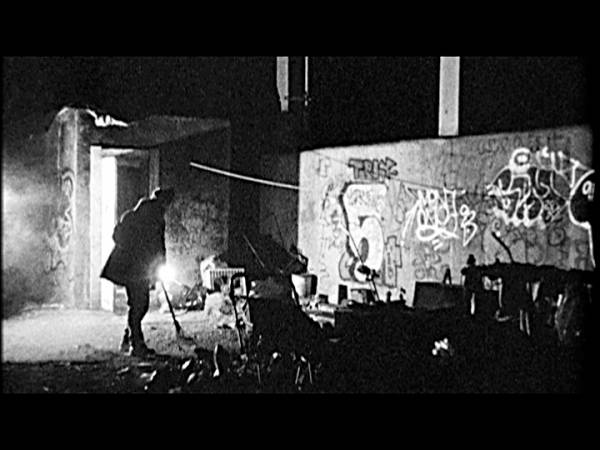
 The award-winning documentary Dark Days takes a frightening look at a community of homeless men and women — many of them former or current crack users — who live in the Amtrak tunnels beneath Penn Station. They sleep in tents, cardboard shacks, and small plywood shanties, some of which have been painted and decorated. As the belowground residents shave, cook, play with their pets, and take showers under leaking pipes, trains speed by, and rats scavenge through the countless mounds of garbage. At times some of the men venture aboveground (“up top”) to go through trash cans, mostly looking for recyclable bottles and junk items they can resell. First-time filmmaker Marc Singer became a part of this colony for two years (he initially went down to help the people, not to film them), getting the residents to open up and tell their fascinating stories, which turn out to be filled with a surprising zest for living. In fact, all of the underground shooting was completed with the help of the subjects themselves acting as the crew when they were not on camera. DJ Shadow composed the haunting music for this strangely enriching look at a mysterious, truly terrifying part of New York City. Dark Days kicks off the True Crime New York series at the Maysles Cinema in Harlem on March 21 and will be introduced by former mayor David Dinkins; the special event, curated by Sylvia Savadjian, will be followed by a discussion with Singer and Mary Brosnahan, the executive director of the Coalition for the Homeless. The series continues March 22, 24, and 26 with Alex Gibney’s Client 9: The Rise and Fall of Elliot Spitzer and March 23, 25, and 27 with Charles Ferguson’s Oscar-winning Inside Job. There will be postscreening Q&As on March 24 with Gibney and March 25 with activist Carl Dix, with more to be announced.

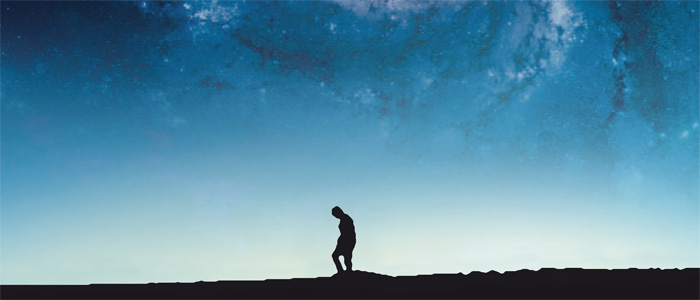
 Master documentarian Patricio Guzmán’s Nostalgia for the Light is a brilliant examination of memory and the past, one of the most intelligent and intellectual films you’re ever likely to see. But don’t let that scare you off — it is also a vastly entertaining, deeply emotional work that will blow you away with its stunning visuals and heartbreaking stories. Guzmán, who chronicled the assassination of Salvador Allende and the rise of Augusto Pinochet in the landmark three-part political documentary The Battle of Chile, this time visits the Atacama Desert in his native Chile, considered to be the driest place on Earth. Situated ten thousand feet above sea level, the desert is home to La Silla and Paranal Observatories, where astronomers come from all over the world to get unobstructed views of the stars and galaxies, unimpeded by pollution or electronic interference. However, it is also a place where women still desperately search for the remains of their loved ones murdered by Pinochet’s military regime and hidden away in mass graves. In addition, archaeologists have discovered mummies and other fossilized bones dating from pre-Columbian times there. Guzmán seamlessly weaves together these three journeys into the past — as astronomers such as Gaspar Galaz and Luis Hernandez note, by the time they see stars either with the naked eye or through the lens of their massive telescopes, the celestial bodies have been long dead — creating a fascinating narrative that is as thrilling as it is breathtaking. Constructing a riveting tale of memory, Guzmán speaks with architect Miguel Lawner, who draws detailed maps of the Chacabuca desert concentration camp where he and so many other political prisoners were held; Valentina, a young astronomer whose grandparents had to give up her parents in order to save her when she was a baby; archaeologist Lautaro Nunez, who digs up mummies while trying to help the women find “los desaparecidos”; and Victoria and Violeta, who regularly comb the barren landscape in search of their relatives. “I wish the telescopes didn’t just look into the sky but could also see through the earth so that we could find them,” Violeta says at one point. Spectacularly photographed by Katell Dijan, Nostalgia for the Light is a modern masterpiece, an unparalleled cinematic experience that has to be seen to be believed. (Guzmán will be at the IFC Center for the 8:10 screenings on Friday and Saturday night to talk about the film, and BAMcinématek will be presenting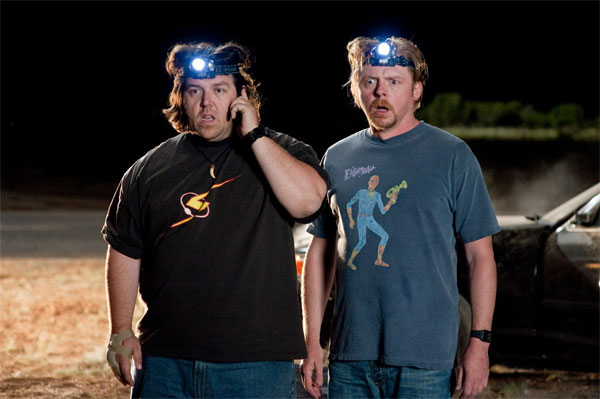
 After having a blast with the zombie (Shaun of the Dead) and buddy-cop (Hot Fuzz) genres, cowriters Simon Pegg and Nick Frost look to the stars in their latest parody, Paul. Frost and Pegg play sci-fi writer Clive Gollings and illustrator Graeme Willy, respectively, geeky childhood friends who are in the midst of fulfilling a lifelong dream as they travel to San Diego for Comic Con, then set off on a road trip to such supposed UFO sites as Area 51, Roswell, and the Black Mailbox. Along the way, they meet a pair of gay-bashing rednecks (David Koechner and Jesse Plemons), a cool diner owner (Jane Lynch), and the Bible-thumping, shotgun-toting Moses Buggs (John Carroll Lynch) and his Bible-thumping daughter, Ruth (Kristen Wiig) — oh, and they pick up a cigarette-smoking hipster alien dude named Paul (voiced by Seth Rogen) who has escaped from the U.S. government. Rumbling cross-country in their RV, Clive, Graeme, Paul, and eventually Ruth are being hotly pursued by determined CIA agent Zoil (Jason Bateman) and Zoil’s two somewhat incompetent inferiors, Haggard (Bill Hader) and O’Reilly (Joe Lo Truglio), who aren’t sure what they’re after but are starting to believe it’s something big. The two legal British aliens and the illegal otherworldly alien begin to bond, but as Zoil closes in, they realize that this is no mere sci-fi story they’re in but the real thing. Paul is a hit-or-miss comedy that hits more than it misses, lovingly paying homage to the genre with references to such films and television shows as Close Encounters of the Third Kind, Alien, The X-Files, E.T.: The Extra-Terrestrial, Star Trek, Star Wars, and other faves. The road movie has its share of bumps, courtesy of director Greg Mottola, who previously helmed the overrated Superbad (2007) and the underrated Adventureland (2009), but Pegg and Frost are a hoot to watch, no matter what they’re doing.