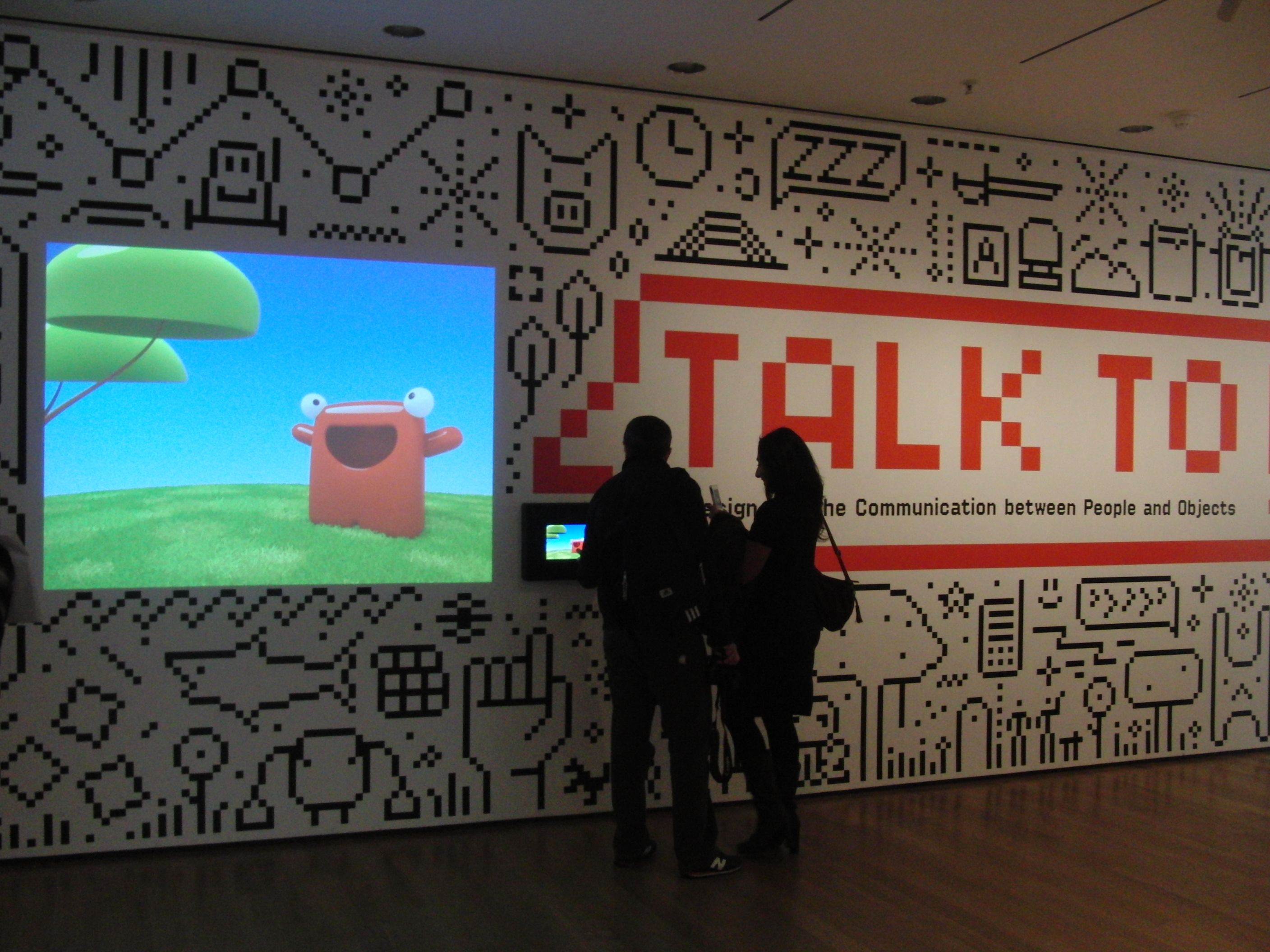
Yann Le Coroller, “Talking Carl,” 3DSmax, Vray, and Xcode software, 2010 (photo by twi-ny/mdr)
Museum of Modern Art
11 West 53rd St. between Fifth & Sixth Aves.
Wednesday – Monday through November 7, $25
212-708-9400
www.moma.org
On October 14, Apple released the iPhone 4S, the latest iteration of the handheld device that reached a whole new synthesis of design, technology, and communication with Siri, which responds to voice commands with a voice of its own. Although not part of MoMA’s interactive “Talk to Me: Design and the Communication between People and Objects,” the iPhone is a prime example of how the relationship between man and machine has changed over the decades. “The bond between people and things has always been filled with powerful and unspoken sentiments going well beyond functional expectations and including attachment, love possessiveness, jealousy, pride, curiosity, anger, even friendship and partnership,” writes senior curator Paola Antonelli in the exhibition catalog, which also contains essays by Jamer Hunt, Alexandra Midal, Khol Vinh, and Kevin Slavin. Indeed, there is surprising warmth to the exhibit, which invites visitors to explore not only the many items’ visual splendor but their interactivity as well. People are greeted at the entrance by Yann Le Coroller’s “Talking Carl,” a cute and silly Etch-a-Sketch-like animated being that responds to sound and touch, a fun opening to a wide-ranging wonderland of high- and low-tech displays that examine both form and function.
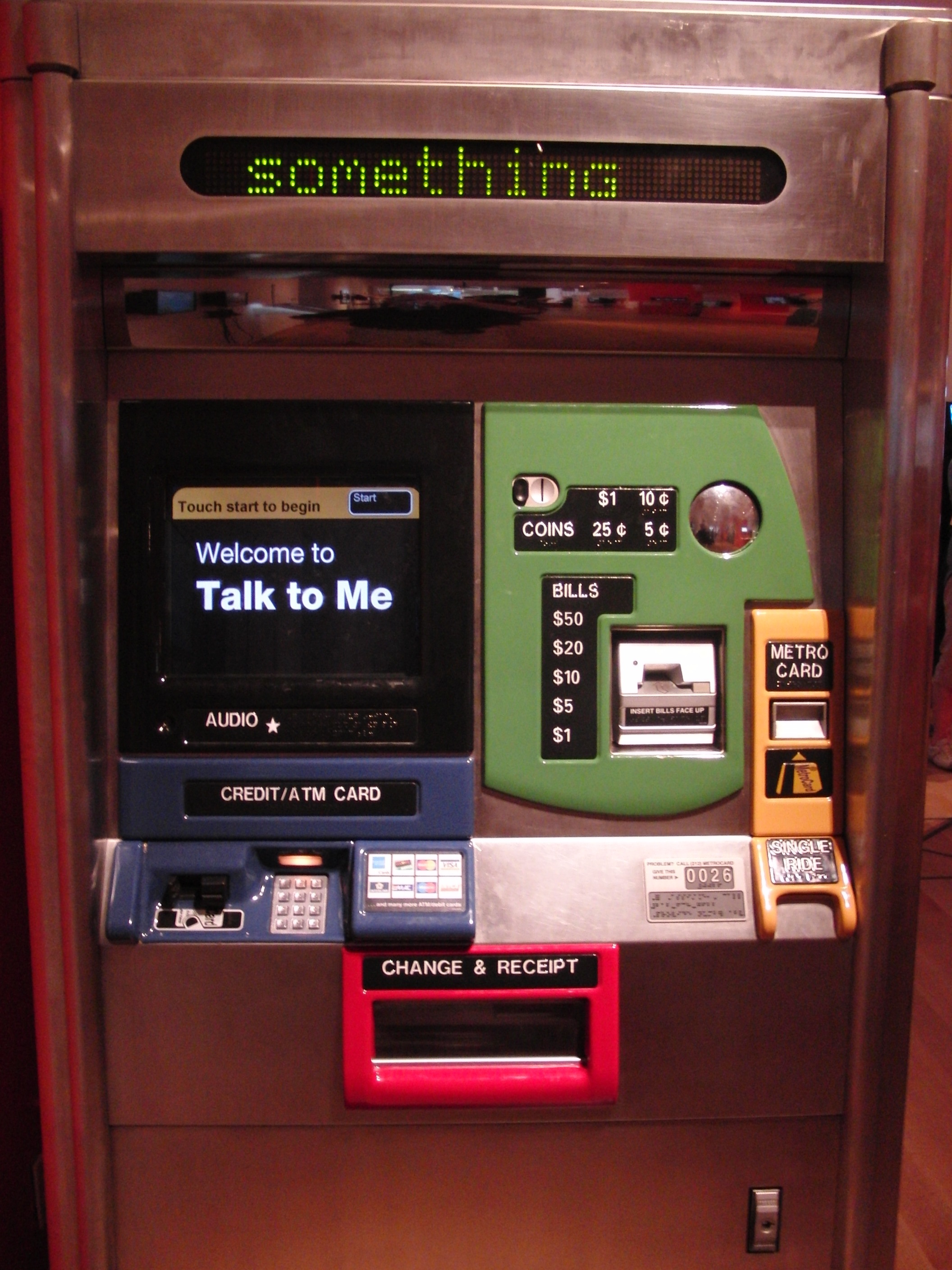
“MetroCard Vending Machine,” vending machine: steel and other materials; interface: Director, Photoshop, Illustrator, and Visual Basic software, 1999 (photo by twi-ny/mdr)
Divided into six sections — “Objects,” “I’m Talking to You,” “Life,” “City,” “Worlds,” and “Double Entendre” — “Talk to Me” features sociological projects that help the blind, the homeless, and the maimed, geographic grids that impact business and transportation, and three-dimensional charts and graphs that detail private and public information. There are also plenty of innovative works that are just plain fun. In “The Wilderness Downtown,” people plug in the name of their street or hometown, which soon becomes a visual part of Arcade Fire’s music video for the song “We Used to Wait.” Straphangers can buy a real MetroCard from a vending machine that has been slightly reconfigured for the show. Dishes and silverware morph with a heated argument excerpted from the Oscar-winning film American Beauty in Geoffey Mann’s “Cross-fire.” Chris Woebken and Natalie Jeremijenko use voice-recognition software for “Bat Billboard,” which broadcasts messages from bats who live behind it. A close look at Maarten Bass’s “Analog Digital Clock” reveals that it is not quite what it seems, combining people and time in a unique way. Marcos Weskamp’s “Newsmap” arranges news stories by how much coverage they receive in the media. Sissel Tolaas’s “Berlin, City Smell Research” uses the olfactory sense to create a different kind of map of Germany’s capital. Andy and Carolyn London give life to manhole covers, pay phones, and other objects to relay interviews with tourists in “The Lost Tribes of New York City.” And “N Building facade” turns the outside of a Tokyo building into an immense QR code that offers all types of information about the structure. In fact, every item in “Talk to Me” has its own QR code, so adventurous museumgoers can delve deeper into the works and interact with them further. “Talk to Me” is an engaging exhibition that takes an entertaining look at the shape of things to come. The show is now in its final week, with several special events still scheduled: Rob Walker will moderate the discussion “The Language of Objects,” with Kenneth Goldsmith, Ben Greenman Leanne Sharpton, and Cintra Wilson, on November 2 at 6:00 ($10), and gallery conversations will take place with Jennifer Gray on November 3 at 6:00, Marianne Egler on November 5 at 11:30 am, and Diana Bush on November 6 at 1:30, all free with museum admission.
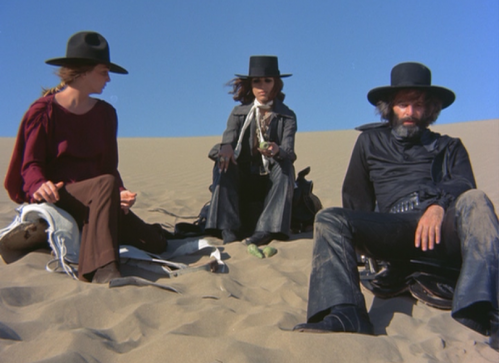
 Chilean-born Mexican filmmaker Alejandro Jodorowsky’s El Topo is a psychedelic head trip, an acid Western that will blow your mind. Jodorowsky stars as the title character, a gunslinger traveling through a deserted landscape accompanied by his naked young son, who already knows his way around a firearm. After coming upon a town that has been decimated by a nasty group of marauders working for the Colonel, El Topo seeks violent revenge, eventually taking off with a woman and leaving his boy behind as he meets four masters on his path to proving he is the best there is. But soon El Topo is praying for redemption with a community of inbred cripples trapped in a cave. El Topo is a wild and bizarre journey through religious imagery, romance, and vengeance, a surreal spaghetti Western strained through the mad mind of Jodorowsky, widely hailed as the creator of the midnight movie. The film melds Bergman with Leone, Tod Browning’s Freaks with Hiroshi Inagaki’s Samurai Trilogy, filtered through Kazuo Koike and Goseki Kojima’s Lone Wolf and Cub. It’s like nothing you’ve ever seen before and, despite your better instincts, will lure you into the cult of Jodorowsky. El Topo is screening on All Saints’ Day at Lincoln Center, introduced by Jodorowsky and followed by a conversation with outgoing Film Society program director Richard Peña; the night before, Jodorowsky will be at MoMA to introduce a screening of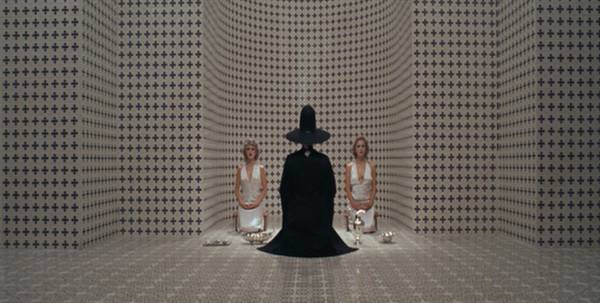
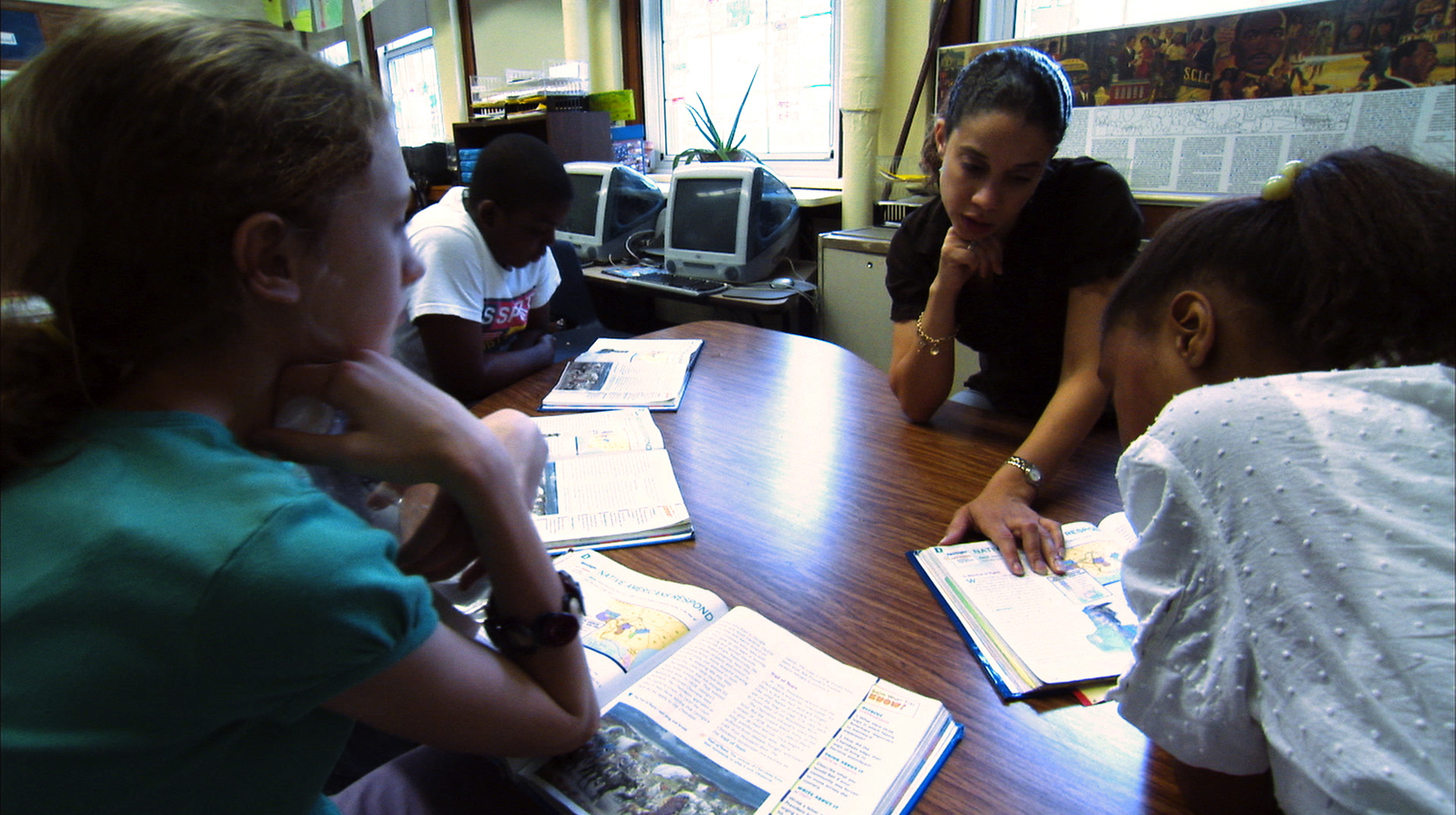
 “It’s the best job in the world, no comparison,” Jonathan Dearman says in American Teacher, Vanessa Roth’s eye-opening documentary about the sorry treatment of teachers in the United States today. Based on the book Teachers Have It Easy: The Big Sacrifices and Small Salaries of America’s Teachers (New Press, 2005) by Dave Eggers, Daniel Moulthrop, and Nínive Clements Calegari, the eighty-one-minute film looks at the surprising lack of status, salary, respect, and training afforded what is considered in other countries the most important profession by examining the cases of four current or former American teachers, dedicated men and women who are born educators but who have been deeply affected by a seriously flawed system. Texas history professor and sports coach Erik Benner sees his marriage fall apart as he works two jobs to help support his wife and two daughters. Brooklynite Jamie Fidler is following in her father’s footsteps as a teacher, but her pregnancy complicates her future in part by revealing the relatively poor health benefits. Maplewood’s Rhena Jasey is a Harvard grad with two masters degrees from Columbia who is considering leaving the kids she loves so much for a Washington Heights charter school that pays a far more substantial salary. And Dearman, a beloved San Francisco educator, turns to the family real estate business when teaching just can’t pay the bills. Part of the nonprofit Teacher Salary Project, American Teacher is at its best when it shows the teachers in the classroom and talking about what they love about their job, but when it focuses on the many negatives, it feels too much like a telethon, as if a crawl should be running across the bottom of the screen soliciting donations. The film includes numerous statistics involving turnover rates, the declining number of men in the industry, and, of course, various financial figures, dryly narrated by Matt Damon. In addition to following around the four protagonists, Roth speaks with students and their parents, superintendents, principals, professors, and other industry professionals who want to see the system changed. Interestingly, one word that never comes up is “union,” which is often at the center of any discussion about the state of education in America. Although it can pull too much at the heartstrings while stating the obvious, American Teacher is an important documentary that makes a strong case for the United States to fix this growing problem, and fast. The film is screening twice on October 30 as part of the Thalia Film Sundays series at Symphony Space, with Roth participating in a Q&A following the 6:15 show.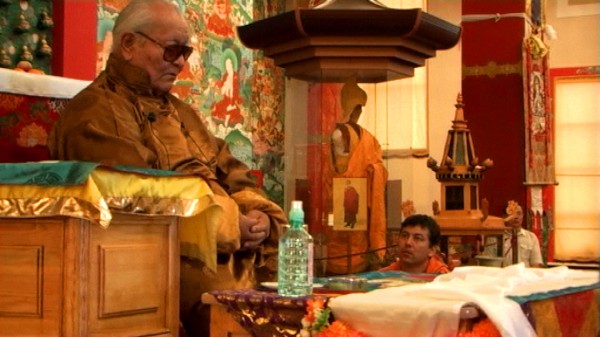
 More than twenty years in the making, Jennifer Fox’s My Reincarnation tells the fascinating story of a very unusual father-son relationship amid the modern world of tulkus, or reincarnated Tibetan lamas. World-renowned high Tibetan Buddhist Master Chögyal Namkhai Norbu travels around the world teaching meditation and Dzogchen practice. He meets with the Dalai Lama, advises students and fans, signs copies of his many books, and builds support for his beleaguered native land, Tibet. But his son, Yeshi Silvano Namkhai, who was born in 1970 in Italy (where Rinpoche Namkhai Norbu taught at university from 1964 to 1992), had no desire to follow in his father’s footsteps and instead went into the computer business, starting a family and rejecting nearly everything his father believes in — including that Yeshi might just be the reincarnation of his great-uncle, Khyentse Rinpoche Chökyi Wangchug, and so is destined for a life of service and tradition. “Everybody knows about me and nobody knows me at all,” Yeshi says about trying to establish his own identity. Father and son and the rest of the family allowed Fox remarkable access, holding nothing back as they talk about their lives and each other; Yeshi is particularly vocal about his father’s treatment of him over the years. But soon Yeshi has a change of heart, and the documentary takes an unexpected turn. Fox, who has previously made such films as Beirut: The Last Home Movie, Flying: Confessions of a Free Woman, and An American Love Story, shot more than one thousand hours of footage, which she edited down to a tight seventy-five-minutes, including archival and newsreel footage as well. As much as it is about a father and a son, My Reincarnation is also about the old vs. the new, tradition vs. modernization, private love vs. public responsibility, the spiritual vs. the technological, and, above all, familial legacy. My Reincarnation opens at Cinema Village on October 28; Fox and Yeshi will participate in several Q&As and/or introductions on October 28 and 29, with Fox also taking part in Q&As following the 7:00 screenings on November 2 and 3.