Myriad forms of dance are celebrated at annual parade (photo by twi-ny/mdr)
Parade: Broadway & 21st St. to Tompkins Square Park, 1:00
DanceFest: Tompkins Square Park, 3:00 – 7:00
Saturday, May 19, free
www.danceparade.org
dance parade 2011 slideshow
The sixth annual New York Dance Parade gets its groove on this Saturday, when some six thousand dancers will perform sixty different movement styles beginning at 1:00 at Broadway and 21st St. and continuing down to Tompkins Square Park, where DanceFest takes over from 3:00 to 7:00, with live performances, workshops, demonstrations, information booths, special presentations, and other activities, followed by an after-party at Webster Hall. This year’s grand marshals are former ABT prima ballerina Ashley Tuttle, innovative choreographer Elisa Monte, “disability-based utilitarianism” mastermind Bill Shannon, and DJ and music producer Jonathan “JP” Peters. The parade started as a response to New York’s antiquated Cabaret Law, which in 1926 held that dance was not a form of artistic expression and was not protected by the Second Amendment. The event’s mission is “to promote dance as an expressive and unifying art form by showcasing all forms of dance, educating the general public about the opportunities to experience dance, and celebrating diversity of dance in New York City.” Among this year’s participants are Argentine Tango Dancers of Greater New York City, Bellydance America’s Bellydance Raks Stars, Body & Pole/Pole Riders, Brasileirando, Broadway Bodies, Carmen Caceres & Unsteady Collective, Cheer New York, Cumbe: Center for African and Diaspora Dance, Dance New Amsterdam, Dhoonya Dance, El Teatro Rodante Hispanico, Elea Gorana Dance, Hoboken Hip Hop, Inner Spirit Dance Company, Korean Traditional Music and Dance Institute, Liberated Movement, Lori Belilove and the Isadora Duncan Dance Company, Metropolidance, Mortal Beasts & Deities, NY Hustle Flash Mob, Smoothskate Entertainment, Sophisticated Veil Dancers, SwiShwiSh Dance, Warriors, Xquisite Cadavers, Zouk Nation, and many more.

 Writer-director Panos Cosmatos’s debut feature is a creepy homage to those rainy Saturday afternoon low-budget horror movies of the 1970s. Paying tribute to such films as John Carpenter’s Dark Star, Don Coscarelli’s Phantasm, Richard Fleischer’s Soylent Green, Dario Argento’s Suspiria, and even Stanley Kubrick’s 2001: A Space Odyssey, Cosmatos has created a mysterious psychological thriller set in a futuristic past, going from 1983 to 1966, with cinematographer Norm Li alternating between black-and-white scenes to a world bathed in a lurid red, ruled by a cosmic white pyramid. Michael Rogers, sporting the best hairstyle this side of Javier Bardem in No Country for Old Men, stars as Barry Nyle, a psychiatrist whose only patient, kept trapped in a padded cell, is Elena (Eva Allan), a frightened young woman trying to regain control of her life — something that Nyle is not about to allow. Beyond the Black Rainbow is a head trip of a flick, a midnight movie with a thumping electronic score by Sinoia Caves, wonderfully cheesy production design by Bob Bottieri, and some classically inexplicable moments filled with strange close-ups, blurry visions, and appropriately substandard acting. Just listening to Nyle breathe deep and heavy is a hoot. We have no idea what the movie is about, but that didn’t detract from our enjoyment of it; in fact, it might have helped.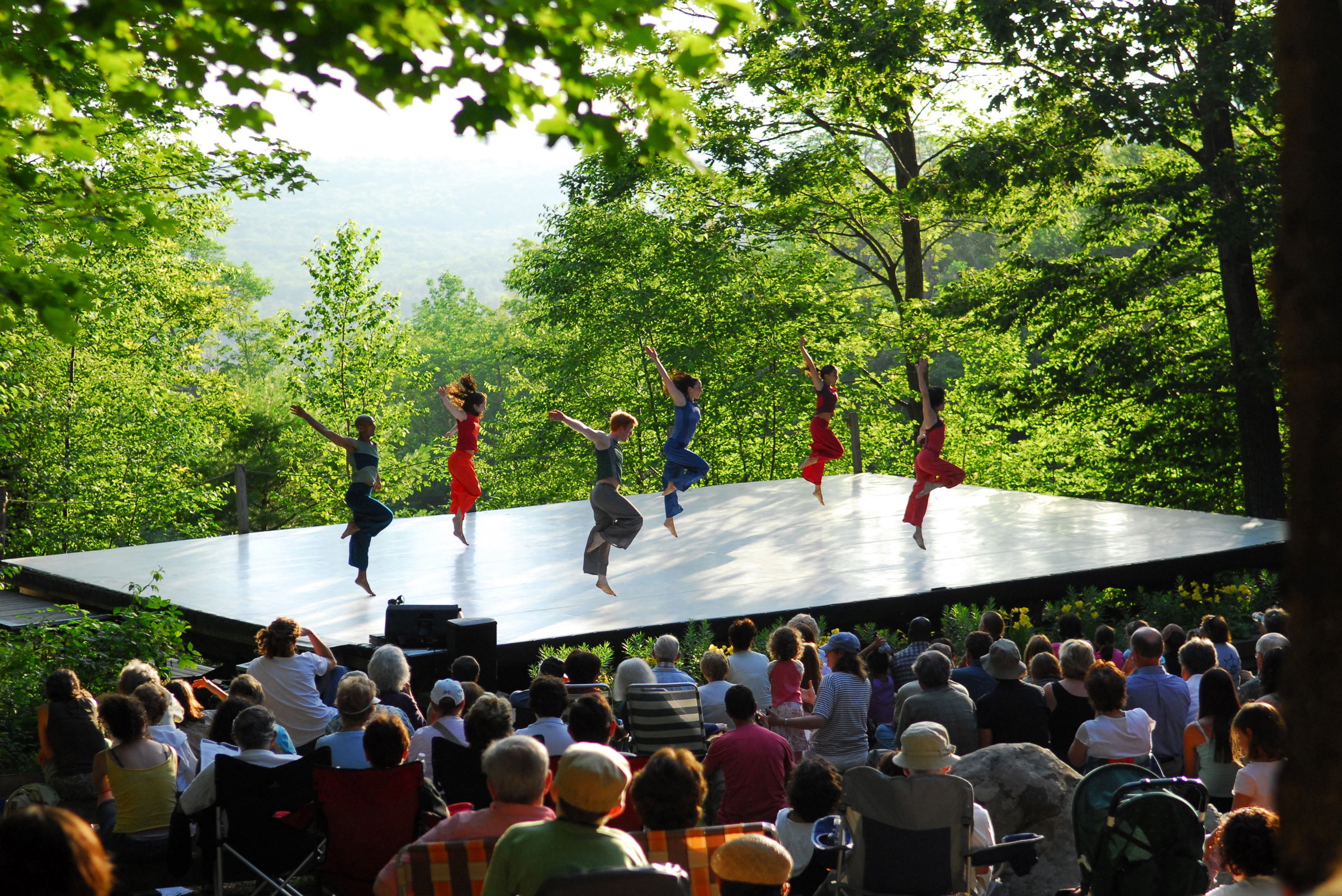
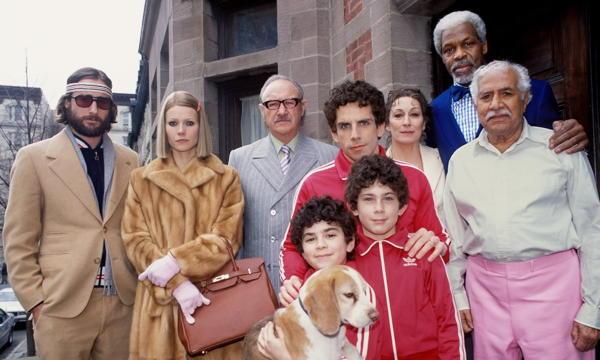
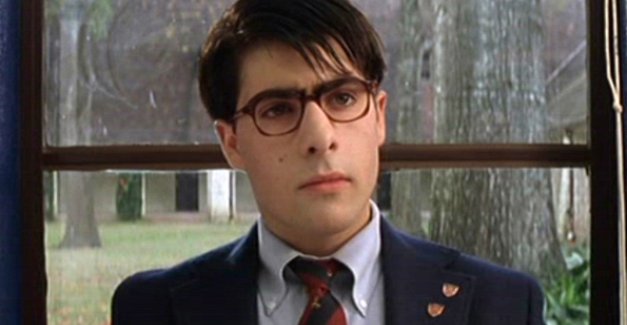
 In his hysterical 2001 black comedy The Royal Tenenbaums, eclectic indie auteur Wes Anderson (The Darjeeling Limited, Fantastic Mr. Fox) created one of the kings of dysfunctional film families. Directly inspired by J. D. Salinger’s Glass clan (Franny and Zooey, Raise High the Roof Beam), the Tenenbaums of New York City have more than their fair share of distress. After being kicked out of the house for being a lousy father and husband, Royal (Gene Hackman) returns, claiming he is dying of stomach cancer. His wife, noted archaeologist Etheline (Anjelica Huston), is now seeing her accountant, the straitlaced Henry Sherman (Danny Glover). Finance wiz Chas (Ben Stiller) is having difficulty getting over his wife’s death in a plane crash, becoming absurdly overprotective of his two young sons’ (Grant Rosenmeyer and Jonah Meyerson) safety. Tennis prodigy Richie (Luke Wilson) is recovering from a very public breakdown and soon has to admit to himself that he is madly in love with his adopted playwright sister, Margot (Gwyneth Paltrow), who is married to strange neurologist Raleigh St. Clair (Bill Murray) and having an affair with longtime family friend and Western novelist Eli Cash (cowriter Owen Wilson). Narrated by Alec Baldwin, The Royal Tenenbaums completed an impressive opening hat trick from Anderson, who had previously made Bottle Rocket (1996) and Rushmore (1998). The marvelously funny flick is screening May 19 & 20 as part of the Museum of the Moving Image series “Wes Anderson’s Worlds,” which is being held in conjunction with the opening of Anderson’s latest, Moonrise Kingdom. The festival begins May 18 with Rushmore and continues through May 27 with screenings of all of his feature-length films, each of which will include a video introduction from Anderson.