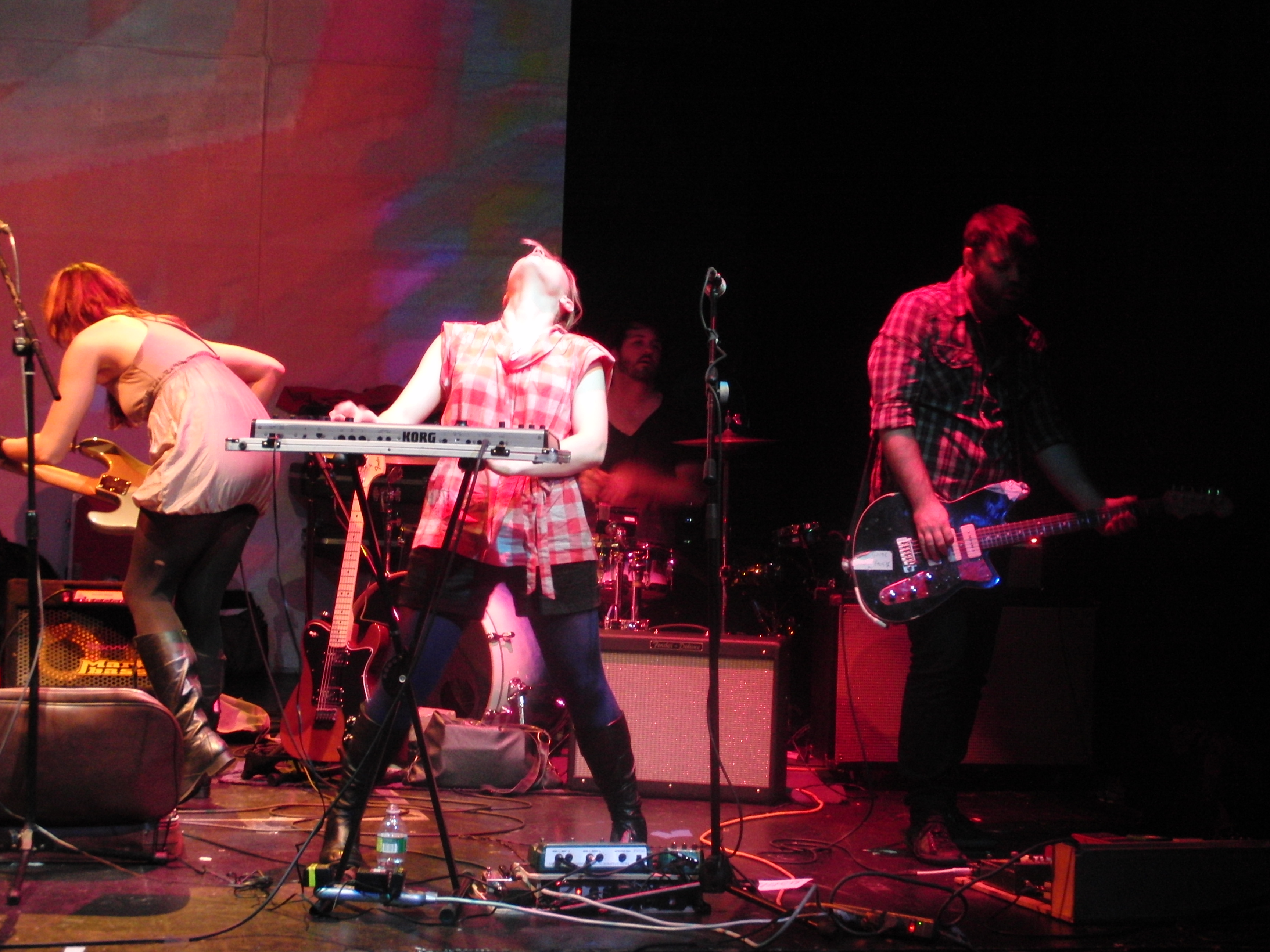
Today the Moon, Tomorrow the Sun will be part of inaugural New Music Seminar, playing Pianos on Monday night (photo by twi-ny/mdr)
Webster Hall (and other venues)
125 East 11th St.
June 17-20, registration $399 (students $249)
Individual concerts: free – $45 (most $20 and under)
212-353-1600
newmusicseminar.com
The inaugural New Music Seminar is dedicated to supporting all kinds of music based on talent and merit alone, “without regard to its financial resources or connections.” As its name implies, it’s a mix of live performances from up-and-coming bands in addition to workshops, lectures, panel discussions, and seminars. Taking place June 17-20 at Webster Hall and other venues, NMS ’12 gets under way Sunday afternoon with a pair of Songwriters Hall of Fame presentations, followed by an opening-night party with the Fiery Sensations, Samantha Slithers, Evan Shinners, the Pierces, Hoodie Allen, and others, along with DJ sets by Andy Rourke of the Smiths. Things get going early Monday morning with opening remarks by Tom Silverman of Tommy Boy Records and Michael J. Huppe of SoundExchange, followed by the keynote address delivered by Bob Pittman of Clear Channel and Sean Parker of Founders Fund. Over the next several days, Peter Asher will conduct “BMI Presents the Songwriters Movement,” with demonstrations by Desmond Child, Ammar Malik, Billy Mann, and Sandy Vee; Yancey Strickler will host “Kickstarter: Amanda Palmer’s Kickstarter Million and What We Can Learn from It”; various radio program directors and brand managers will team up for “The Gods of Radio: Going Beyond Simulcasting”; and ReverbNation’s Jed Carlson will address the question “How Do You Start a Buzz?” There will also be a Meet the Authors event on Tuesday featuring the writers of a dozen books about the music business. In addition to the special programs at Webster Hall, which require registration of $249 to $399, there are dozens of individually ticketed and/or free concerts, including Alice Smith at City Winery, Ziggy Marley and Bajah + the Dry Eye Crew at Irving Plaza, the Mingus Big Band and Terence Blanchard at the Jazz Standard, Rosie Flores, Mare Winningham, and Garland Jeffreys at the Living Room, Electric Sun at Cameo, Travis Porter at S.O.B.’s, the Great Apes at Cake Shop, NinjaSonik and the Dirty Pearls at Santos Party House, and Today the Moon, Tomorrow the Sun at Pianos.
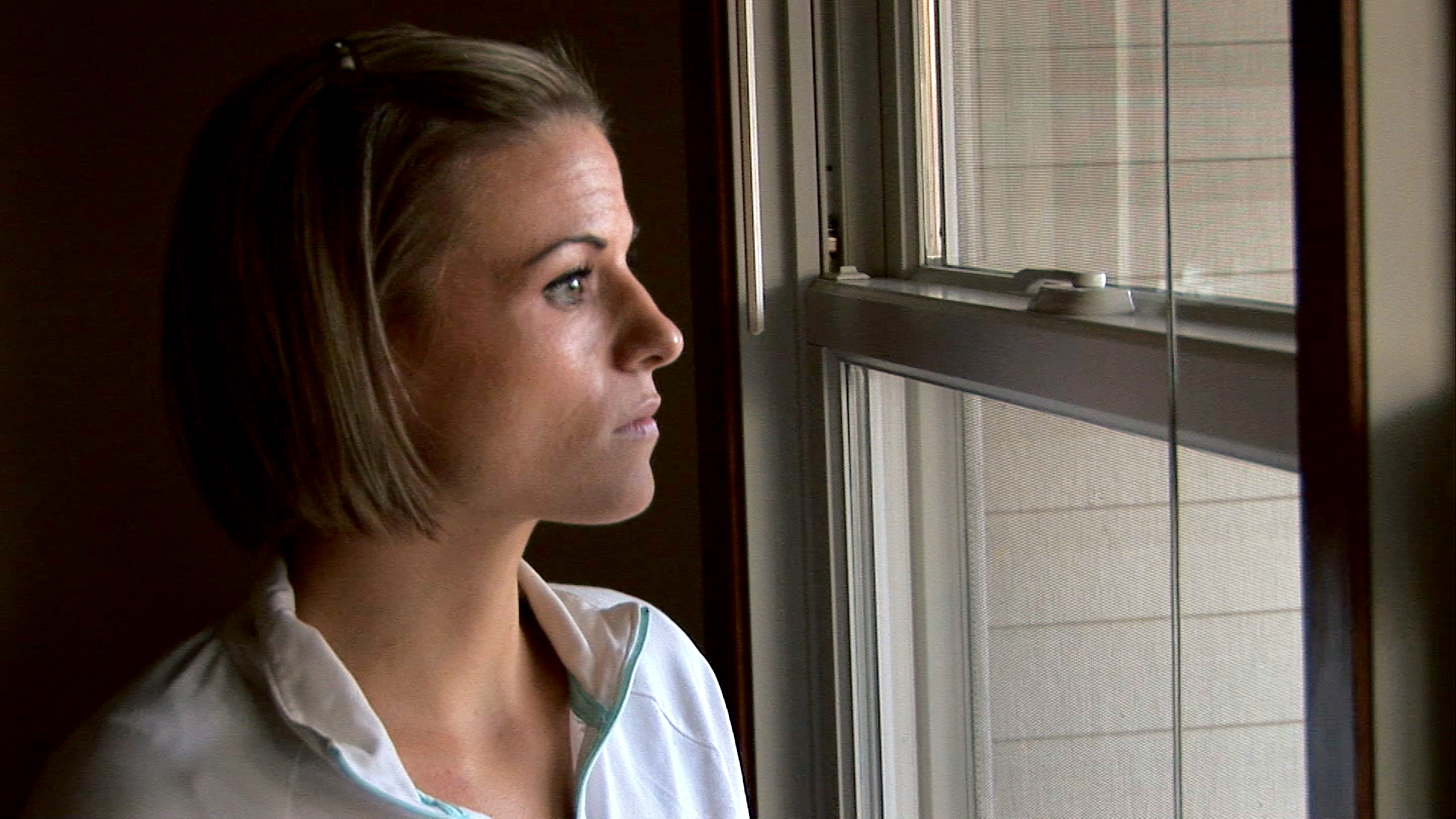
 Kirby Dick’s The Invisible War is one of the bravest, most explosive investigative documentaries you’re ever likely to see. Dick (This Film Is Not Yet Rated) busts open the military’s dirty little secret, revealing that episodes of horrific sexual abuse such as the Tailhook scandal are not an aberration but a prime example of a rape epidemic that seems to an accepted part of military culture. Dick speaks with many women and one man who share their incredible stories, describing in often graphic detail the sexual abuse they suffered, then faced further abuse when they reported what had happened. Their superiors, some of whom were the rapists themselves, either looked the other way, laughed off their allegations as no big deal, or threatened the victims’ careers. Dick includes remarkable Defense Department statistics — the government admits that approximately one out of every five female soldiers suffers sexual abuse and that there were nineteen thousand violent sex crimes in 2010 alone — even as such military officials as Dr. Kaye Whitley, Rear Admiral Anthony Kurta, and Brigadier General Mary Kay Hertog make absurd claims that they are satisfied with the way they are handling the alarming trend. The central figure in the film is Kori Cioca, a former member of the Coast Guard whose face was broken when she was raped by a superior and now keeps getting denied necessary medical services from the VA. Such courageous women as USAF Airman 1st Class Jessica Hinves, former Marine Officer Ariana Klay, USN veteran Trina McDonald, USMC Lieutenant Elle Helmer, USN Lieutenant Paula Coughlin, and even Special Agent Myla Haider of the Army Criminal Investigation Command also open up about the physical and psychological damage the abuse has left on their lives and careers.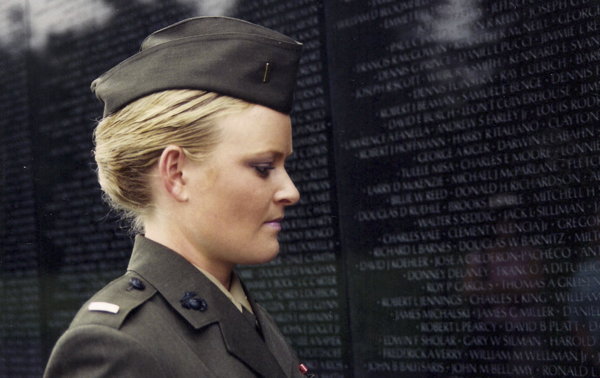
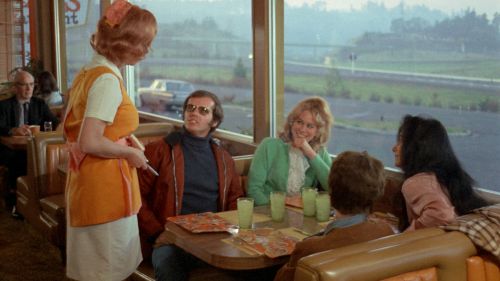
 A key film that helped lead 1960s cinema into the grittier 1970s, Bob Rafelson’s Five Easy Pieces is one of the most American of dramas, a tale of ennui and unrest among the rich and the poor, a road movie that travels from trailer parks to fashionable country estates. Caught in between is Bobby Dupea (Jack Nicholson), a former piano prodigy now working on an oil rig and living with a well-meaning but not very bright waitress, Rayette (Karen Black). When Bobby finds out that his father is ill, he reluctantly returns to the family home, the prodigal son who had left all that behind, escaping to a less-complicated though unsatisfying life putting his fingers in a bowling ball rather than tickling the keys of a grand piano. Back in his old house, he has to deal with his brother, Carl (Ralph Waite), a onetime violinist who can no longer play because of an injured neck and who serves as the film’s comic relief; Carl’s wife, Catherine (Susan Anspach), a snooty woman Bobby has always been attracted to; and Bobby’s sister, Partita (Lois Smith), a lonely, troubled soul who has the hots for Spicer (John Ryan), the live-in nurse who takes care of their wheelchair-bound father (William Challee). Rafelson had previously directed the psychedelic movie Head (he cocreated the Monkees band and TV show) and would go on to make such films as The King of Marvin Gardens, Stay Hungry, and Black Widow; written by Carole Eastman, Five Easy Pieces fits flawlessly in between them, a deeply philosophical work that captures the myriad changes the country was experiencing as the Woodstock Generation was forced to start growing up. The film suffers from some unsteady editing primarily in the earlier scenes, but it is still a gem, featuring at least two unforgettable scenes, one that takes place in a California highway traffic jam and the other in a diner, where Bobby places an order for the ages. And as good as Nicholson is, earning the first of seven Best Actor Oscar nominations, Helena Kallianiotes nearly steals the picture as a crazy woman railing against the ills of the world from the backseat of Bobby’s car. Five Easy Pieces will be screening June 16 and 24 as part of the Anthology Film Archives ongoing series From the Pen of . . ., paying tribute to such lesser-known but seminal screenwriters as Eastman, Jacob Brackman, Lewis John Carlino, Alan Sharp, and Norman Wexler and including such other films as The King of Marvin Gardens, Seconds, The Last Run, and Joe.