Charlie Parker Jazz Festival honors legendary Bird with Strings sessions
Friday, August 24, Marcus Garvey Park, free, 7:00 – 9:00
Saturday, August 25, Marcus Garvey Park, free, 3:00 – 7:00
Sunday, August 26, Tompkins Square Park, free, 3:00 – 7:00
www.cityparksfoundation.org
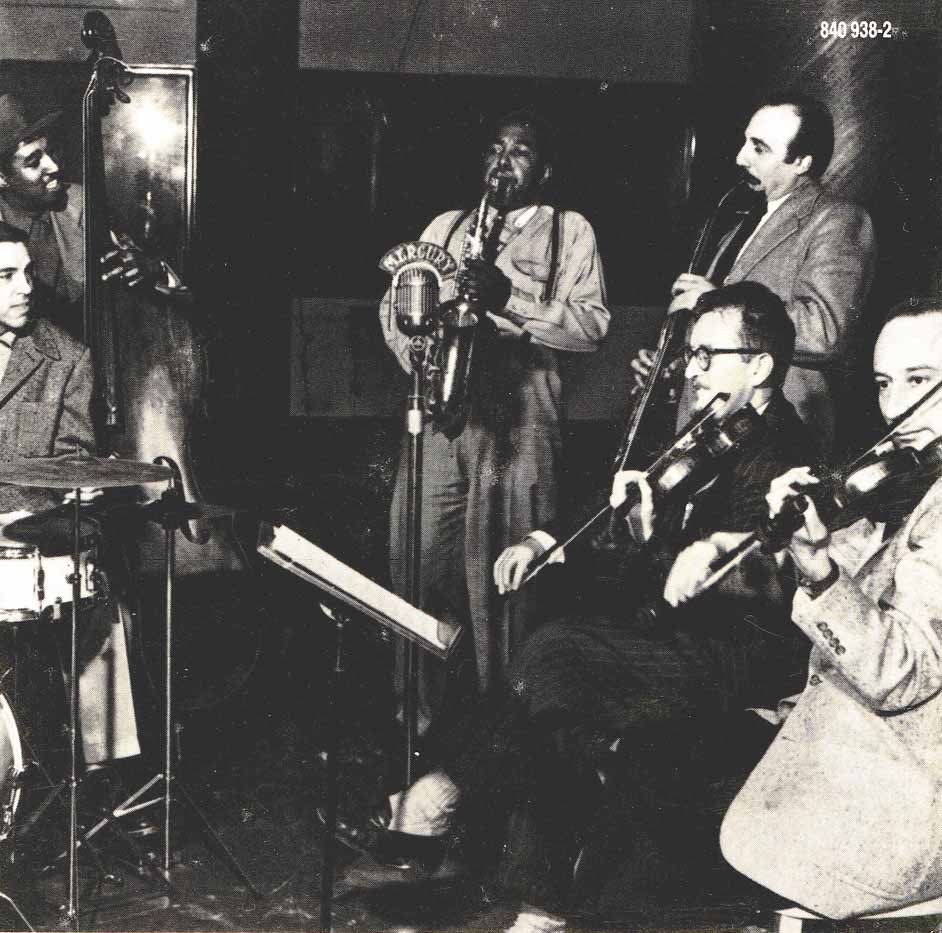
Always one of the highlights of the summer, the Charlie Parker Jazz Festival also comes near the end of the season, signaling that Labor Day is not far off. For its twentieth anniversary, the festival, which honors the legendary saxman who was born in Kansas City and made a name for himself here in New York City, has put together several exciting free programs taking place this weekend. On Friday night in Marcus Garvey Park, Bird with Strings teams the Revive Music Group with Miguel Atwood-Ferguson for specially commissioned compositions that reimagine Bird’s 1949 and 1950 sessions that featured a classical string section. The evening will begin with a spoken-word performance of “On the Wings of Yardbird” by Daniel Carlton, set to such Bird classics as “Ornithology.” On Saturday from 3:00 to 7:00 also in Marcus Garvey Park, poets Edwin Torres and LaTasha N. Nevada Diggs will honor Parker’s legacy, followed by musical performances by Jamire Williams and ERIMAJ, Derrick Hodge, Rene Marie’s Experiment in Truth, and the amazing Roy Haynes. On Sunday, the festivities move downtown to Tompkins Square Park, with spoken-word artists Jon Sands, Sheila Maldonado, and Nikhil Melnechuk and live performances by Gregory Porter, Patience Higgins’s Sugar Hill Quartet, Andy Milne & Dapp Theory, and Sullivan Fortner.

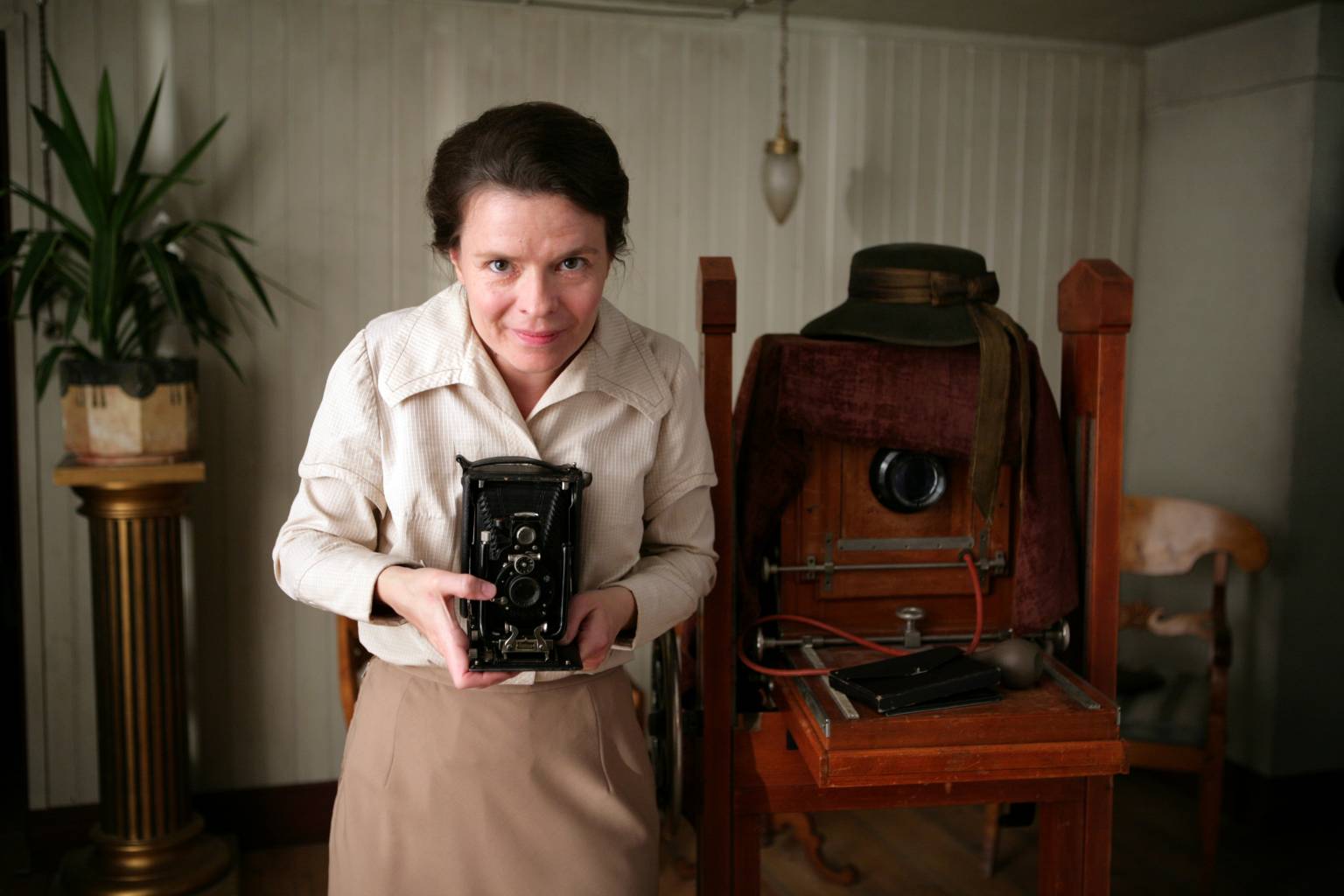
 Inspired by a book written by his wife, Agneta Ulfsäter-Troell, based on part of her family history, Jan Troell’s Everlasting Moments captures a pivotal time of change in Sweden. In a small town in 1907, Maria Larsson (Maria Heiskanen) is struggling to keep her growing family together as her brutish oaf of a husband, Sigge (Mikael Persbrandt), regularly comes home drunk, cheats on her, and goes on strike with the rest of the local dockworkers. Maria scrubs floors and sews for extra money, but she dreams of her own independence and freedom. When she enters Mr. Pedersen’s (Jesper Christensen) photography studio one day, she has every intention of selling a camera that she had won in a lottery years before. But Pedersen instead convinces her to try out the camera first, and she is soon documenting the world around her. As Sigge becomes more and more ornery — and more and more dangerous, threatening the future of the family — Maria has discovered a whole new way of looking at things, both literally and figuratively, but still needs to find the inner strength to improve her lot. Seen through the eyes of eldest daughter Maja (first played by Nellie Almgren, then by Callin Öhrvall), Everlasting Moments is a beautiful, bittersweet personal tale told by one of Sweden’s greatest filmmakers. In his late seventies at the time, director Troell (The Emigrants, Hamsun) also cowrote the script with his wife and Niklas Rådström and served as cinematographer with Mischa Gavrjusjov; the film was nominated for a Golden Globe and won five Guldbagge (Golden Beetle) Awards from the Swedish Film Institute, including Best Film, Best Actor, Best Actress, Best Supporting Actor, and Special Achievement (composer Matti Bye). Everlasting Moments is screening August 24 at 9:30 as part of the Rubin Museum series “Women and Their Cameras,” in conjunction with the exhibition “Candid,” and will be introduced by photographer Victoria Sambunaris. Admission to the Rubin is free on Friday nights, so you should also check out such other exhibitions as “Illuminated,” “Modernist Art from India,” and the outstanding “Casting the Divine.” The series concludes August 31 with Philip Kaufman’s The Unbearable Lightness of Being, introduced by Sophie Elgort.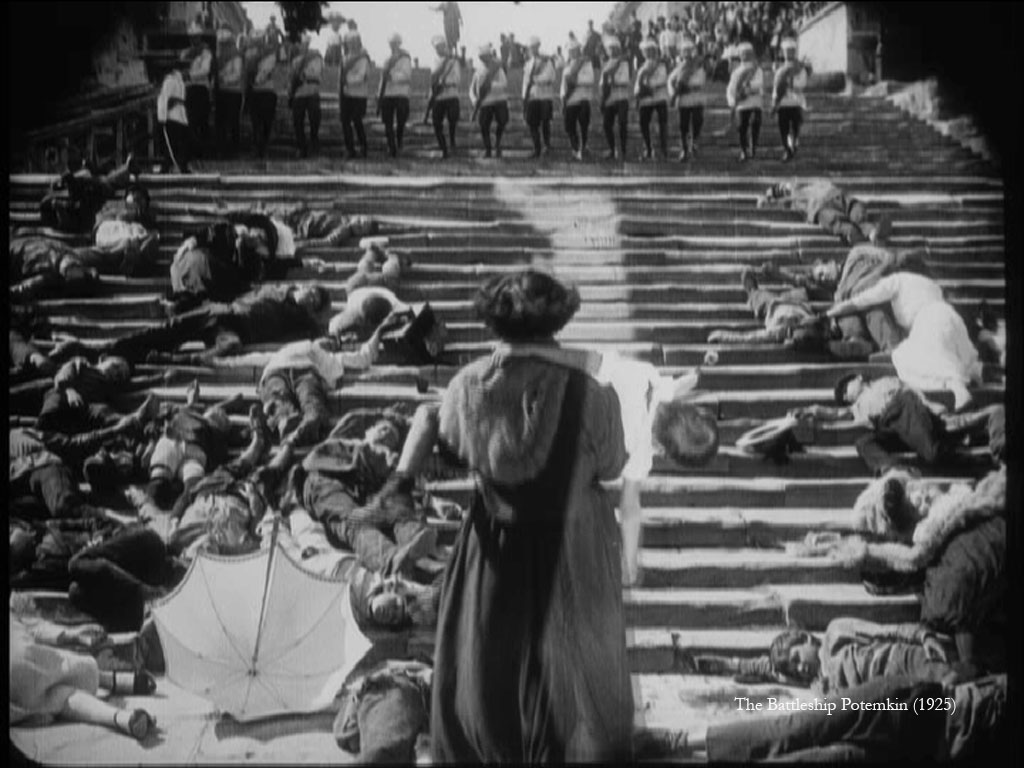
 Sergei M. Eisenstein’s Battleship Potemkin might be a seminal silent classic that changed the nature of filmmaking, but it is also still a vastly entertaining movie regardless of its cinematic influence and worldwide importance. Divided into five episodes — Men and Maggots, Drama at the Harbour, A Dead Man Calls for Justice, The Odessa Staircase, and The Rendez-vous with a Squadron — the film tells the based-on-fact story of a mutiny on board a sailing vessel, the result of unfair treatment of the workers, a microcosm of the Russian Revolution of 1905 that later led to the bigger revolution of 1917. The film is like an editing primer, its approach to montage causing its own revolution at the time, particularly during the unforgettable Odessa Steps sequence, in which Eisenstein’s cuts manipulate the action in powerful, emotional ways that were new to cinema. The film also features the best mustaches in the history of movies. Battleship Potemkin is screening on August 23 at 7:30 as part of Anthology Film Archives’ Essential Cinema series, which will also be showing such other Eisenstein films as Strike on August 24, October and Old and New on August 25, and both parts of Ivan the Terrible on August 26.