Diplomat (Ralph Fiennes) refuses to leave well enough alone in THE CONSTANT GARDENER
THE CONSTANT GARDENER (Fernando Meirelles, 2005)
BAMcinématek, BAM Rose Cinemas
30 Lafayette Ave. between Ashland Pl. & St. Felix St.
Thursday, September 27, 4:30, 7:00, 9:30
Series runs September 27 – October 3
212-415-5500
www.bam.org
www.focusfeatures.com
 Fernando Meirelles knows how to make movies. His previous film, the remarkable City of God (2002), was deservedly nominated for an Oscar for Best Foreign Language Film, and he earned a nod for Best Director as well, sending him off to Hollywood for his first English-language effort. The result is this exciting tale of a low-level British diplomat who becomes obsessed with investigating his radical wife’s murder. As he uncovers more and more information, he learns surprising things about his wife — and the British government. Based on John Le Carré’s novel, The Constant Gardener opens with the murder of Tessa Quayle (Rachel Weisz); her husband, Justin (Ralph Fiennes), is a diplomat stationed in Kenya who prefers not to ruffle any feathers. As he is told what might have happened to her, he continues watering his plants, tending to his garden. Tessa’s death is ruled a crime of passion, allegedly committed by a peace worker, Dr. Arnold Bluhm (Hubert Koundé), but Justin believes there’s more to it. He soon finds himself in the middle of a complex conspiracy that puts him in the cross hairs of some very powerful — and dangerous — people. Meirelles alternates between the past and the present, using flashbacks to reveal Justin and Tessa’s complicated, often mysterious relationship. By focusing on the characters instead of the conspiracy, Meirelles has crafted an exciting spy thriller with a heart. Nominated for four Oscars, The Constant Gardener is screening at BAM on September 27, kicking off the BAMcinématek series “John le Carré,” comprising suspense films based on the espionage novels of onetime MI5/MI6 officer David Cornwell and also including Tomas Alfreson’s Tinker Tailor Soldier Spy, Frank Pierson’s The Looking Glass War, Sidney Lumet’s The Deadly Affair, John Boorman’s The Tailor of Panama, Martin Ritt’s The Spy Who Came in from the Cold, and George Roy Hill’s The Little Drummer Girl.

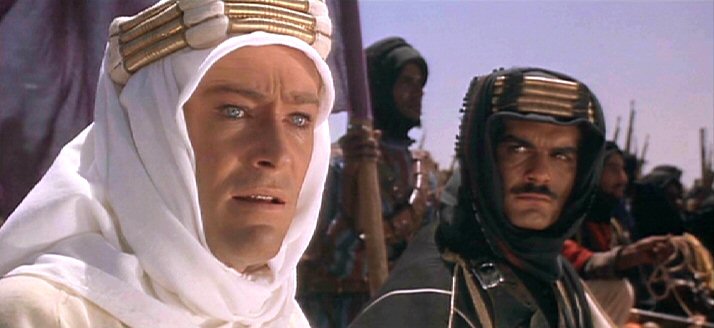
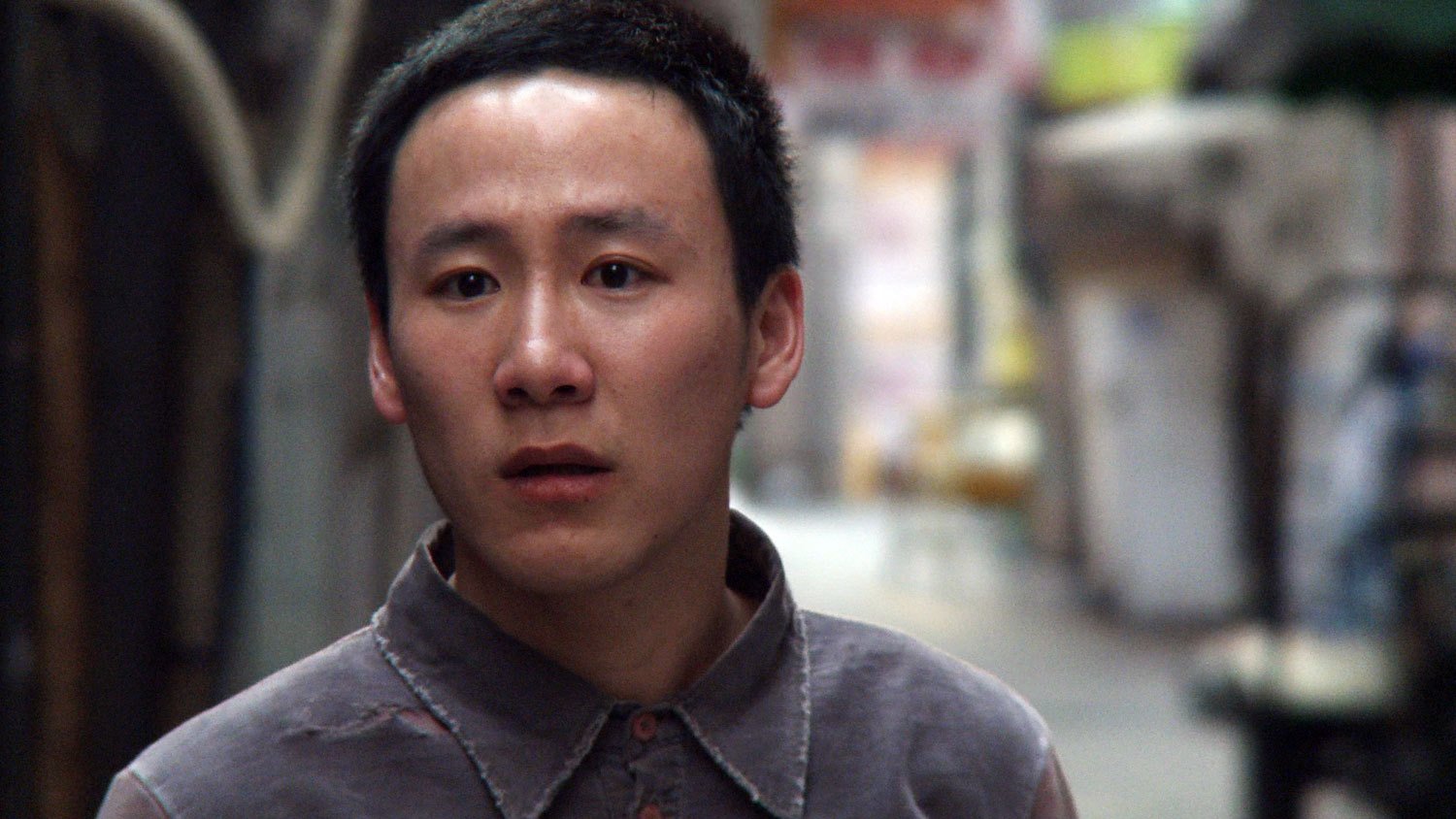
 Queer filmmaker Kim Kyung-mook, a film festival favorite, follows up his controversial 2005 feature debut, the three-part Faceless Things, which centers on an explicit gay sexual tryst, and his 2008 work, A Cheonggyecheon Dog, about sex changes and a talking dog, with another unconventional narrative. In Stateless Things, Kim examines the difficult life of social minorities in modern-day Korea. In the first section, filmed primarily with a handheld camera, North Korean defector Joon (Lee Paul) works at a gas station with Soonhee (Kim Sae-byuk), an ethnic Korean who has just gotten out of China. The two shy, quiet people work for a manager (Kim Jeong-seok) who sexually abuses Soonhee and mistreats Joon until they can take no more, fighting back and heading out on the run. In the second section, Yeom Hyun-joon plays Hyun, a beautiful young man being kept by successful businessman Sunghoon (Lim Hyung-kook), his jealous, closeted sugar daddy. The two make love in a stunning apartment with spectacular views of Seoul, but they are trapped in their own little world, filled with fear and obsession. Save for one quick scene in a bathroom stall — an extremely graphic scene, reminiscent of Carlos Reygadas’s Battle in Heaven, that will ensure the film is unrated — it is hard to connect the two parts until after the title credit is emblazoned on the screen and the shorter third section attempts to bring everything together in poetic, abstract, and surreal ways. Like its predecessors, Stateless Things is aimed at more adventurous moviegoers who don’t need films tied up in a little bow at the end but instead enjoy being challenged by what they are shown. And there is a lot of challenge in Stateless Things, not all of which works. Stateless Things is screening on September 28 at 8:00 as part of MoMA’s third annual “Yeonghwa: Korean Film Today” series, a collaboration with the