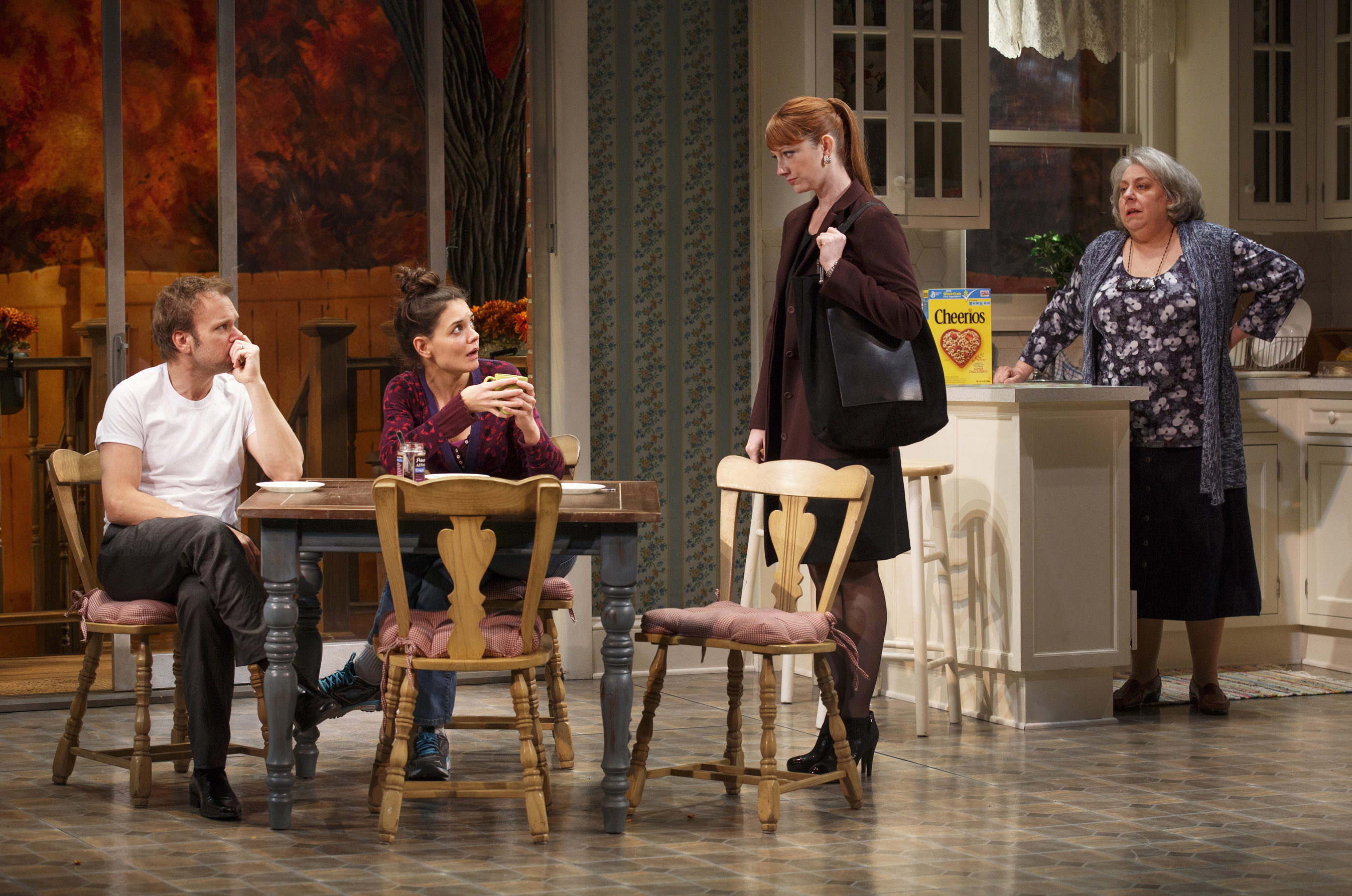
Playwright Theresa Rebeck ultimately bites off more than she can chew in DEAD ACCOUNTS (photo by Joan Marcus)
DEAD ACCOUNTS
Music Box Theatre
239 West 45th St. between Broadway & Eighth Aves.
Through September 2, $67 – $147
www.deadaccountsonbroadway.com
Ohio-born playwright Theresa Rebeck follows up her Broadway comedy Seminar and television series Smash with the slight, sitcomy Dead Accounts. The dysfunctional family tale is set in a kitchen in a house in Cincinnati, where prodigal son Jack (Tony winner Norbert Leo Butz) has suddenly and unexpectedly arrived from New York City, bringing with him numerous pints of Graeter’s ice cream. The charged-up Jack tells his younger sister, the cute Lorna (Katie Holmes), all about how he convinced the guy at the ice-cream shop to let him in, even though it was closed, and sell him a bunch of pints by paying him a thousand dollars. Lorna, who has sacrificed her social life in order to take care of her mother, Barbara (Jayne Houdyshell), and ailing, unseen father, is shocked by Jack’s disregard for the law (yeah, we didn’t get that one either), but she’s about to find out that Jack has done a lot worse and is on the run from both his job and his wife, Jenny (Judy Greer), whom he jokes about having killed. Meanwhile, Jack tries to reconnect to his hometown by hanging out with his childhood friend Phil (Josh Hamilton), who has had a longtime crush on Lorna, and devouring cheese Coneys. (The play features a whole lot of eating and drinking.) As various truths slowly emerge about Jack, things threaten to get even crazier in this small-town madhouse.
Butz gives a bravura performance as the manic-depressive Jack, who seems to live in a different reality from everyone else, but the play is weighed down by Rebeck’s inability to find its center; she sets the story in a kitchen, and she has essentially thrown in everything but the kitchen sink as she takes on religion, politics, Wall Street, environmentalism, love, aging, loneliness, drug addiction, and other topics in a swift two hours (with intermission). Holmes (All My Sons) is good as the shy Lorna, delivering a rousing soliloquy on the state of the nation that earns a well-deserved round of applause, and two-time Tony nominee Houdyshell (Follies, Well) is a joy to watch as always, but Greer, in her Broadway debut, speaks too softly, and Hamilton (The Coast of Utopia) isn’t given much to do with Phil, who seems to have stepped out of a middling sitcom. And continuing the play’s eating theme, the proceedings are dragged down by Rebeck repeatedly biting the hand that feeds her, tearing into big-city New York in favor of small-town Ohio in a mean-spirited way that falls outside the central story and seems to come with a gigantic chip on her shoulder. Fluidly directed by three-time Tony winner Jack O’Brien (The Coast of Utopia, Hairspray), Dead Accounts does have its share of tasty little morsels, especially in the person of Norbert Leo Butz, but it veers off in too many directions as it reaches its curious climax.
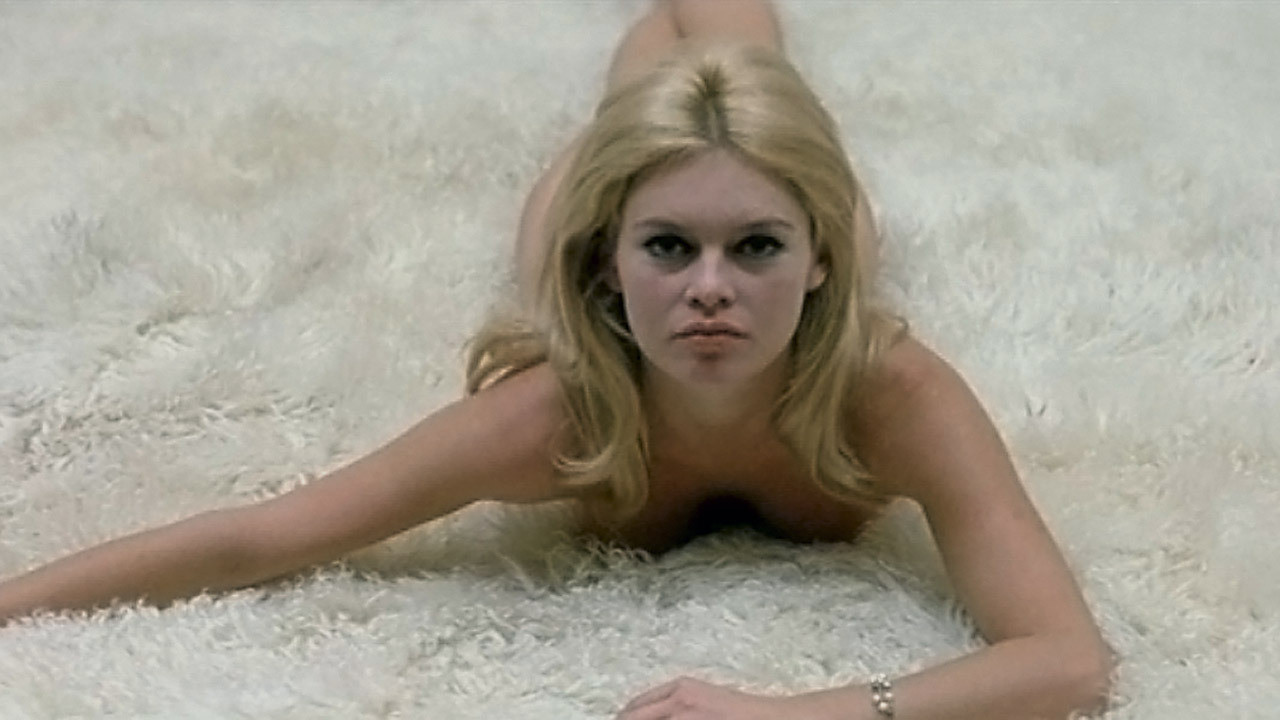
 French auteur Jean-Luc Godard doesn’t hold back any of his contempt for Hollywood cinema in his multilayered masterpiece Contempt. Loosely based on Alberto Moravia’s Il Disprezzo, Contempt stars Michel Piccoli as Paul Javal, a French screenwriter called to Rome’s famed Cinecittà studios by American producer Jeremy Prokosch (Jack Palance ) to perform rewrites on Austrian director Fritz Lang’s (played by Lang himself) adaptation of The Odyssey by ancient Greek writer Homer. Paul brings along his young wife, the beautiful Camille (Brigitte Bardot), whom Prokosch takes an immediate liking to. With so many languages being spoken, Prokosch’s assistant, Francesca Vanini (Giorgia Moll), serves as translator, but getting the various characters to communicate with one another and say precisely what is on their mind grows more and more difficult as the story continues and Camille and Paul’s love starts to crumble. Contempt is a spectacularly made film, bathed in deep red, white, and blue, as Godard and cinematographer Raoul Coutard poke fun at the American way of life. (Both Godard and Coutard appear in the film, the former as Lang’s assistant director, the latter as Lang’s cameraman — as well as the cameraman who aims the lens right at the viewer at the start of the film.)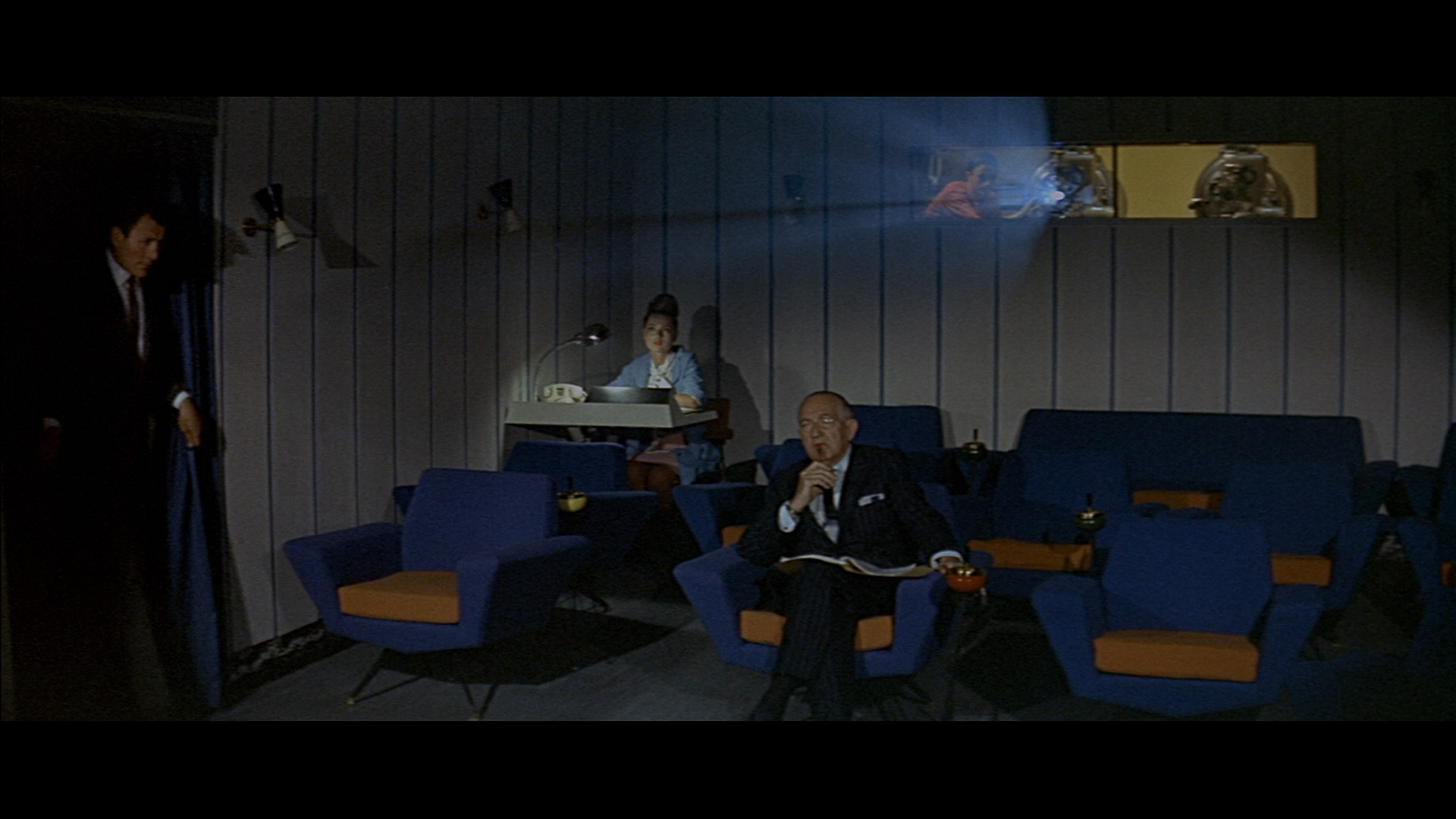
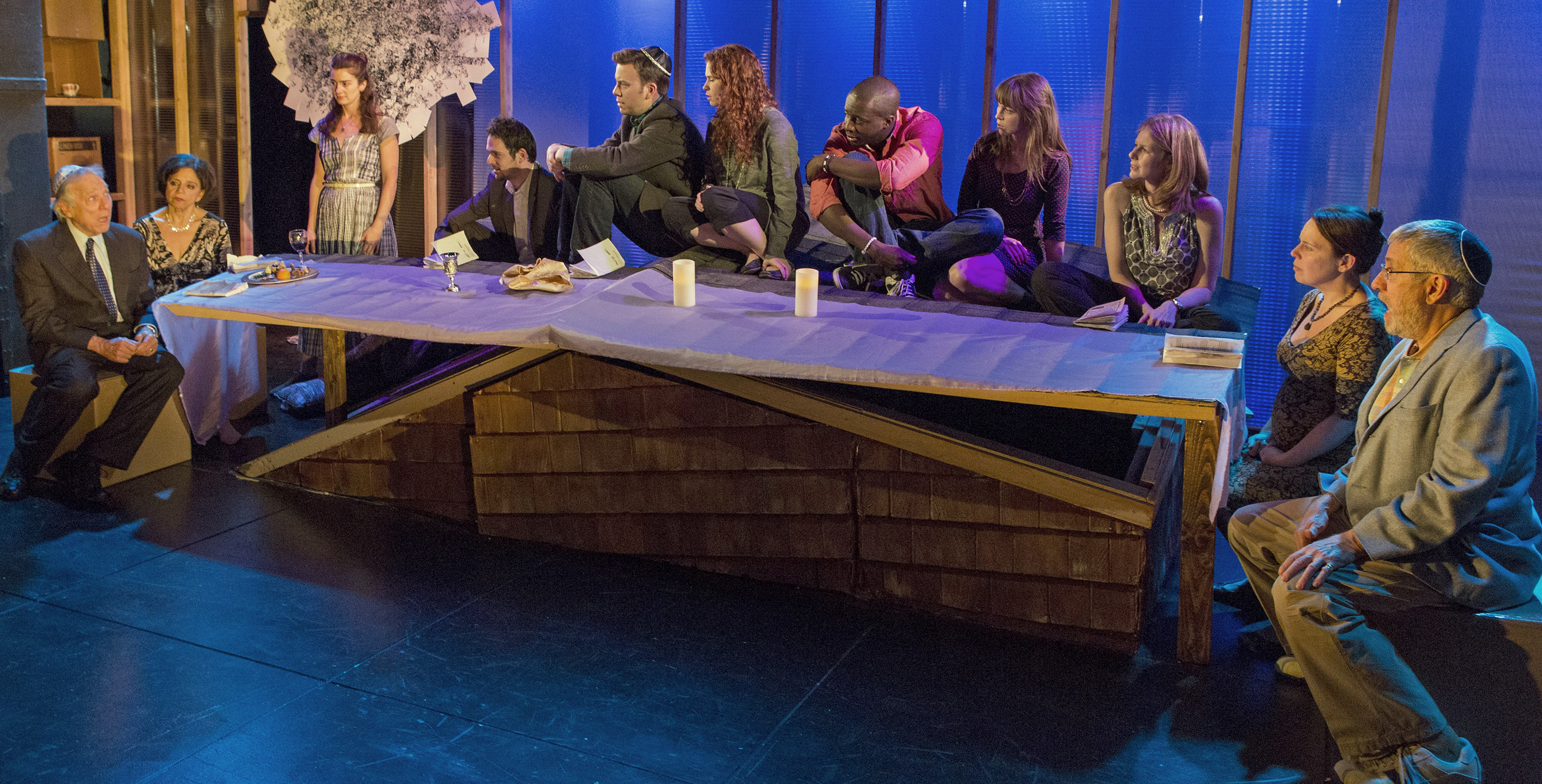
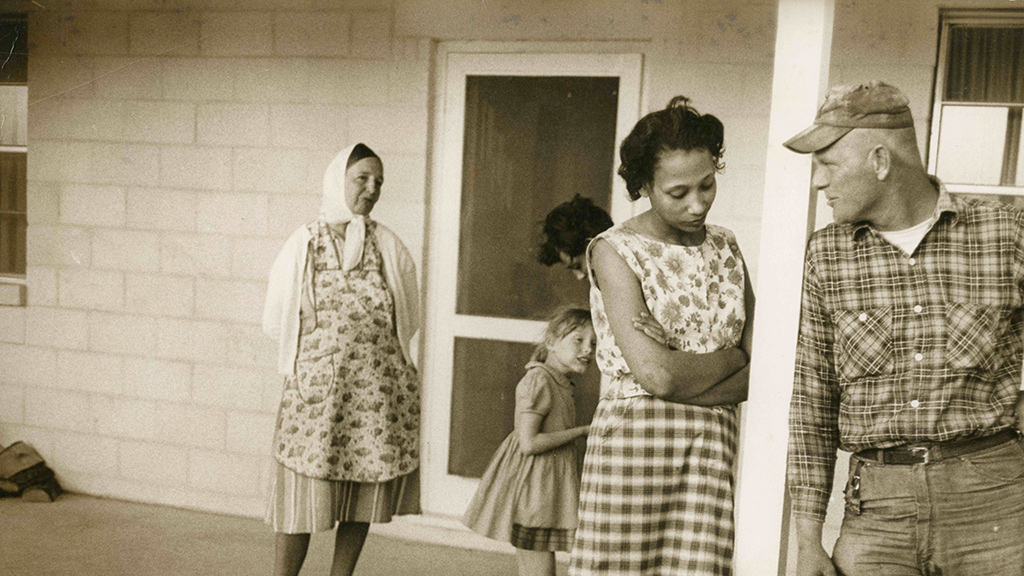
 On June 2, 1958, Richard Loving and Mildred Jeter got married in Washington, DC. Shortly after returning to their Virginia home, Loving, a white man, and Jeter, a black and Native American woman, were arrested and imprisoned by the local sheriff, facing prison sentences because interracial marriage was illegal in their home state. Banished from Virginia, they spent nine years fighting in the courts, and their remarkable tale is now being told in the Oscar shortlisted documentary The Loving Story. First-time director Nancy Buirski, who founded the Full Frame Documentary Film Festival, and editor Elisabeth Haviland James weave together never-before-seen archival footage shot by photojournalist Grey Villet, old news reports and interviews, and family home movies with new interviews with the Loving children and lawyers Bernard S. Cohen and Philip J. Hirschkop, who were ready to take the case to the U.S. Supreme Court if necessary. One of the many fascinating aspects of the film is that Richard and Mildred had no desire to be trailblazers fighting miscegenation laws; they were just a man and a woman who had fallen in love at first sight and wanted to live happily ever after, in a community that fully accepted their situation. They of course have the perfect last name, because The Loving Story is a story of love and romance as much as it is about an outdated legal system, bigotry, and white supremacy. And it is more relevant than ever, with the issue of same-sex marriage dividing much of the nation. Told in a procedural, chronological format, The Loving Story is also absolutely infuriating, since this all happened not very long ago at all, with many of the protagonists and antagonists still alive — and race still being such a central issue in America. An HBO production, The Loving Story is having its theatrical premiere December 10-16 as part of the Maysles Cinema series “Documentary in Bloom: New Films Presented by Livia Bloom”; Buirski will join Bloom for a Q&A following the December 14 screening.
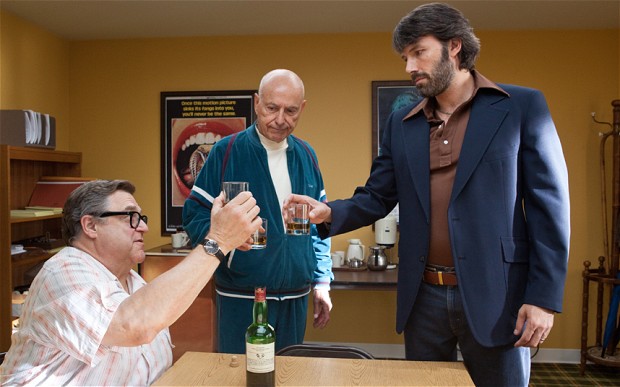
 The little-known story of an unusual rescue attempt of six American diplomats during the Iran hostage crisis is told in Ben Affleck’s gripping, nearly flawless thriller, Argo. On November 4, 1979, the American embassy was overtaken by Iranian militants, but a half dozen men and women — Bob Anders (Tate Donovan), Cora Lijek (Clea DuVall), Mark Lijek (Christopher Denham), Joe Stafford (Scoot McNairy), Kathy Stafford (Kerry Bishé), and Lee Schatz (Rory Cochrane) — escaped and were given shelter by Canadian ambassador Ken Taylor (Victor Garber). A stymied U.S. State Department turns to CIA operative Tony Mendez (Ben Affleck) and his boss, Jack O’Donnell (Bryan Cranston), who come up with a bizarre plan to pretend they are making a Canadian movie in Iran, using that as a guise to get the six embassy employees out of the country. Affleck gets real-life producer Les Siegel (a rioutous Alan Arkin) and makeup maestro John Chambers (John Goodman) to maintain a Hollywood office as the plan kicks into gear, with Affleck serving as the producer in Iran and assigning fake behind-the-scenes roles to the six men and women as the terrorists searching for them grow ever closer. Written by Chris Terrio (Heights) and produced by Affleck with George Clooney and Grant Heslov, Argo is a superbly made thriller with expert pacing, a strong cast, and a knuckle-biting story that will captivate Democrats, Republicans, and Independents. Tension is high throughout, with just the right amount of humor and sentimentality, leading to a breathtaking finale. With Argo, one of the best films of the year, Affleck once again proves himself as a big-time director, following the success of 2007’s Gone Baby Gone and 2010’s The Town.