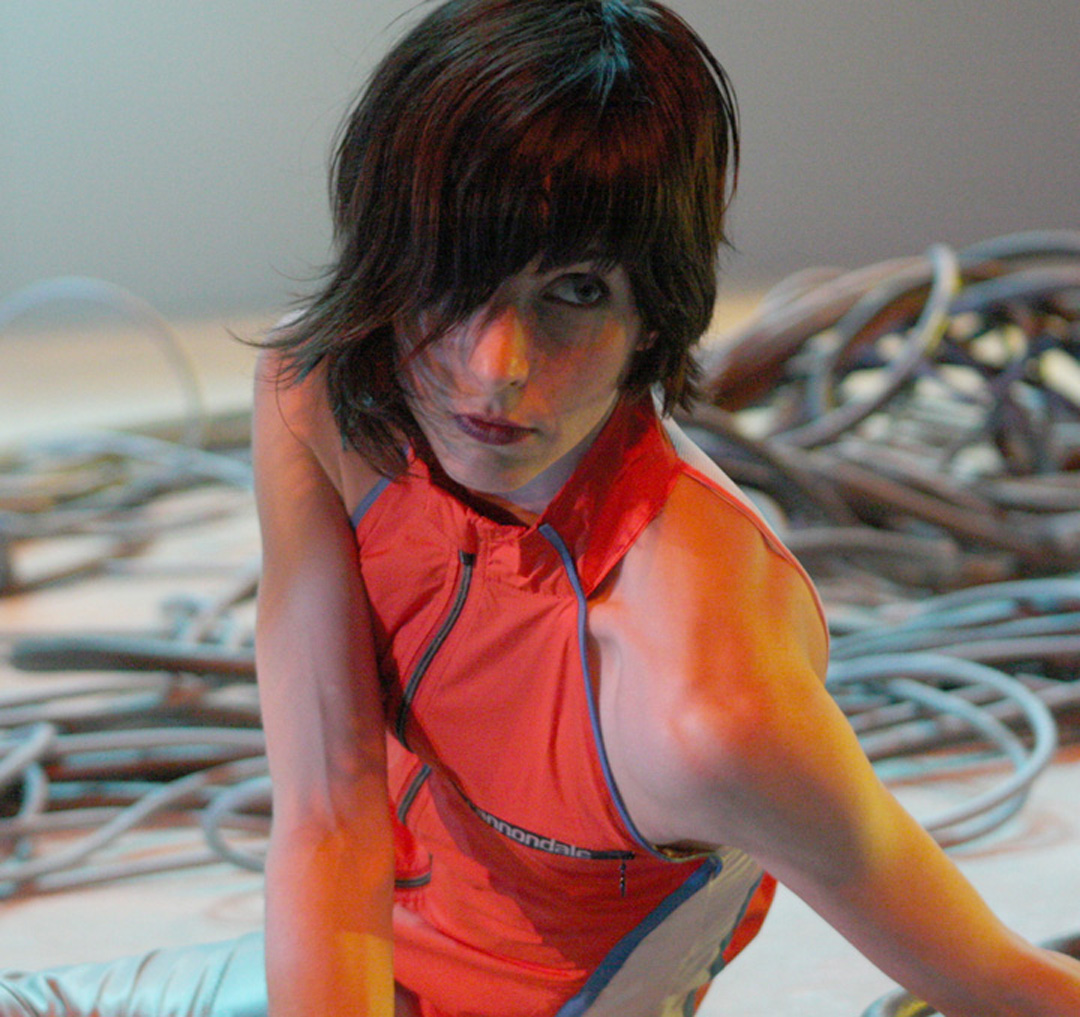
Laura Peterson goes environmental with WOODEN (photo by Steven Schreiber)
HERE
145 Sixth Ave. at Dominick St.
November 4-12, $20
212-647-0202
www.here.org
www.lpchoreography.com
Last January, Laura Peterson Choreography presented Wooden as part of HERE’s annual Culturemart festival. The work-in-progress, which uses real grass and trees in creating living environments in which a quartet of dancers — Peterson, Kate Martel, Edward Rice, and Janna Diamond — perform, officially opened this past Friday, beginning an eight-show run that continues at HERE through November 12. Consisting of three parts, “Ground,” “Trees,” and “Corridor,” Wooden examines time and nature, inspired by earthworks and taking place on a biodegradable set. There will be a special panel discussion, “Dance, Installation, and Repurposing,” following the November 9 performance, in which Peterson will talk about her creative process. Just as she prepared for opening night, Peterson, who teaches classes at Dance New Amsterdam, answered some questions for twi-ny as curtain time beckoned.

Edward Rice, Laura Peterson, and Janna Diamond in WOODEN (photo by Steven Schreiber)
twi-ny: When we first met back in January, you were extremely nervous, putting together Wooden for Culturemart. How are the nerves as the piece is ready for its first official performances this week at HERE?
Laura Peterson: I am so happy with Wooden. When we performed the dance on the grass at Culturemart in January, I had no idea how it would behave, what it would be like to install a living lawn or what it would feel like for our bodies to dance on. We learned that it lives and grows and needs water every night. Dancing on the grass is so much more difficult that dancing on a normal floor. Sliding doesn’t really happen, turning is very precarious, and the effort of moving on an uneven terrain is very intense. We figured all of these things out through Culturemart and everyone is much calmer.
twi-ny: How has Wooden changed since then?
Laura Peterson: Most of the choreography that we performed in January 2011 has been reworked. Because HERE provides the opportunity of the Culturemart festival to workshop the pieces by members of the HERE Artist Residency Program, we are able to see the problems in a piece before full production and address them. The sound score is very different, the costumes are a little different, and we are also performing part of the dance we developed in 2010. This section is performed in a barren landscape with hanging driftwood trees while the audience is sitting on the lawn in the second half of Wooden. There is an installation and a soloist as the audience enters, which is brand new as well. It’s called “Corridor,” and it is performed by several different dancers throughout the performance run.
twi-ny: You incorporate environmentally friendly earthwork into Wooden. How did you go about selecting the material? Did you have any primary influences when designing the installation itself?
Laura Peterson: I was first inspired to create this dance in 2009 when I was looking at outdoor installation work and natural architecture. I am often influenced by visual art, and I started seriously looking at earthwork and pieces made from natural materials. I found myself thinking that those pieces are meant to change, as they are subject to time and weather. This was around the time that my dance called Forever was being performed on a large set consisting of a white circular platform made from forty-eight triangles. After the performances of Forever ended and we were loading out, I thought about how much I was throwing away after a show closes and it really bothered me. Luckily, some of those triangles became tables in our friend’s restaurant, but only using something for a week and letting it go into a Dumpster stuck with me. I decided that using biodegradable materials was going to be part of my concept in Wooden. I wonder if the audience will consciously realize they are sitting on and among natural and ecologically sensitive materials. We are going to find out.
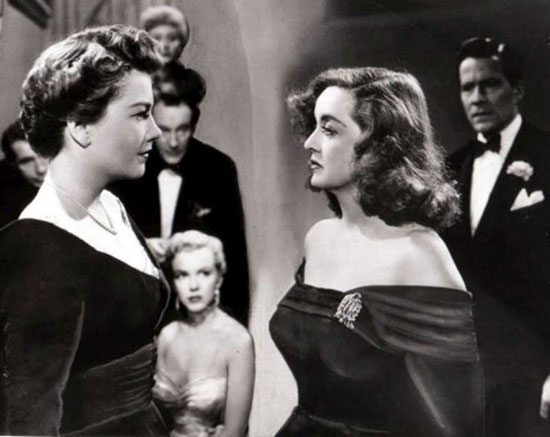
 Nominated for fourteen Academy Awards and winner of six, including Best Picture, Best Director, and Best Screenplay, All About Eve is one of Hollywood’s all-time greatest movies, a searing depiction of naked ambition set on the Great White Way. Based on Mary Orr’s 1946 short story “The Wisdom of Eve,” writer-director Joseph L. Mankiewicz’s flawless drama stars Anne Baxter as Eve Harrington, who is not exactly the mousey wallflower she at first appears to be. She quickly worms her way into an inner circle of Broadway vets populated by superstar Margo Channing (Bette Davis), her younger lover, Bill Sampson (Gary Merrill), playwright and director Lloyd Richards (Hugh Marlowe), and Richards’s wife, Karen (Celeste Holm), who takes Eve under her wing. Joining in on all the fun is powerful theater critic Addison DeWitt (Oscar winner George Sanders), who marvels at all the manipulation and backstage drama, much of which he wickedly orchestrates himself. “There never was, and there never will be, another like you,” DeWitt tells Eve in one of the film’s most poignant moments. All About Eve is filled with classic quotes, including the iconic “Fasten your seatbelts, it’s going to be a bumpy night,” boldly proclaimed by Davis. In a movie about acting and the theater, Mankiewicz never shows anyone onstage; instead, he focuses on the characters and the intrigue with a sly flair that is deliciously entertaining. All About Eve is screening November 6-8 at 4:00 as part of the JCC in Manhattan’s “Black and White” series, which will show classic b&w films on a monthly basis, with Stanley Kubrick’s Paths of Glory on tap for December,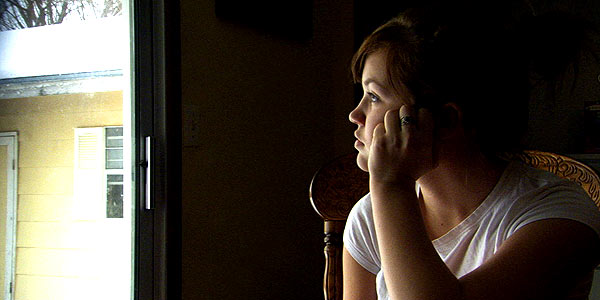
 In a Republican debate in September, presidential hopeful Michele Bachmann called Gardasil, Merck’s HPV vaccine to prevent cervical cancer, “dangerous,” setting off a firestorm across the country and in the scientific community over the safety of childhood vaccinations in general, with groups taking to the streets and the airwaves fighting against government-mandated vaccines. Thus, Kendall Nelson and Chris Pilaro’s The Greater Good comes along at just the right time. In the ninety-minute documentary, the directors speak with individuals on all sides of the now controversial issue. They speak with the Swank, King, and Christner families, who claim that vaccinations specifically led to their children either becoming autistic, suffering strokes, or, dying. While Dr. Paul Offit declares vaccinations safe and bemoans so many people deciding not to have their children vaccinated against anything, which led to a recent outbreak of measles at Children’s Hospital of Philadelphia, Drs. John Green and Lawrence B. Palevsky come out strongly against vaccinations. And experts such as Robert W. “Dr. Bob” Sears, author of The Vaccine Book: Making the Right Decision for Your Child, and Barbara Loe Fisher, cofounder and president of the National Vaccine Information Center, are firmly in the middle, demanding that more testing be done on vaccines before they hit the market and that parents should have the choice of what vaccinations their children receive. Nelson and Pilaro supplement the film with a not-overwhelming amount of relevant data and some playful yet serious animation as they examine corporate influence on public health, the science behind the controversy, government regulation, the growing anti-vaccination movement, and the sad stories of three families dealing with harrowing personal circumstances. The Greater Good is screening November 5 at 6:45 at NYU’s Kimmel Center and November 7 at 1:30 at the IFC Center as part of the “Viewfinders” section of the Doc NYC festival, which continues through November 10, with the codirectors expected to be in attendance to discuss the film.
