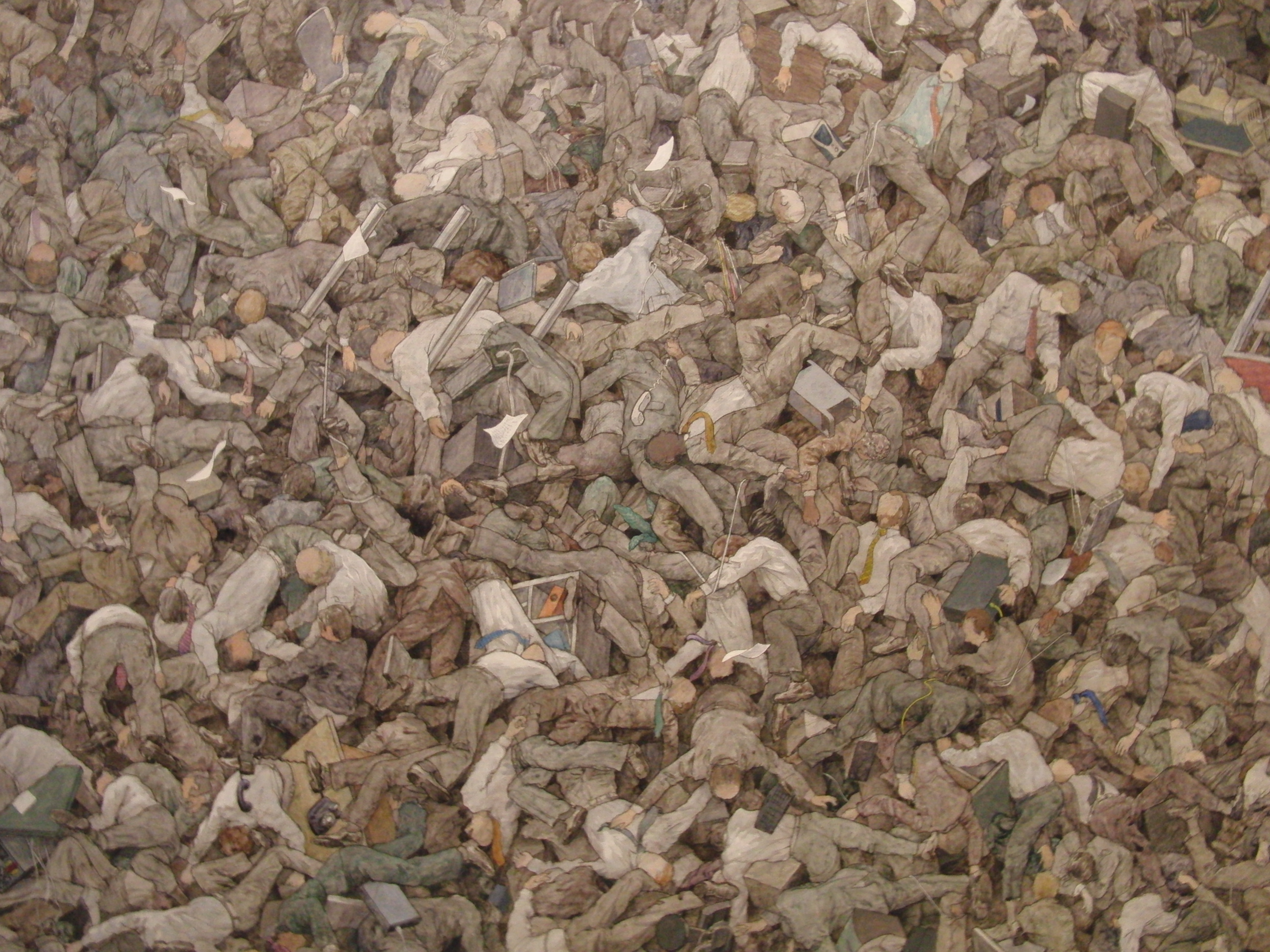
Makoto Aida, “Ash Color Mountains,” detail, acrylic on canvas, 2009-10 (photo by twi-ny/mdr)
Japan Society
333 East 47th St. at First Ave.
Through Sunday, June 12 (closed Monday)
Admission: $15 (free Friday from 6:00 to 9:00)
212-715-1258
www.japansociety.org
www.byebyekittyart.org
There’s only one week left before Japan Society’s engaging exhibit “Bye Bye Kitty!!!” goes bye-bye, so we highly recommend you do what you can to say hello before it leaves. (Sorry, we were trying to be cute.) Subtitled “Between Heaven and Hell in Contemporary Japanese Art,” the small but insightful show offers an alternative take on the cute kawaii and otaku culture that has been so prevalent in Japanese youth over the last few decades. “Bye Bye Kitty!!!” exposes the underside, if not quite dark underbelly, of that groovy scene with a collection of installation, videos, photographs, paintings, drawings, and sculpture that are often cute in their own way — until you look a little deeper. Makoto Aida’s “Harakiri School Girls” sets the tone for the exhibition, mimicking the charming covers found on Japanese manga but upon further examination focuses on a young girl with a samurai sword decapitating her schoolmates. Aida’s massive “Ash Color Mountains” wall painting is composed of hundreds of faceless, dead salarymen jumbled together (along with Wall-E and Waldo). Playing off the “Famous Views of Kyoto” paintings by Hiroshige, Yamaguchi Akira populates his “Narita International Airport” pen and watercolors with scenes of impending environmental disaster. Chiharu Shiota takes that most beautiful and representational of objects, a white wedding dress, and inserts multiple tubes coming out of it, extracting blood that continuously pumps through them, commenting on femininity, tradition, and virginity.
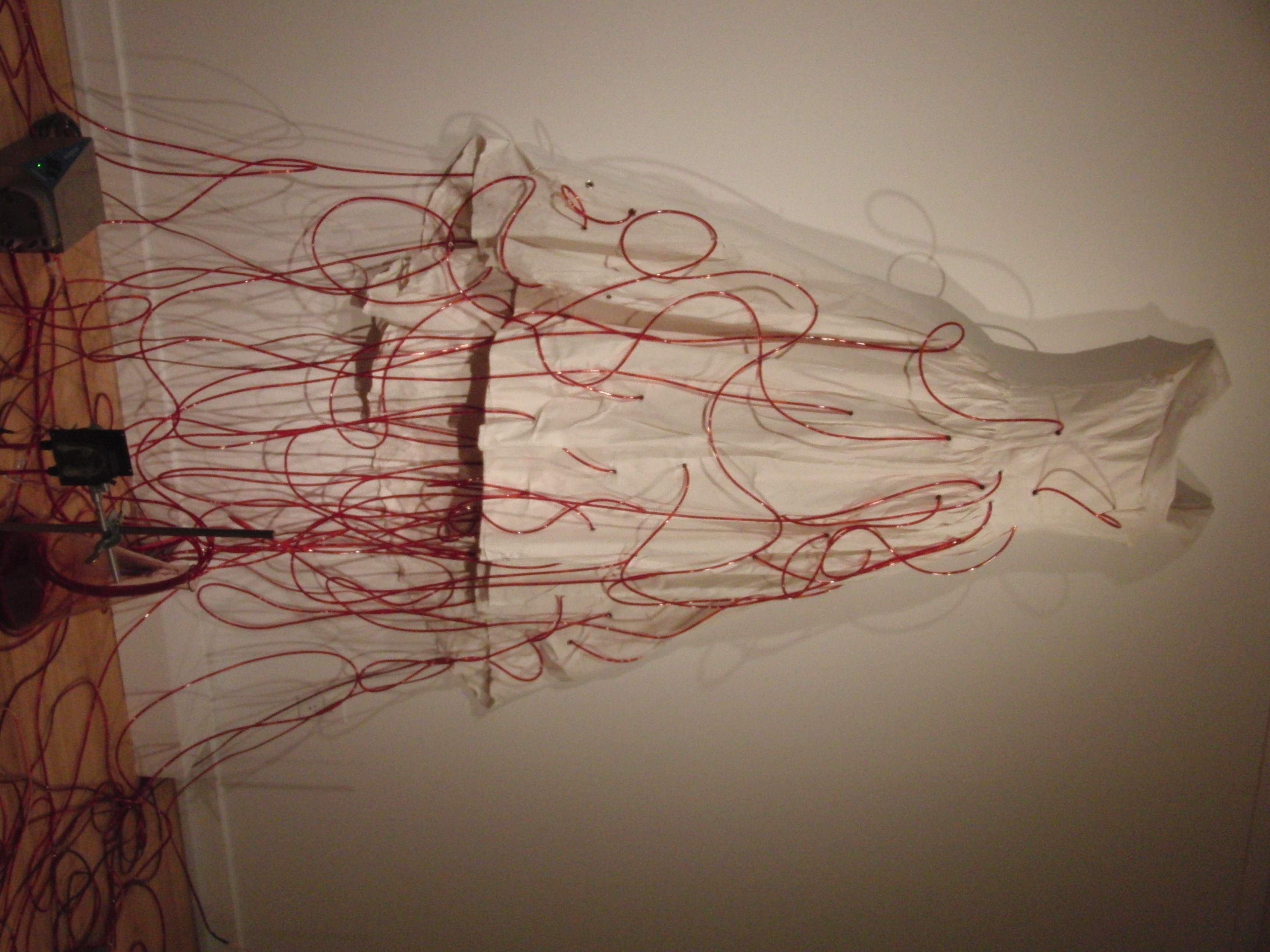
Chiharu Shiota, “Dialogue with Absence,” painted wedding dress, peristaltic pumps, transparent plastic tubing, dyed water, 2010 (photo by twi-ny/mdr)
Tomoko Shioyasu’s “Vortex” is an ultra-delicate cut-paper installation that hangs in the center of one gallery room, casting wild, intense shadows behind it. Miwa Yanagi’s “My Grandmothers” photos stage scenes where a group of Japanese women think they will be fifty years in the future, not necessarily predicting what would be considered a happy, normal life. Tomoko Yoneda’s simple yet evocative photos depict a location in Seoul that was used as a Japanese military hospital in the first half of the twentieth century and a place for interrogation and torture in the 1970s. The most exquisite pieces in the show come from Manabu Ikeda, whose three heavily detailed pen and acrylic ink drawings are awe-insipring and breathtaking, with “Existence” celebrating life, “History of Rise and Fall” mired in death and destruction, and “Ark” not exactly offering the way to a better world; be sure to spend plenty of time examining the myriad amazing intricacies of this fascinating series. Divided into three sections, “Critical Memory,” “Threatened Nature,” and “Unquiet Dream,” the exhibit also features works by Tomoko Kashiki, Rinko Kawauchi, Haruka Kōjin, Kumi Machida, Kohei Nawa, Motohiko Odani, Hiraki Sawa, Hisashi Tenmyouya, and Yoshitomo Nara, who says good-bye with a fitting farewell.
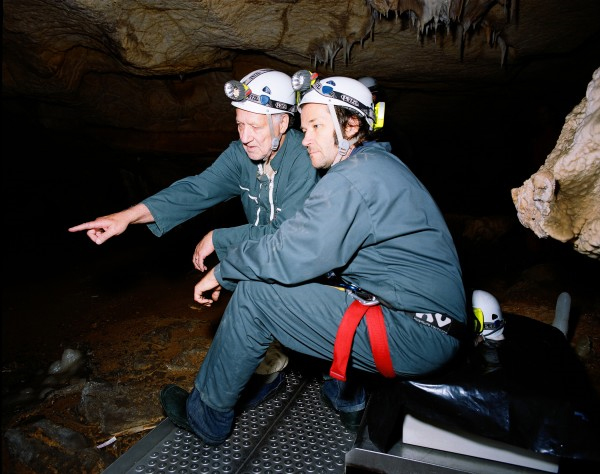
 An adventurer as much as a filmmaker, German director Werner Herzog has headed into the Amazon in Fitzcarraldo (1982), burning Kuwaiti oil fields in Lessons of Darkness (1992), and Antarctica in Encounters at the End of the World (2008). In his latest documentary, Cave of Forgotten Dreams, he goes where few have ever gone before. In December 1994, speleologists Jean-Marie Chauvet, Éliette Brunel, and Christian Hillaire discovered the Chauvet-Pont-d’Arc Cave in France, a vast series of chambers filled with remarkable paintings and engravings as well as animal bones, including the skulls of the extinct cave bear. The works were painted onto and carved into the walls, not limited to flat surfaces but around formations that jut out into the cavern. Dating back more than thirty thousand years, they are the oldest cave paintings ever found, well preserved through crystallization over the centuries and now by the intense and careful protection of the French government. Only a handful of scientists have been given access to the cave, until last spring, when Herzog, who has been entranced by cave paintings since he was twelve years old, was allowed to bring in a shoestring crew using specially devised equipment to film the space over the course of six four-hour sessions. The four-person crew — including Herzog manning the lights and his longtime cinematographer, Peter Zeitlinger, behind the 3-D camera — were not allowed to touch anything and had to stay on a narrow metal walkway that winds through the cave. They were accompanied by a team of specialists on the rare public journey: handprint expert Dominique Baffier, cave bear researcher Michel Philippe, the husband and wife team of Gilles Tosello and Carole Fritz, who map out the social connection between art and archaeology, Jean Clottes, the former director of the Chauvet Cave Research Project, and current director Jean-Michel Geneste. In true Herzog style, he also speaks with a master perfumer and two prehistoric flute archaeologists. Herzog’s decision to use 3-D — for what he says will be the only time in his career — was a stroke of genius, allowing viewers to feel like they’re walking through the cave with him, nearly able to reach out and touch the remarkable drawings, engravings, and skeletons. Herzog’s narration does get too dreamy at times, veering off on philosophical tangents before he adds a cool but silly coda, but, as always, he adds his trademark humor and charm.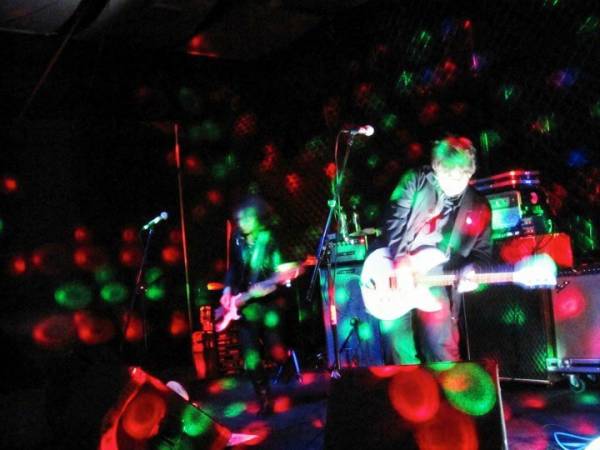
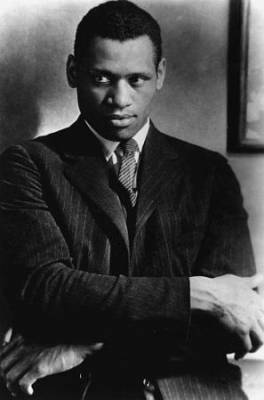
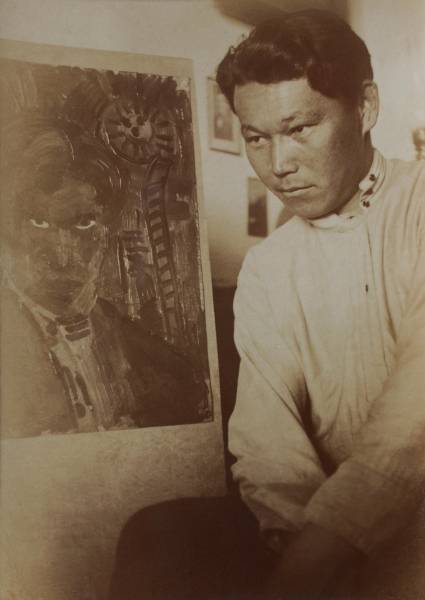
 While making a documentary about grass-roots political activism in the former Soviet Union, Amanda Pope and Tchavdar Georgiev learned of a remarkable museum in the middle of nowhere. Tucked away in the desert border town of Nukus in Uzbekistan is a monument built by one man’s fierce vision and refusal to give up, risking his freedom and security in the name of art. An archaeologist and wannabe painter, Igor Savitsky devoted his life to amassing a stunning collection of forbidden Soviet avant-garde art, primarily by little-known artists who were challenging the Fascist leadership on beautiful canvases loaded with social and historical relevance. Through interviews with surviving members of some of the artists’ families and friends of Savitsky’s, former New York Times Central Asia bureau chief Stephen Kinzer (the first Western journalist to write about the institution), art historians, longtime Savitsky Museum director Marinika Babanazarova, and others, supplemented by readings from Savitsky’s letters, Pope and Georgiev explore the power art can have in a repressed society as Savitsky, often getting funds from the very government that was banning the art he was collecting, put on public display works by such painters as Alexander Volkov, Kliment Redko, Victor Ufimtsev, Lyubov Popova, and Ivan Koudriachov from among the forty thousand pieces in the museum’s holdings (which now have passed the eighty-thousand mark). One of the most fascinating characters is Ural Tansykbaev, who was believed to have been collaborating with the Fascist government but is revealed to have had a subversive side as well. “I like to think of our museum as a keeper of the artists’ souls,” Savitsky is quoted as saying in the film. “Their works are the physical expression of a collective vision that could not be destroyed.” Sir Ben Kingsley supplies the voice of Savitsky, with Sally Field, Ed Asner, and Igor Paramonov providing voice-overs for various artists. As Pope and Georgiev note, the future of the Savitsky Collection is in jeopardy as it becomes more well known, more people look to profit from it, and Islamic fundamentalists seek to destroy it.