PINA is a 3-D celebration of seminal choreographer Pina Bausch and Tanztheater Wuppertal
PINA: DANCE, DANCE, OTHERWISE WE ARE LOST (Wim Wenders, 2011)
MoMA Film, Museum of Modern Art
11 West 53rd St. between Fifth & Sixth Aves.
Monday, March 16, 6:30, and Tuesday, March 17, 6:45
Series runs March 2-17
Tickets: $12, in person only, may be applied to museum admission within thirty days, same-day screenings free with museum admission, available at Film and Media Desk beginning at 9:30 am
212-708-9400
www.moma.org
www.pina-film.de
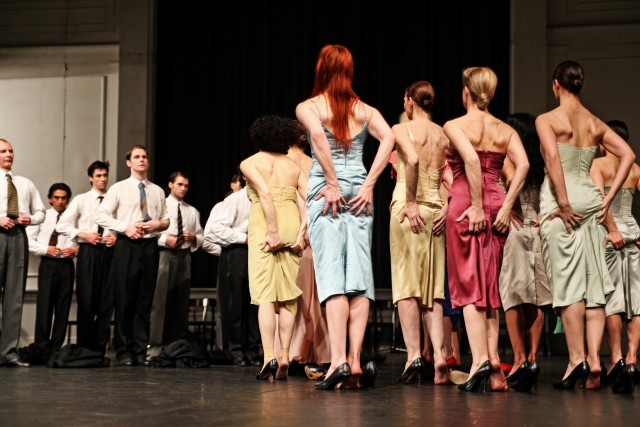
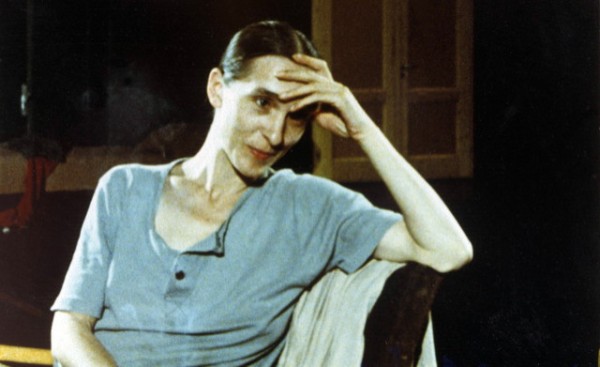
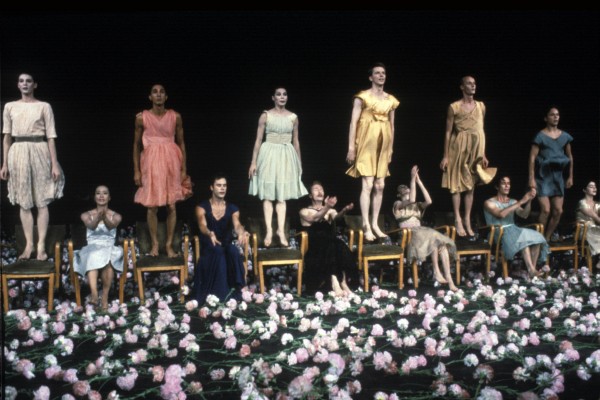
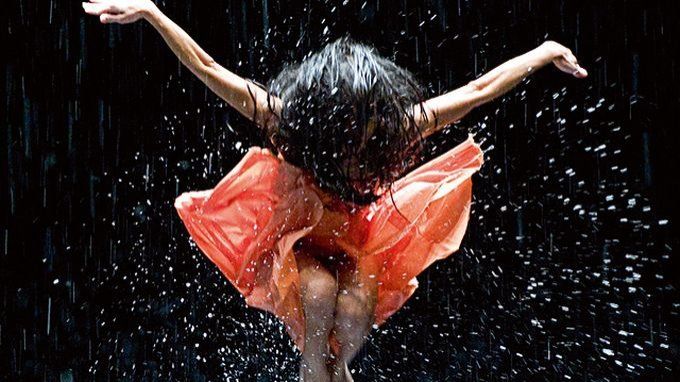
 Back in 2004, in reviewing Pina Bausch’s Fur Die Kinder von Gesern, Heute und Morgen (For the Children of Yesterday, Today, and Tomorrow) at BAM, we wrote, “You don’t have to be a dance fan to love the always engaging Pina Bausch.” The same holds true for Wim Wenders’s loving 3-D documentary, Pina. The longtime director of Tanztheater Wuppertal, German choreographer Bausch created uniquely entertaining pieces for more than thirty years, combining a playful visual language with a ribald sense of humor, cutting-edge staging, diverse music, and a stellar cast of men and women of varying ages and body sizes, resulting in a new kind of dance theater. A friend of hers for more than twenty years, Wenders (Wings of Desire, Paris, Texas) was collaborating with Bausch on a film when she suddenly died of cancer in 2009 at the age of sixty-eight, two days before rehearsal shooting was to begin. Wenders decided to proceed, making a film for Pina instead of with her. Using the latest 3-D technology, including a specially developed camera rig mounted on a crane, Wenders invites audiences onstage as he captures thrilling, intimate performances of several of Bausch’s seminal works, 1975’s Le Sacre du printemps, 1978’s Café Müller, 1978 and 2000’s Kontakthof (Contact Zone), 2002’s Fur Die Kinder, and 2006’s Vollmond (Full Moon), which were selected by Bausch and Wenders together.
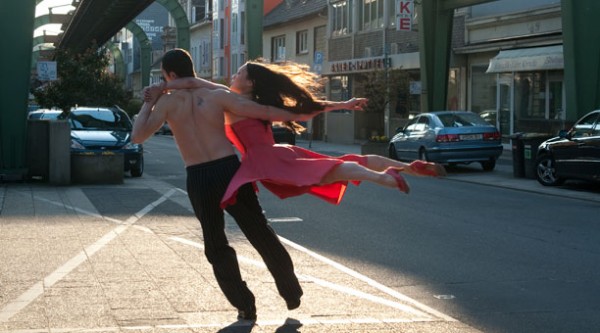
Wim Wenders’s PINA takes to the streets of Wuppertal, Germany
The dancers seem to be more motivated than ever, reveling in Bausch’s building, repetitive vocabulary of movement and discussing how she inspired them with just a few words. As a bonus, Wenders includes footage of Bausch dancing Café Müller. Some members of the company also dance personal memories on the streets, in a factory, and aboard a monorail in and around Wuppertal. Pina is not a biopic; Wenders does not delve into Bausch’s personal life or have random talking heads discuss her contribution to the world. Instead, he focuses on how she used movement to celebrate humanity and get the most out of the men, women, and children who worked with her. In the September 2009 memorial ceremony held for Bausch at the Wuppertal Opera House, Wenders said, “I would like to ask all of you, finally, to cherish this treasure of Pina’s gaze. . . . appreciating that you knew Pina, that we all knew her gaze and were fortunate enough to experience such a priceless gift.” With Pina, which was nominated for a Best Documentary Oscar, Wenders has given us a beautiful gift, a wonderful tribute to his great friend. Pina is screening in 3-D on March 16 & 17 as the sixteen-day Wim Wenders retrospective concludes at MoMA; there is also still time to catch such other Wenders works as Alice in the Cities, Tokyo-Ga, The Goalie’s Anxiety at the Penalty Kick, Buena Vista Social Club, and lesser-known shorts and early films.
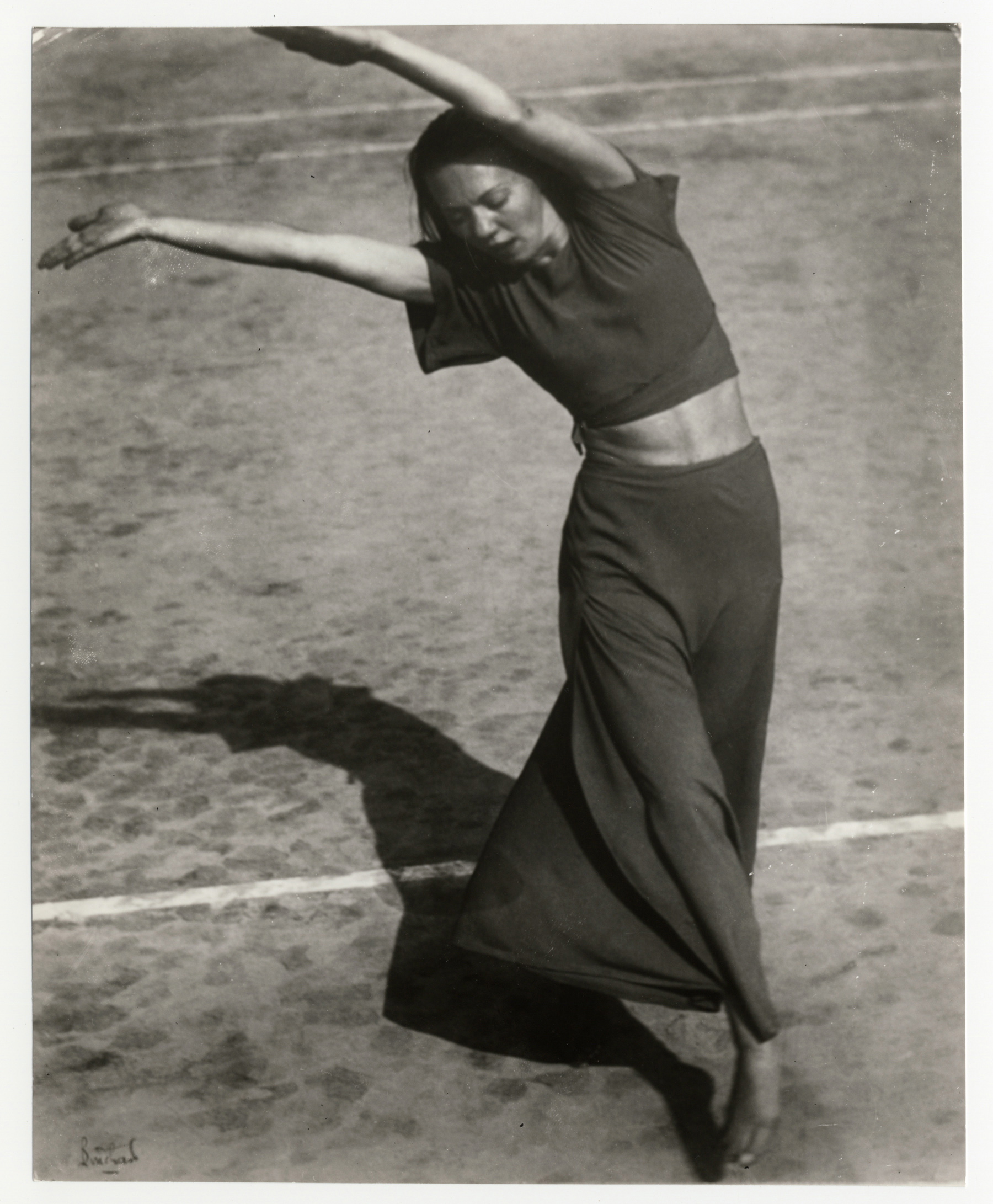
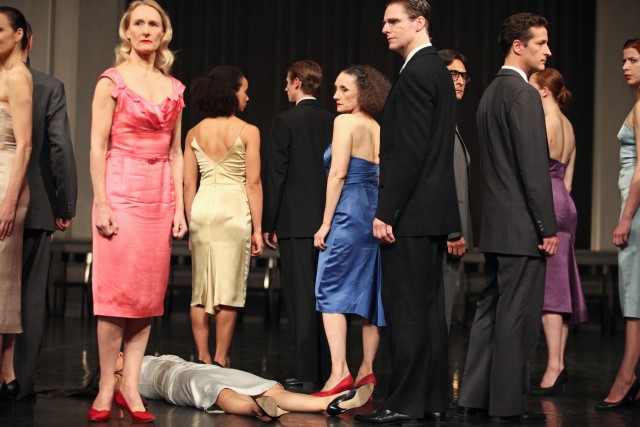
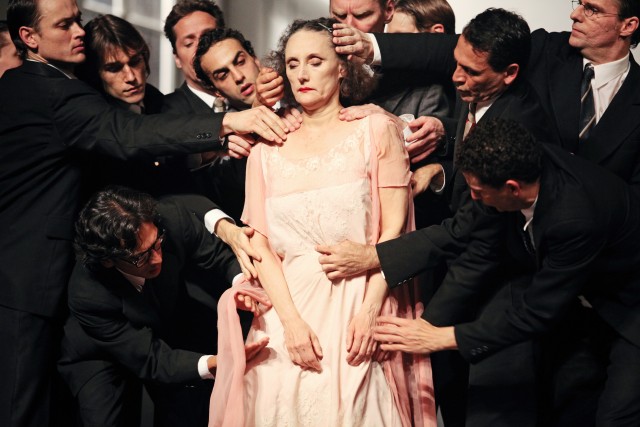
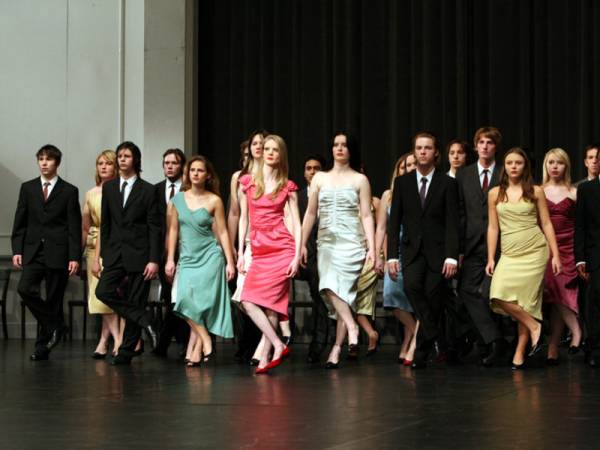
 From 1973 until her death in 2009, legendary dancer and choreographer Pina Bausch ran Tanztheater Wuppertal, the German company that changed the face of dance theater forever with such seminal productions as Rite of Spring, Café Müller, Danzón, Masurca Fogo, and so many others, many of which had their U.S. premieres at BAM. In 1978 she staged Kontakthof, collaborating with Rolf Borzik, Marion Cito, and Hans Pop, set to music by Juan Llossas, Charlie Chaplin, Anton Karas, Sibelius, and other composers. In 2000, she revisited the piece with a cast of senior citizens, and eight years later she turned the roles over to a group of Wuppertal high schoolers, most of whom had never heard of her and had never danced before. Director Anne Linsel and cinematographer Rainer Hoffmann follow the development of this very different production in Dancing Dreams, speaking with the eager, nervous participants, who talk openly and honestly about their hopes and desires, as well as with rehearsal directors Jo-Ann Endicott and Bénédicte Billet, who do not treat the teens with kid gloves but instead are trying to get them to reach deep inside of themselves and hold nothing back. When Bausch shows up to choose the final cast, telling the teenagers that she doesn’t bite, the tension mounts. Dancing Dreams is an intimate look at the creative process, about dedication and determination and what it takes to be an artist. It suffers at times from feeling too much like a reality television show, mixing American Idol and So You Think You Can Dance with the fictional Glee, but it also offers a last glimpse at Bausch, whose final interview is captured in the film. “You might think I’ve had enough of Kontakhtof,” she says at one point. “But every time it’s a new thing.” Dancing Dreams is screening October 27 at 7:30 in conjunction with the current production of