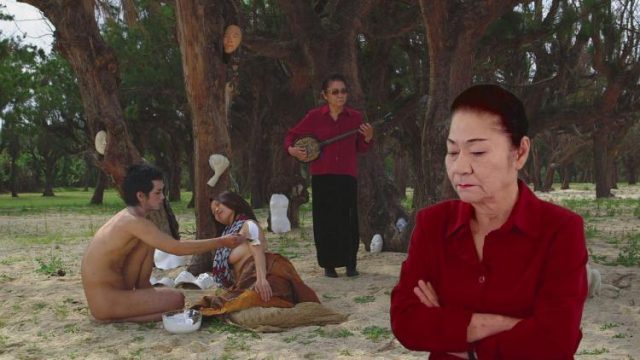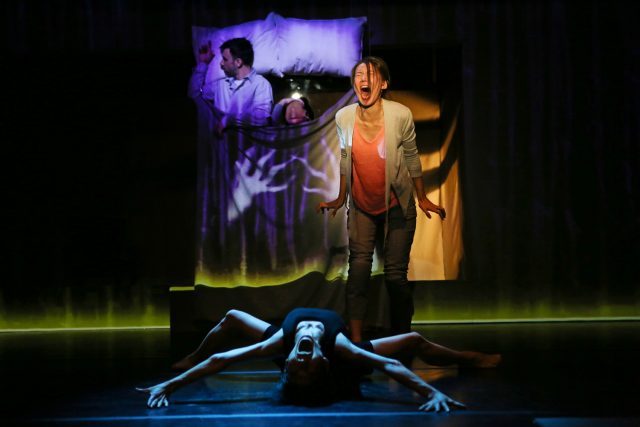
Ripe Time reimagines Haruki Murakami’s Sleep in inventive theatrical adaptation at BAM (photo ©Julieta Cervantes)
BAM Fisher, Fishman Space
321 Ashland Pl.
November 29 – December 2, $25
718-636-4100
www.bam.org
ripetime.org
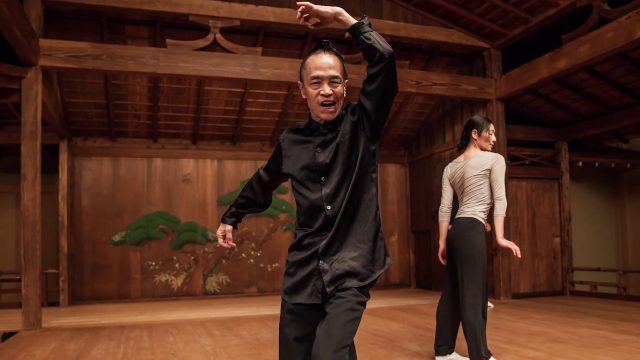
In February 2016, Japan Society presented Ripe Time’s work-in-progress adaptation of Japanese author Haruki Murakami’s 1993 short story Sleep as part of the “Women on the Rise” series. The final version is now making its New York City premiere November 29 through December 2 at the BAM Fisher as part of BAM’s Next Wave Festival. The seventy-five-minute experimental, fantastical production is based on Murakami’s (The Wind-Up Bird Chronicle, Kafka on the Shore) tale of a Japanese housewife who is “both a body on the verge of sleep and a mind determined to stay awake”; the story begins, “This is my seventeenth straight day without sleep. I’m not talking about insomnia.” The multimedia, multidisciplinary show is adapted by Naomi Iizuka (36 Views, Tattoo Girl) and directed and devised by Rachel Dickstein (The World Is Round, Septimus and Clarissa) and Ripe Time, with set design by Susan Zeeman Rogers, projections by Hannah Wasileski, lighting by Jiyoun Chang, sound by Matt Stine, costumes by Ilona Somogyi, and music by NewBorn Trio. The cast features Akiko Aizawa, Brad Culver, Takemi Kitamura, Paula McGonagle, Jiehae Park, and Saori Tsukada. In a program note, Dickstein explains, “In an era where difference is under siege, we hope Sleep’s vision of an ordinary woman tearing down the prison walls of her life as a wife and mother offers a necessary rally cry for us all.”
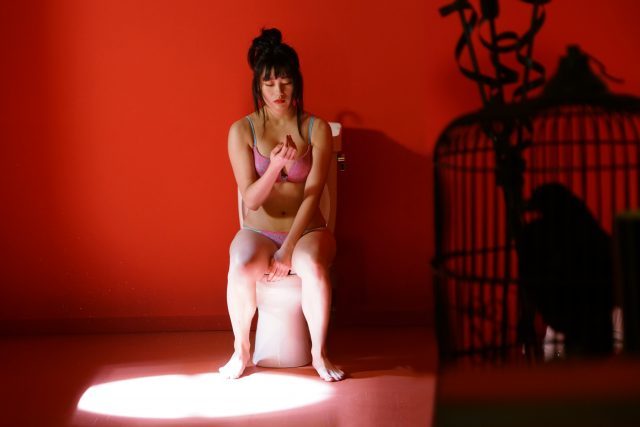
 “I’m a virgin. A virgin, but a whore,” successful novelist, painter, and fashion designer Kyoko (Ami Tomite) says at the beginning of Sion Sono’s bizarre, deliciously candy-colored and anarchic Anti-Porno, making its East Coast premiere July 22 at 10:30 in Japan Society’s Japan Cuts: Festival of New Japanese Cinema. You never know what to expect from Siono, whose previous films include the wild and wacky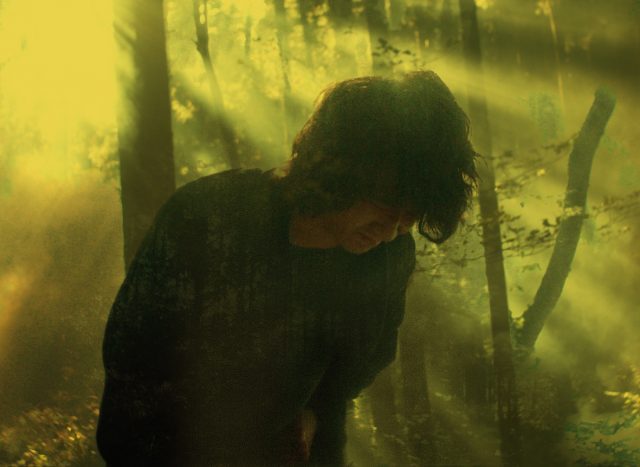
 Writer, director, editor, and composer Soro Hakimoto’s cinematic debut, Haruneko, opens with a swirling, unidentifiable image and gently haunting music featuring portentous voices that fade away as a misty forest emerges and an old white car appears, complete with a black cat. “Let’s sing,” the young driver (Keisuke Yamamoto) mumbles to himself as an old man (Yohta Kawase) looks steadily in front of him in the backseat. It’s an alluring beginning to a film that includes so many classic Japanese movie tropes: ghosts, ominous felines, yakuza, a mysterious forest, sudden bursts of singing, poorly translated subtitles, and a perplexing plot. Amid a lush green landscape is a lone cabin, where people come to die. It is operated by the Manager (Yamamoto) with the help of a young boy named Haru (Ryuto Iwata); also there are the boy’s piano-playing sister (Minako Akatsuka), their grandmother (Lily), and an old man (Min Tanaka) who sits in a rocking chair on the porch. In the middle of the forest is a dark area where the Manager, dressed in a striking white tuxedo, hosts a magic lantern show, spouting poetry and breaking out into uplifting J-pop as slides of a person’s life are projected onto a screen. “Petals are dancing in the wind to celebrate our meeting and departing,” the Manager says. “What is what you see to you? What is not what you don’t see to you?” Later the café is visited by a distraught and crazed yakuza on the run (Yo Takahashi) and a longhaired man (Llon Kawai) with a selfie stick who has committed a horrific atrocity, both seeking, in their own ways, to end their misery. Through it all, the residents of the café remain calm and understanding as their visitors face their destiny.