The Quay Brothers adapt Franz Kafka’s THE METAMORPHOSIS as only they can
LIP-READING PUPPETS: THE CURATORS’ PRESCRIPTION FOR DECIPHERING THE QUAY BROTHERS: THE METAMORPHOSIS BY FRANZ KAFKA (The Quay Brothers, 2012)
MoMA Film, Museum of Modern Art
11 West 53rd St. between Fifth & Sixth Aves.
Monday, January 7, 4:30
Tickets: $12, in person only, may be applied to museum admission within thirty days, same-day screenings free with museum admission, available at Film and Media Desk beginning at 9:30 am
212-708-9400
www.moma.org
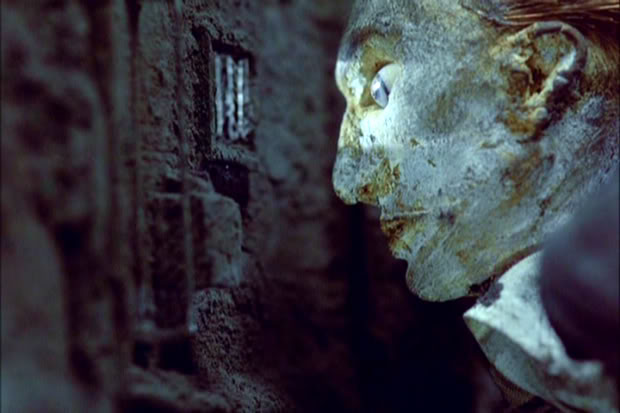
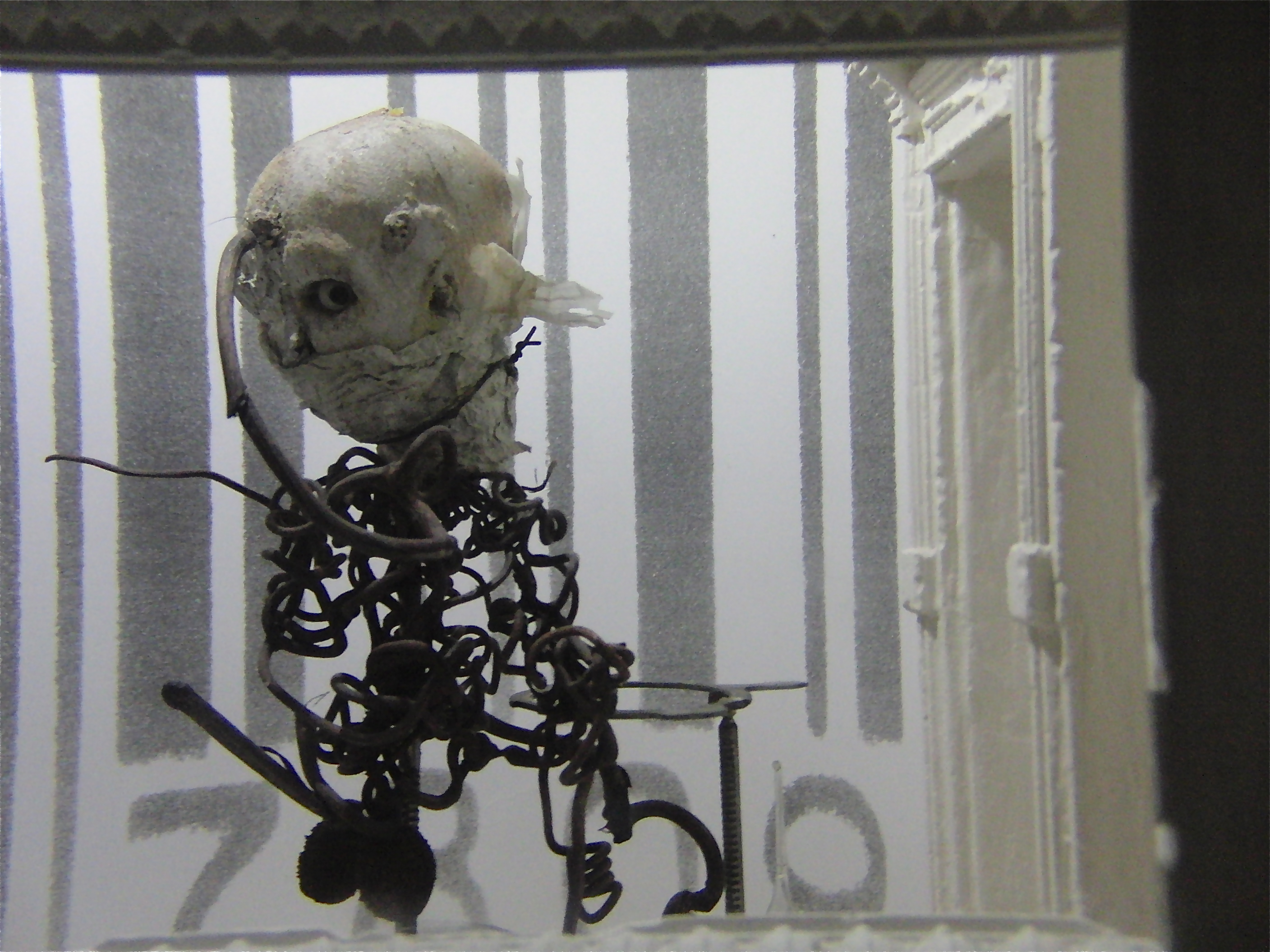
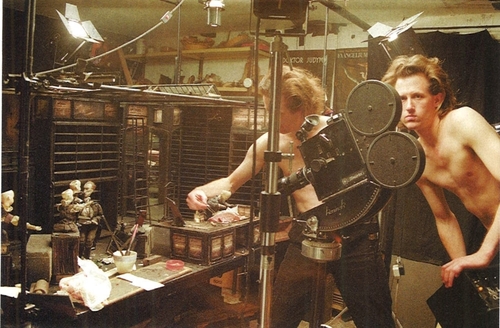
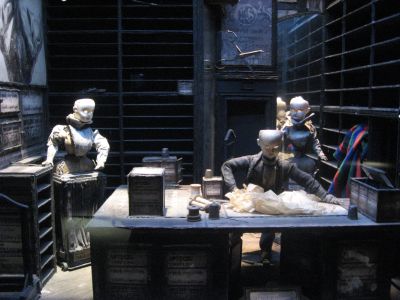
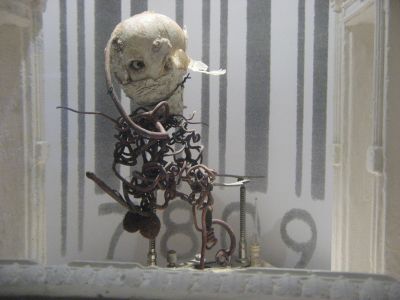
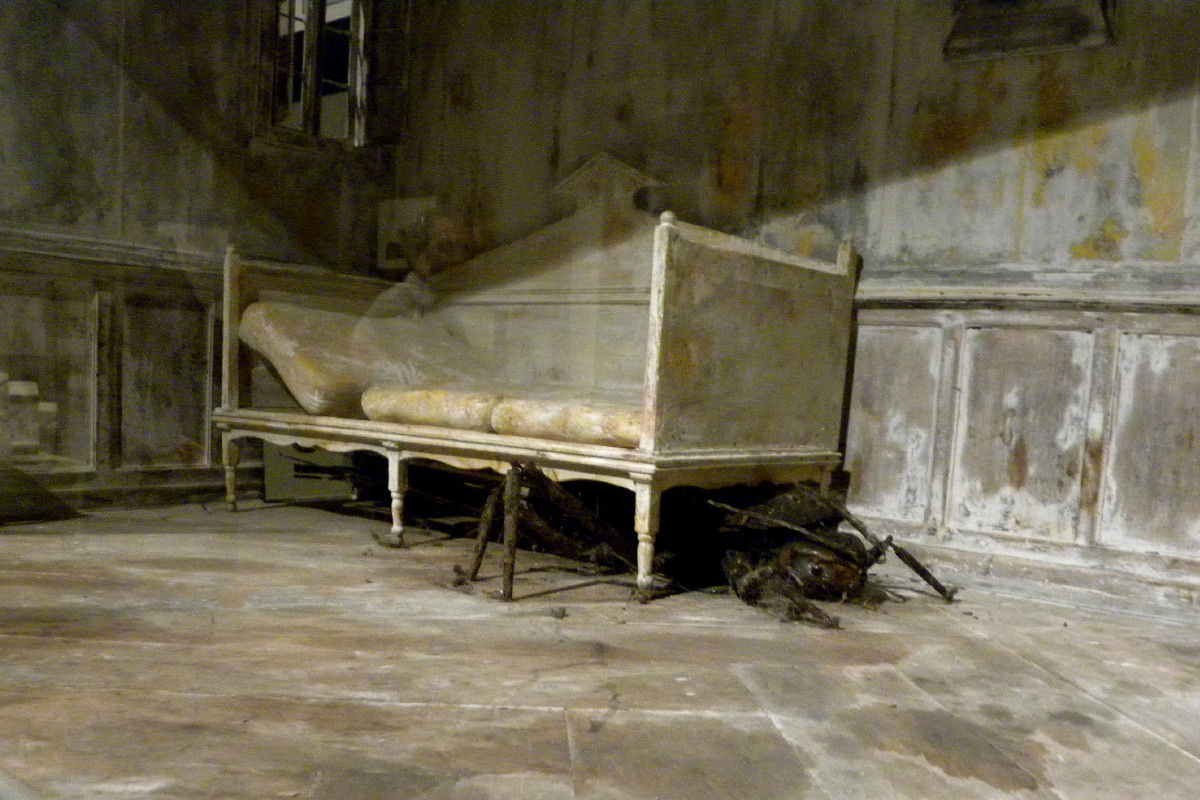
 The magnificent Quay Brothers survey exhibition at MoMA, “Quay Brothers: On Deciphering the Pharmacist’s Prescription for Lip-Reading Puppets,” comes to a close today with the third and final screening of their latest masterpiece, a forty-minute adaptation of Franz Kafka’s seminal novella The Metamorphosis. In the 1970s, Philadelphia-born twins Stephen and Timothy Quay made a series of pencil drawings based on Kafka’s 1915 story about a traveling salesman named Gregor Samsa who wakes up one morning to find he has been transformed into a giant insect. In 1980, the Quays made the rarely shown six-minute short Ein Brudermord, inspired by the Kafka short story that translates as “A Fratricide.” So they jumped at the chance when Russian-born concert pianist Mikhail Rudy asked them to make a film set to a score he had put together featuring the music of Kafka’s fellow Czech artist, Leoŝ Janáček, as part of a special program for Paris’s Cité de la musique. “The images need to float independently from the music to allow one to better ‘see’ the music and ‘hear’ the moving image,” the twins wrote in a correspondence with Rudy. Black, white, and gray dominate the screen as Gregor’s parents, small puppets whose heads slightly bobble when they walk, have great difficulty dealing with their son’s new form. But Gregor’s sister, Greta, shows compassion for him, playing the violin and bringing him food; her humanity is emphasized in that she is portrayed by an actual living, breathing woman, not a puppet, a rarity in the Quays’ oeuvre. The only color comes from bloodred streaks on the insect Gregor and the pieces of apple his father throws at him. The music, performed live by Rudy — his piano was supposed to be onstage, melding with the visuals, but MoMA’s Roy and Niuta Titus Theater cannot accommodate that — includes Janáček’s Piano Sonata 1.X.1905, “On an Overgrown Path,” and “In the Mists,” adding haunting beauty to the heartbreaking story, which the Quays and Rudy infuse with powerful emotion. This North American premiere — the project has been performed only once before, at Cité de la musique last March — reveals the Quays to once again be unique and exceptional interpreters of classic literature and music, resulting in another film that dazzles the senses. The Metamorphosis by Franz Kafka is screening January 7 at 4:30 not only as part of MoMA’s “Lip-Reading Puppets: The Curators’ Prescription for Deciphering the Quay Brothers” but also in the annual series “The Contenders,” consisting of exemplary films the museum believes will stand the test of time; upcoming entries include Sally Potter’s Ginger and Rosa, Raoul Ruiz’s Night Across the Street, and Quentin Tarantino’s Django Unchained.