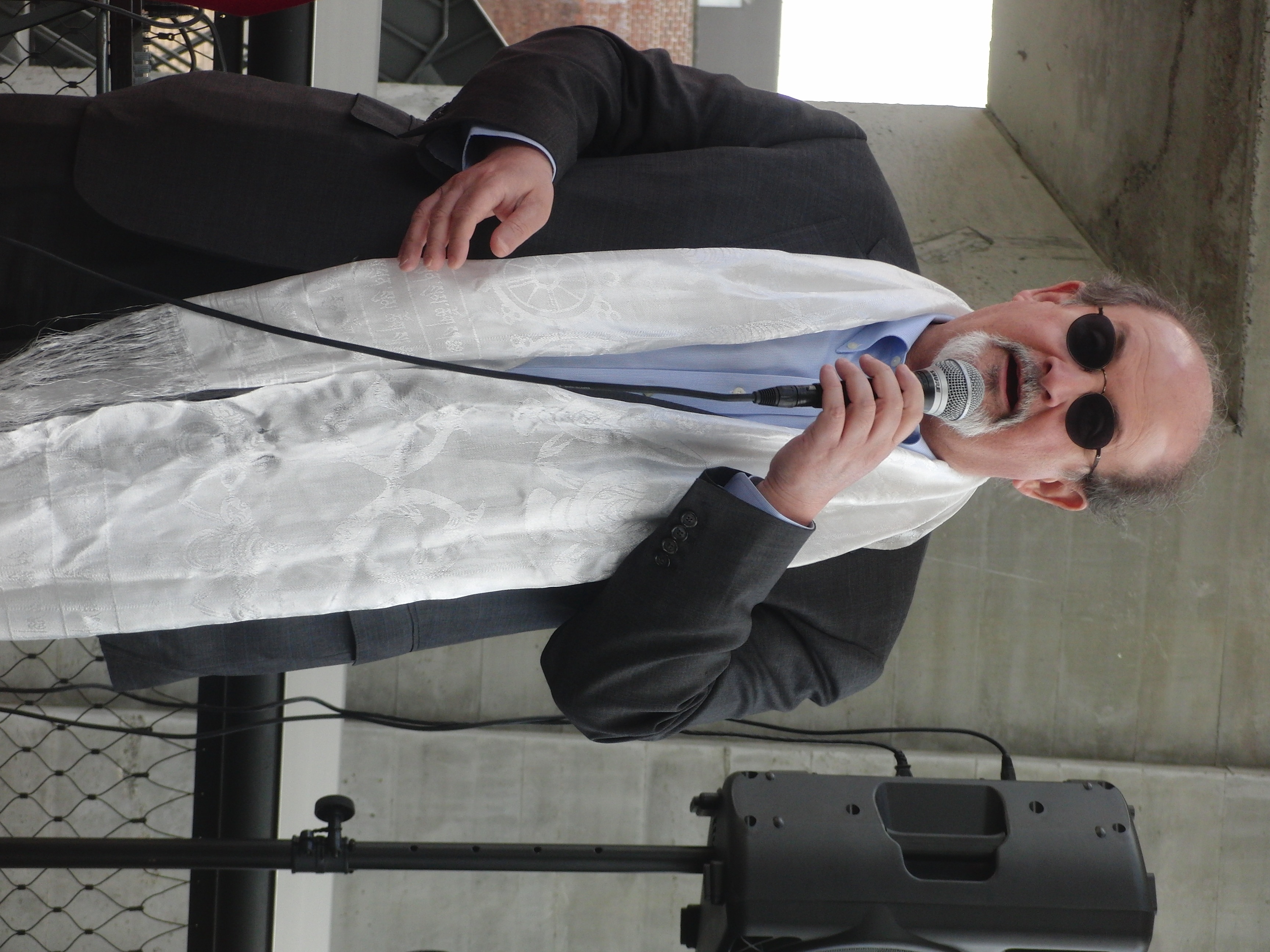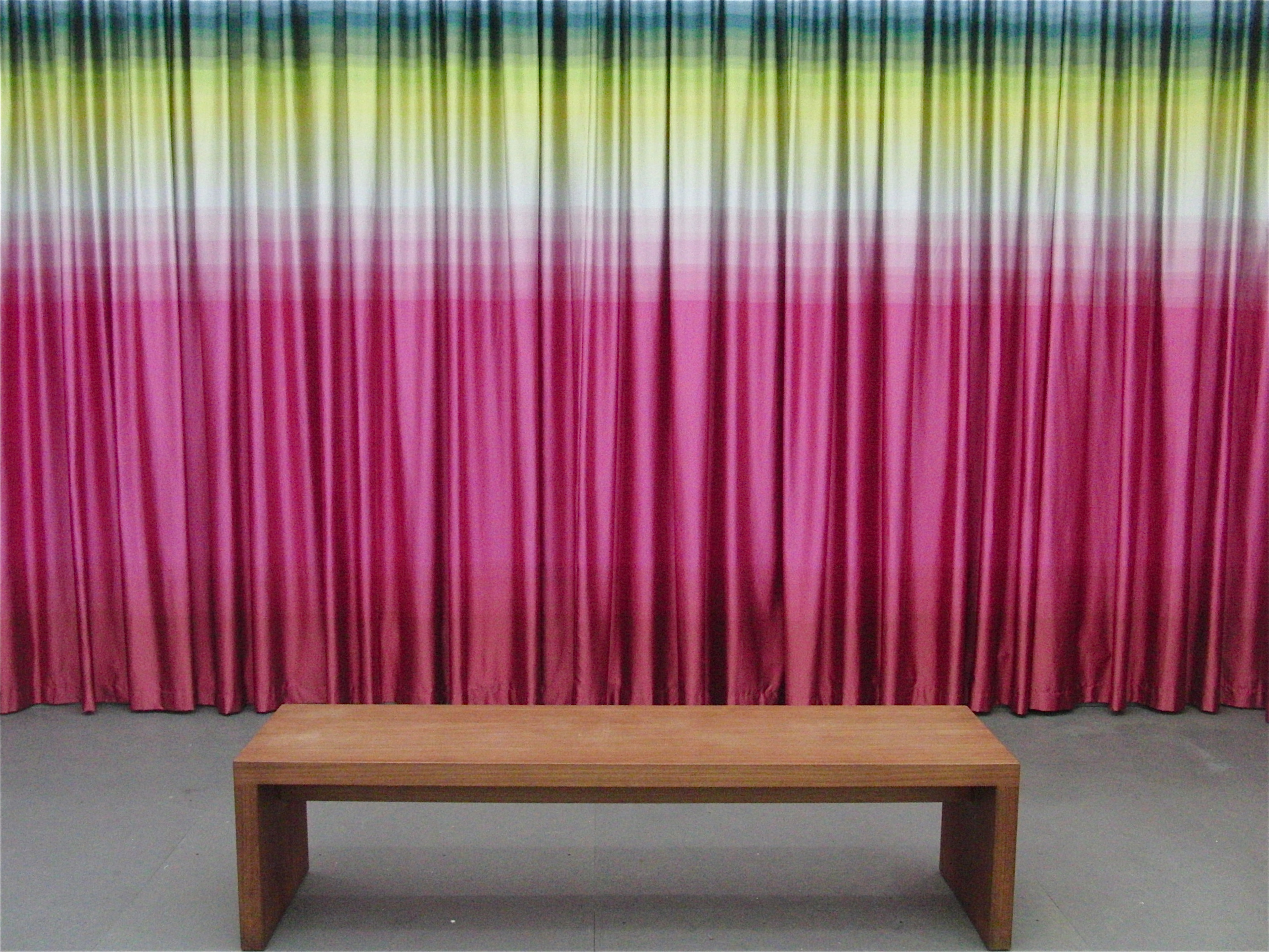
Olaf Nicolai’s “Why women like to buy textiles that feel nice” is part of Frieze’s New York unveiling (photo by twi-ny/mdr)
Randall’s Island Park
May 4-7, $40, 12 noon – 6:00 pm
646-346-2845
friezenewyork.com
frieze art fair new york slideshow
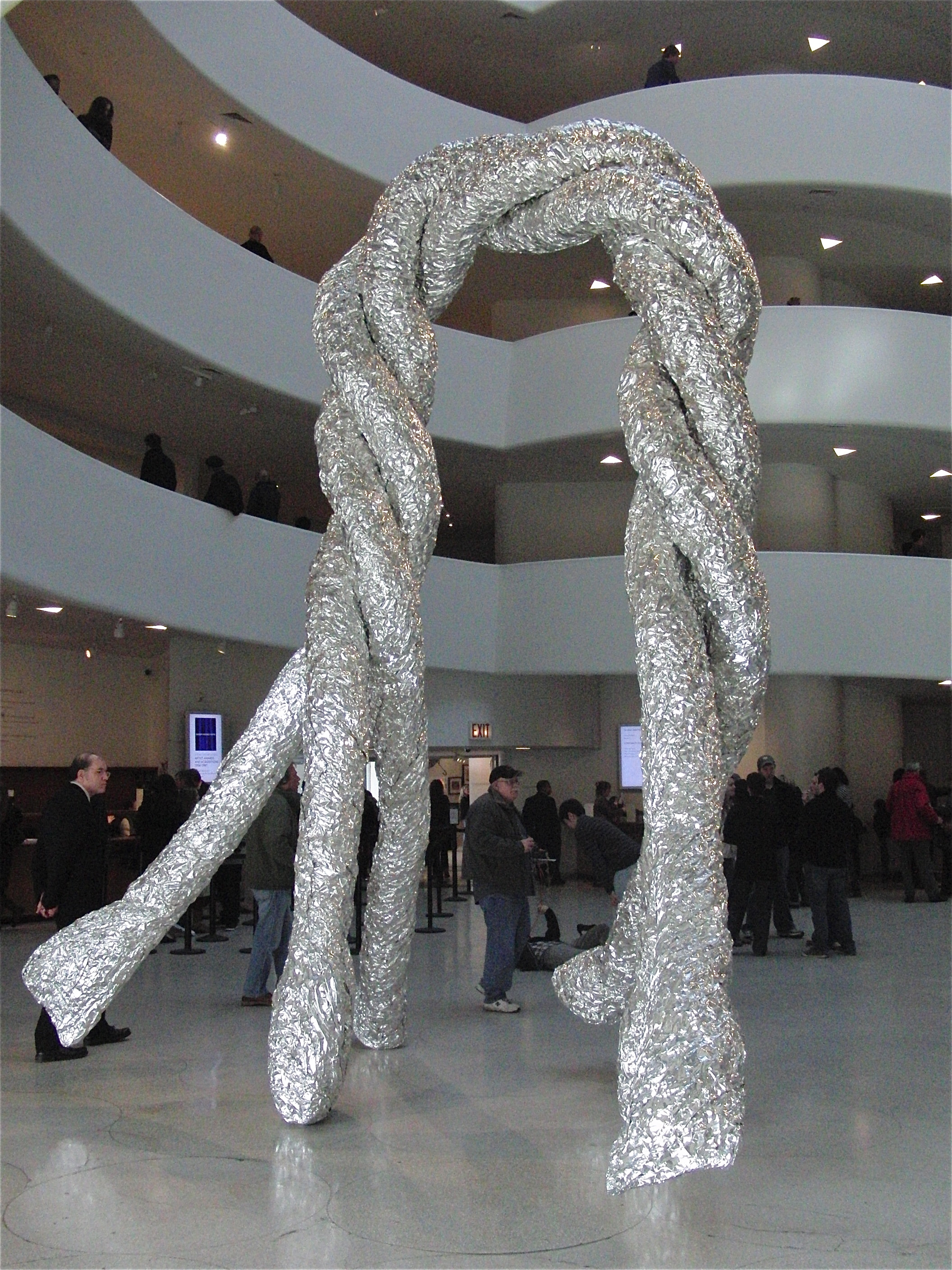
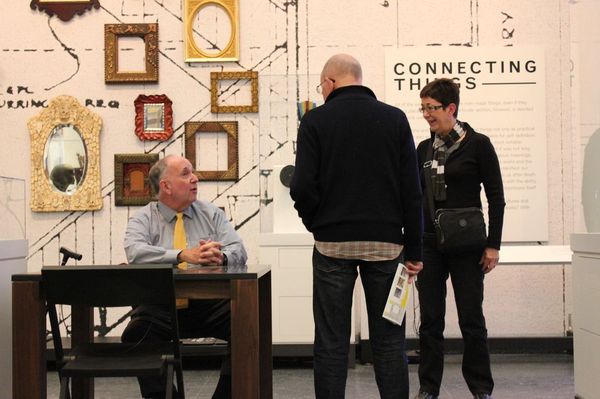
The highly touted Frieze Art Fair made its debut in London in 2003, and for the first time it has moved across the Atlantic for a New York edition, which continues through Monday. Taking place on Randall’s Island, Frieze New York is set inside a long white tent, with a handful of specially commissioned projects on the surrounding grass. It’s more or less a standard art fair, with familiar American and British galleries alongside a smattering from other countries, showing contemporary sculpture, painting, drawing, video, photography, and installation. You never know whom you might bump into at these oh-so-chic events; we found ourselves greeting master chef Daniel Boulud and controversial artist Andres Serrano while wandering around on Sunday afternoon. Although there’s a lot to like about Frieze — especially that it’s spread out just enough to not get ridiculously overcrowded — we’re still trying to figure out what all of the excess hubbub is about. At $40 a ticket and an additional $40 if you want the catalog, it is certainly not cheap. Getting there does require either ferry service from Midtown East or special bus service, but it is not nearly as treacherous as one might expect. As for the art itself, you can view our online slideshow here to see some of our favorites. If you do go on Monday, be sure to check out Taryn Simon’s talk at 1:00 about her new MoMA exhibit, “A Living Man Declared Dead and Other Chapters I–XVIII,” while map lovers should enjoy the 3:00 panel discussion “Collection Cartographies.”
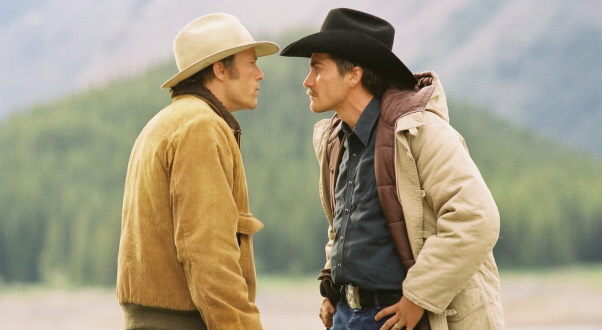
 >In the summer of 1963, two cowboys head up Brokeback Mountain in Wyoming to watch over a herd of sheep. Ennis Del Mar (an outstanding Heath Ledger) and Jack Twist (Jake Gyllenhaal) have never met before, but it doesn’t take long for them to jump into each other’s arms when it gets mighty cold up there. Their brief but powerful affair haunts them when they each return to their lives — Ennis marries his fiancee, Alma (Michelle Williams), and starts a family, while Jack settles down with Lureen (Anne Hathaway) in a clearly loveless relationship. As time moves on, their desperate need to be together only grows stronger — and more dangerous. Based on Annie Proulx’s New Yorker story and directed by Ang Lee (Hulk, The Ice Storm, Crouching Tiger, Hidden Dragon), Brokeback Mountain is an emotional tale of forbidden love that will break your heart. However, it’s not quite as great as you’ve heard; Ennis and Jack’s physical relationship starts way too soon, without enough buildup, and Lee doesn’t quite know how to end it (it’s at least twenty minutes too long). But he gets one heckuva wrenching performance from Ledger as a tough man afraid to let go of traditional values and follow his dreams. Brokeback Mountain is screening May 3 and 6 at MoMA as part of the series “Focus Features: 10th Anniversary Salute,” which pays tribute to the New York-based distributor responsible for such cutting-edge independent films as Michel Gondry’s Eternal Sunshine of the Spotless Mind, Gus Van Sant’s Milk, Lisa Cholodenko’s The Kids Are All Right, and David Cronenberg’s Eastern Promises, all of which are part of this festival, which runs May 3-20. The May 3 screening of Brokeback Mountain will be followed by a Q&A by longtime Lee producer and Focus Features CEO James Schamus.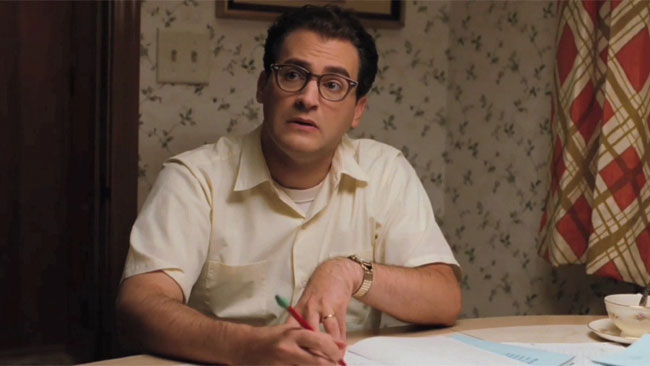
 The Coen brothers take their unique brand of dry, black comedy to a whole new level with A Serious Man. Poor Larry Gopnik (a remarkably even-keeled Michael Stuhlbarg) just keeps getting dumped on: His wife, Judith (Sari Lennick), wants to leave him for, of all people, touchy-feely Sy Ableman (Fred Melamed); his brother, Arthur (Richard Kind), keeps hogging the bathroom so he can drain his cyst; his son, Danny (Aaron Wolf), won’t stop complaining that F-Troop isn’t coming in clearly and is constantly on the run from the school drug dealer (Jon Kaminsky Jr.); his daughter, Sarah (Jessica McManus), wants to get a nose job; one of his students (David Kang) has bribed him for a passing grade; his possible tenure appears to be in jeopardy; and he gets no help at all from a series of funnier and funnier rabbis. But Larry keeps on keepin’ on in the Jewish suburbs of Minnesota in 1967, trying to make a go of it as his woes pile higher and higher. Joel and Ethan Coen have crafted one of their best tales yet, nailing the look and feel of the era, from Hebrew school to Bar Mitzvah practice, from office jobs to parking lots, from the Columbia Record Club to transistor radios, from television antennas to the naked neighbor next door. The Coens get so many things right, you won’t mind the handful of mistakes in the film, and because it’s the Coens, who’s to say at least some of those errors weren’t intentional? A Serious Man is a seriously great film, made by a pair of seriously great filmmakers. And while you don’t have to be Jewish and from Minnesota to fall in love with it, it sure can’t hurt. A Serious Man is screening May 3 and 4 at MoMA as part of the series “Focus Features: 10th Anniversary Salute,” which pays tribute to the New York-based distributor responsible for such cutting-edge breakthrough independent films as Ang Lee’s Brokeback Mountain, Fernando Meirelles’s The Constant Gardener, Roman Polanski’s The Pianist, and Sofia Coppola’s Lost in Translation, all of which are part of this festival, which runs May 3-20.