ATHENA FILM FESTIVAL
Barnard College
117th St. & Broadway
February 7-10, $12 per screening, $65 all access pass ($20 for students)
www.athenafilmfestival.com
The third annual Athena Film Festival returns to Barnard College this week, consisting of four days that celebrate women and leadership with film screenings, workshops, panel discussions, and other special events. Created by Kathryn “Kitty” Kolbert, director of the Athena Center for Studies at Barnard, and Melissa Silverstein, founder of Women and Hollywood, the festival runs February 7-10, presenting such shorts, features, and documentaries, primarily by and about women, as Sara Lamm and Mary Wigmore’s Birth Story: Ina May Gaskin and the Farm Midwives, which examines birthing methods from the 1970s to the present; Cecilia Peck’s Brave Miss World, about a former Miss World fighting for victims of physical and sexual abuse; Margarethe von Trotta’s Hannah Arendt, a biopic about the highly influential political philosopher and writer; and Bonnie McFarlane’s Women Aren’t Funny, in which stand-up comedian McFarlane and her comedian husband, Rich Vos, explore the world of women in comedy. Most of the screenings will be followed by Q&As with the filmmakers, subjects, and experts in the field, including Fishman, Peck, McFarlane, Fran Drescher, and many others. Among the free, ticketed talks are “A Hollywood Conversation with Gale Anne Hurd,” honoring this year’s winner of the Laura Ziskin Lifetime Achievement Award, and “In Her Voice: Women Directors Talk Directing,” with directors Gini Reticker, Agnieszka Vosloo, Aviva Kempner, Courtney Hunt, Jodie Markell, and Emily Abt. This year’s Athena Award winners are director and distributor Ava DuVernay, film critic Molly Haskell, Film Society of Lincoln Center executive director Rose Kuo, and Paley Center for Media president and CEO Pat Mitchell. Kolbert and Silverstein recently discussed the festival and its growing impact via e-mail.
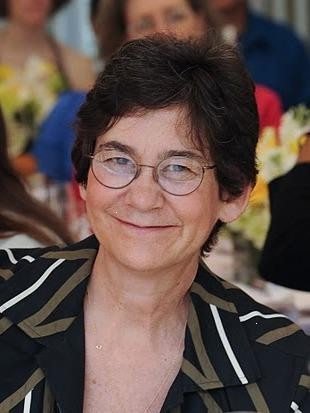
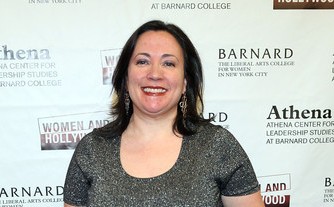
Kitty Kolbert (above) and Melissa Silverstein (below) are cofounders of the Athena Film Festival
twi-ny: The third annual Athena Film Festival begins on February 7. What did you learn from the first two years, and how has that affected this year’s event?
KK & MS: We learned that there was a real hunger for a conversation about women’s leadership and that film is a wonderful media to jump-start that conversation. We learned how important it is for women and girls to have role models and also for men to see women leading in a wide variety of circumstances. We also learned that talking about women’s leadership should not be like taking medicine, so we look for movies that get the point across with humor and with inspiration.
twi-ny: What has been the general reaction of the film industry to the festival? Do you see the overall attitude toward women, in all aspects of the business, changing, or is it still an old (white) boys network?
KK & MS: There are women working at all levels of the business, but most of the top leaders and decision makers continue to be men. Amy Pascal [of Sony] is still the only female studio chief. It’s changing but very slowly.
twi-ny: Melissa, a few weeks ago you wrote on “Women and Hollywood” about the sexist treatment of Kathryn Bigelow in the media over various Zero Dark Thirty controversies, explaining that it “smells like shit.” It’s one thing to help develop more woman writers, editors, directors, actors, producers, techs, etc., but what can be done about the media’s role in all of this?
MS: One of the things we need to do is to keep talking about these issues. Kathryn Bigelow is a unique situation, and her experience lends to a much-needed conversation about the status of women directors in Hollywood. When there is only one woman and she gets treated the way she does people notice.
twi-ny: This year’s Laura Ziskin Lifetime Achievement Award is going to Gale Anne Hurd. Are women like Ms. Hurd and the late Ms. Ziskin anomalies in the film world, or do you see a new generation of such talented women on the horizon?
KK & MS: Producing is one of the places where you see amazing women making movies at all levels of the business. Gale Anne is one of the best, and she has had an amazingly prolific career making films that break stereotypes. She’s at the top of her class and other producers both male and female should learn from her, especially how she has been able to transition between TV and film because that is vital nowadays.
twi-ny: Kitty, along those lines, do you envision a time when leadership programs for women, such as the Athena Center, will be unnecessary?
KK: We have a very long way to go. In the U.S., women are leaders in only 18-22% of most industries. Among Fortune 500 companies and in Hollywood it is much less. And of course it varies considerably across the globe. I certainly believe that there will be plenty of work ahead for the next several generations.
twi-ny: What are some of the films at this year’s festival that you’re most looking forward to?
KK & MS: We have a particularly strong lineup this year. We are so unique because we have films that have wide distribution, such as Beasts of the Southern Wild and Brave, to films that many people would not be able to see. We hope your readers will come spend the weekend with us.

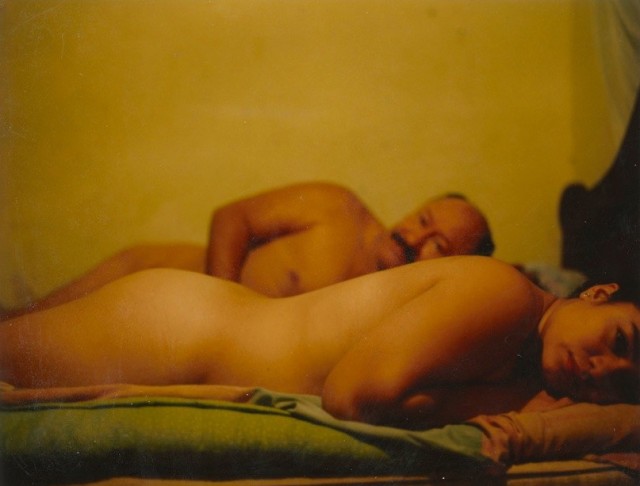
 Brazilian filmmaker Alejandro Landes’s minimalist Porfirio begins and ends with close-up shots of the title character, Porfirio Ramírez Aldana, taken slightly from below by cinematographer Thimios Bakatakis, focusing on the upper half of the man’s bare body, which is paralyzed from the waist done. Porfirio looks around as if he’s lost in a world that has let him down, and indeed it has. In the film, which opens theatrically at MoMA on February 8 for a one-week engagement, Porfirio plays himself, a Colombian father who was paralyzed by a policeman’s bullet and now lives a hard life selling minutes on his cell phone and needing the help of his eldest son, Lissin (played by his youngest son, Jarlisson Ramírez Reinoso), and neighbor/lover, Jasbleidy (real-life neighbor Yor Jasbleidy Santos Torres), just to get through every day. Landes uses natural light and sound and no score to add reality to the true story of a once-proud man now imprisoned in his wheelchair and getting the runaround from the state regarding compensation he feels he is owed. Landes (Cocalero) keeps the tale purposefully vague, never giving the details of the legal case or how and why Porfirio was shot, instead telling the story through Porfirio’s mesmerizing eyes, which are filled with a beguiling mixture of pain and mystery. “In one of the deepest moments of the film, Porfirio gazes out the window of his bedroom and, I dare say, we can peak into his very soul,” Landes, who spent five years with his subject, explains in the film’s production notes. “It was the second shot on the first day of the shoot. Although I think we captured many other fine moments, I must admit none matched a shining innocence I saw in his eyes that first day.” Landes was drawn to Porfirio’s story after reading about the extraordinary thing he did, which made him famous in South America and around the world, earning him the nickname the Air Pirate, but the director doesn’t delve into those details either. There’s no past or future for Porfirio, only the present for a compelling man desperate to regain his dignity. Landes will be at MoMA on opening night to participate in a discussion following the 7:00 screening of this small gem.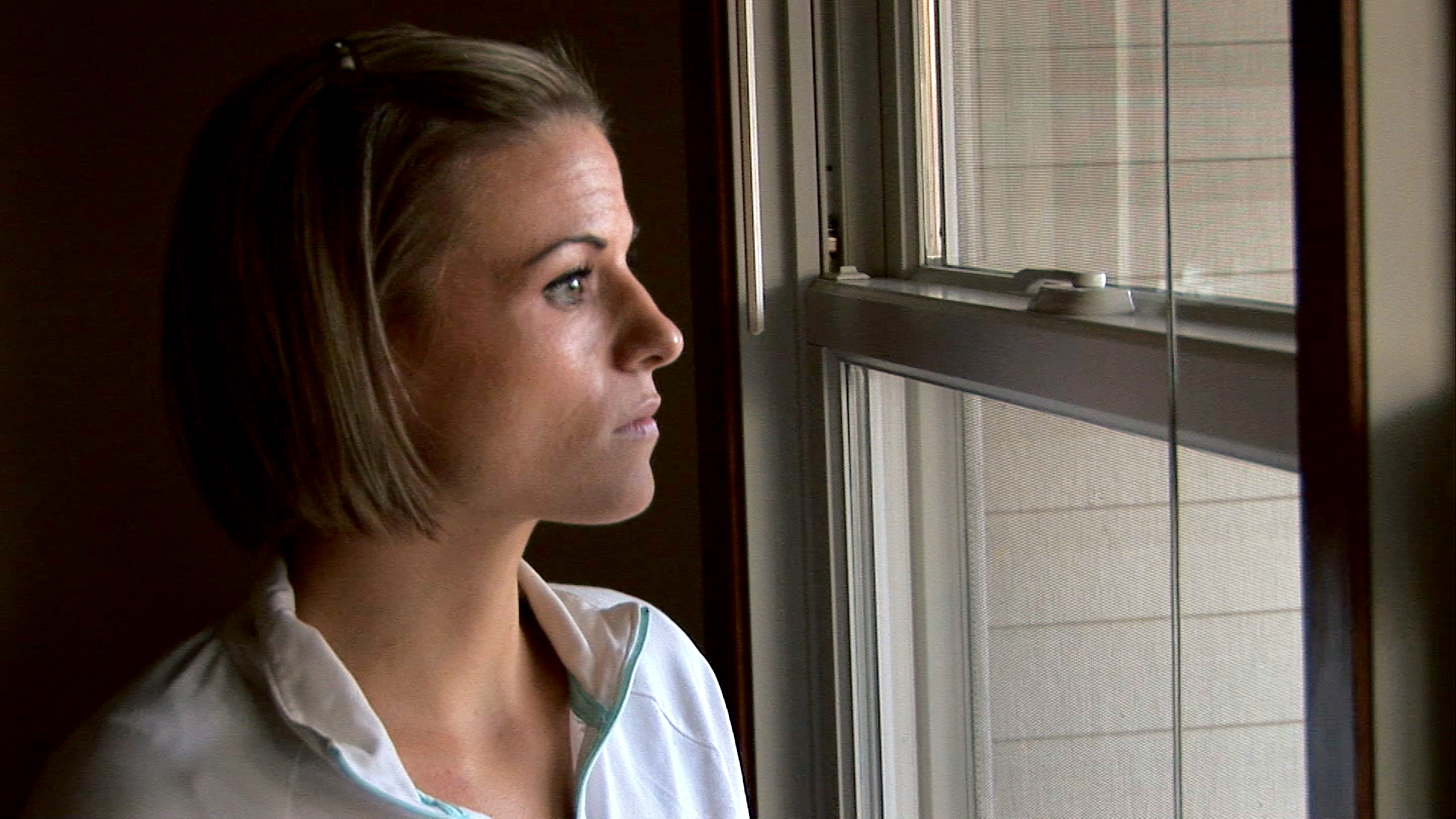
 Kirby Dick’s The Invisible War is one of the bravest, most explosive investigative documentaries you’re ever likely to see. Dick (This Film Is Not Yet Rated) busts open the military’s dirty little secret, revealing that episodes of horrific sexual abuse such as the Tailhook scandal are not an aberration but a prime example of a rape epidemic that seems to an accepted part of military culture. Dick speaks with many women and one man who share their incredible stories, describing in often graphic detail the sexual abuse they suffered, then faced further abuse when they reported what had happened. Their superiors, some of whom were the rapists themselves, either looked the other way, laughed off their allegations as no big deal, or threatened the victims’ careers. Dick includes remarkable Defense Department statistics — the government admits that approximately one out of every five female soldiers suffers sexual abuse and that there were nineteen thousand violent sex crimes in 2010 alone — even as such military officials as Dr. Kaye Whitley, Rear Admiral Anthony Kurta, and Brigadier General Mary Kay Hertog make absurd claims that they are satisfied with the way they are handling the alarming trend. The central figure in the film is Kori Cioca, a former member of the Coast Guard whose face was broken when she was raped by a superior and now keeps getting denied necessary medical services from the VA. Such courageous women as USAF Airman 1st Class Jessica Hinves, former Marine Officer Ariana Klay, USN veteran Trina McDonald, USMC Lieutenant Elle Helmer, USN Lieutenant Paula Coughlin, and even Special Agent Myla Haider of the Army Criminal Investigation Command also open up about the physical and psychological damage the abuse has left on their lives and careers. Inspired by Helen Benedict’s 2007 Salon.com article “The Private War of Women Soldiers,” Dick and producer Amy Ziering (The Memory Thief) have presented a searing indictment of an endemic military culture that has to come to an end, and fast. The Invisible War, which earned Dick and Ziering this year’s Nestor Almendros Award for courage in filmmaking at the Human Rights Watch Film Festival at Lincoln Center and has been nominated for a Best Documentary Academy Award, is screening February 10 at 12 noon as part of the third annual Athena Film Festival at Barnard College and will be followed by a Q&A with Dick and executive producers Maria Cuomo Cole and Regina Kulik Scully.