Fashion designer Isaac Mizrahi contemplates his future in fab documentary, Unzipped
UNZIPPED (Douglas Keeve, 1995)
Film Forum
209 West Houston St.
Thursday, June 13, 8:30
212-727-8110
filmforum.org
www.miramax.com
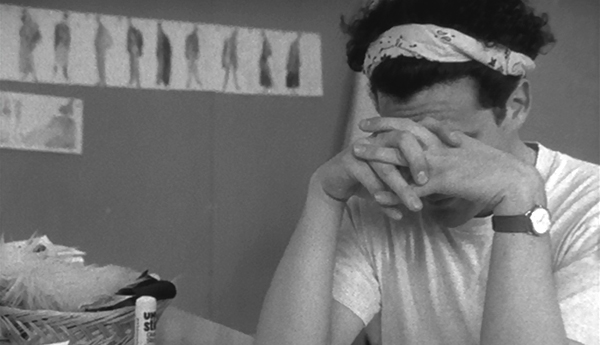
 About halfway through Unzipped, Douglas Keeve’s thrilling 1995 documentary, which follows fashion designer extraordinaire Isaac Mizrahi as he puts together his fall 1994 collection following a critical disaster, Mizrahi says, “Everything’s frustrating; every single thing is frustrating. Except designing clothes. That’s not frustrating. That’s really liberating and beautiful. I don’t know, being overweight and not being able to lose weight, you know, that’s a problem. Anything you’re really working hard at and that’s not working, that’s a problem. But frankly, designing clothes is never a problem.” Of course, the statement doesn’t exactly ring true as Mizrahi, usually with his trademark bandanna wound around his wild, curly hair, encounters his fair share of difficulties as he meets with Candy Pratts and André Leon Talley from Vogue and Polly Mellen from Allure, expresses his hopes and fears with Mark Morris, Sandra Bernhard, Eartha Kitt, and his mother, and works with such supermodels as Kate Moss, Naomi Campbell, Cindy Crawford, Shalom Harlow, Linda Evangelista, Carla Bruni, Christy Turlington, and Amber Valletta. Along the way he makes endless pop-culture references, singing the theme song from The Mary Tyler Moore Show, citing scenes from The Red Shoes, Marnie, Valley of the Dolls, and Whatever Happened to Baby Jane? and using Nanook of the North and The Call of the Wild as creative inspiration.
Mizrahi is a ball of neuroses throughout as he consults Ouija boards and Tarot cards to peek into his future and plays classical piano (Bach’s “The Well-Tempered Clavier,” Debussy’s “Clair de Lune”) to calm himself down. “I’m not that stressed out,” he says. “I hate when people tell me I’m stressed out.” In his first film, director Keeve (Seamless, Hotel Gramercy Park), who was dating Mizrahi at the time, and Oscar-winning cinematographer Ellen Kuras (Eternal Sunshine of the Spotless Mind, The Betrayal) switch from grainy black-and-white to color to sharp b&w as Mizrahi’s big show approaches, in which the major point of conflict is the designer’s desperate desire to use a scrim that will allow the high-powered audience to see the backlit silhouettes of the models as they change backstage, something not all the women, or his colleagues at Mizrahi & Co., are in favor of. The film opens with Mizrahi devastated by the reviews of his previous show and closes with him quietly examining the reviews for his fall collection; in between is a delightful look inside the crazy world of fashion. And then Mizrahi will have to do it all over again for the next season. Winner of the Audience Award at the 1995 Sundance Film Festival, Unzipped is having a special Pride Month screening at Film Forum on June 13 with Mizrahi present for a Q&A.
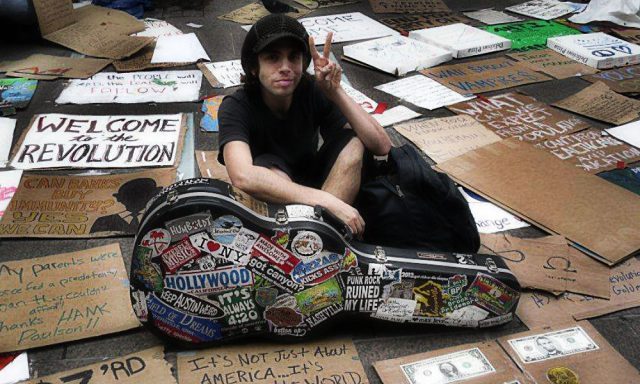
 Filmmaker Karen Kramer spent seven years on Renegade Dreamers, including four years following a group of young contemporary spoken word artists and protest singers. She could have done something better with her time. A longtime downtown New Yorker who made The Ballad of Greenwich Village in 2005, Kramer initially set out to make a documentary about the coffeehouse scene around MacDougal and Bleecker Streets in the 1950s and ’60s, and the sections of Renegade Dreamers about the post–World War II Beat poets and folk singers, including Allen Ginsberg, Bob Dylan, Jack Kerouac, Gregory Corso, Pete Seeger, Joan Baez, Len Chandler, and others, as well as Woody Guthrie, are terrific, with rarely seen archival footage that is stirring and exciting. She speaks with such key figures as Wavy Gravy, Hettie Jones, Eric Andersen, Ronnie Gilbert of the Weavers, Maria Muldaur, David Amram, Izzy Young, Tom Paxton, and Richie Havens (some interview footage was completed for her previous film), who share intimate stories about their struggle against McCarthyism, the Vietnam War, anti-unionism, consumerism, and conformity. “They considered progressive thinking to be anti-American,” Peter Yarrow says of 1960s mainstream America, something that is true again today.