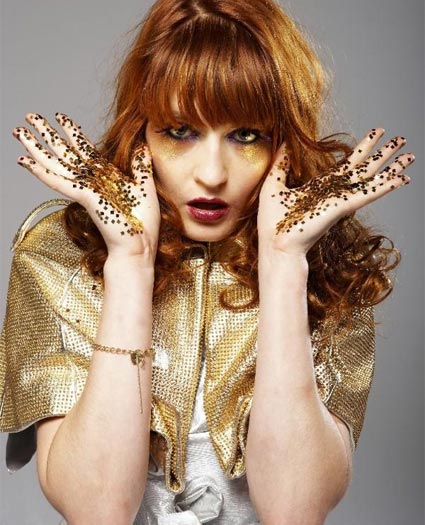
Florence + the Machine will be playing a free morning show and a benefit evening show June 23 in Rumsey Playfield
Once again twi-ny is putting together the easiest-to-use day-by-day calendar listings for this summer’s free concerts in New York City. This year’s shows include SummerStage, Celebrate Brooklyn!, Mad. Sq. Music, the BAM R&B Festival at MetroTech, Lincoln Center Out of Doors, the River to River Festival, the Naumburg Orchestral Concerts in Central Park, events in Hudson River Park and Bryant Park, the Beach Party series at the Seaport, Good Morning America and Today show concerts, the Metropolitan Opera Summer Recital Series, the On Stage series at Kingsborough Community College, the Washington Square Music Festival, and special programs on Governors Island, with more dates and locations to be added nearly every day.
Thursday, May 26
Celebrate Brooklyn! Bridge Dance Party: Epic Bhangra Masters Red Baraat and DJ Rekha, Brooklyn Bridge Park, 7:00
Friday, May 27
Good Morning America Concert Series: Lady Gaga, ticketed event, Rumsey Playfield, 7:00 am
Wednesday, June 1
Bryant Park After Work: Paul Dempsey, Fountain Terrace, 6:00
Thursday, June 2
BAM R&B Festival: George Clinton & Parliament Funkadelic, MetroTech, 12 noon
Friday, June 3
Good Morning America Concert Series: the Go-Go’s, Rumsey Playfield, 7:00 am
Today Show Toyota Concert Series: New Kids on the Block and the Backstreet Boys, Rockefeller Plaza, 7:00 am
Saturday, June 4
Red Hook Festival: Inspirit, La Roka RPM and Full Circle, Paul Josephs and Metrosonics, Tato Torres y Yerba Buena, the Famous Accordion Orchestra, and Aurora & Zon del Barrio, Louis J. Valentino Park & Pier, 11:00 – 7:00
Howl! Festival: International Street Cannibals, Ekayani and the Tom Glide Space, Timbila, Emily XYZ, the Living Theater, LJ Murphy, John S. Hall & Musicians, Church of Betty, Bina Shariff, Vangeline Theater, Ed Sanders & Steven Taylor, Tyler Burba, Arthur’s Landing, 2:00 – 7:00
Tuesday, June 7
SummerStage Music: Night at the Caravanserai: Tales of Wonder featuring Yo-Yo Ma, the Silk Road Ensemble, and Silk Road Connect Students and Friends, Rumsey Playfield, 6:30
CityParks Concerts: Salute to Hip-Hop featuring EPMD / Funkmaster Flex, Betsy Head Memorial Playground, 7:00
Wednesday, June 8
Bryant Park After Work: Andrew Atkinson Quartet, Fountain Terrace, 6:00
CityParks Concerts: Special Ed, Betsy Head Memorial Playground, 7:00
Thursday, June 9
BAM R&B Festival: Dionne Farris, MetroTech, 12 noon
Tropical Music Night: A Musical Tribute to Three Cultures . . . One Music (Salsa, Bachata, Merengue), with Domingo Quinones, Milly Quesada, 24 Horas, Plena Libre, Chris Alfinez, Miguel Cotto, DJ JI Starr, DJ Wreck, and more, South Street Seaport, Pier 17, 5:00 – 9:00
CityParks Concerts: B.T. Express / Rhythm Revue with Felix Hernandez, Betsy Head Memorial Playground, 7:00
Union Hall Street Thursdays: DJ Dubmaster Chris, Union Hall St. between Jamaica & Archer Aves., 6:00
Friday, June 10
Good Morning America Concert Series: Jennifer Hudson, Rumsey Playfield, 7:00 am
Today Show Toyota Concert Series: The Script, Rockefeller Plaza, 7:00 am
Celebrate Brooklyn! Andrew Bird, Prospect Park Bandshell, 8:00
Saturday, June 11
Big Apple Barbecue Block Party, with Bambi Kino (1:00), Guitar Shorty (2:45), and Dale Watson (4:30), Madison Square Park
Coheed and Cambria with Adrian Belew Power Trio and Tigers Jaw, Williamsburg Waterfront, East River State Park, 5:30
SummerStage Music: Blue Note Jazz Festival: Medeski Martin & Wood, Rumsey Playfield, 7:00
CityParks Concerts: Shlank Squad / Elite Force / Ladies of Hip-Hop / MAWU, Herbert Von King Park, 7:00
Sunday, June 12
Big Apple Barbecue Block Party, with Doug Wamble (1:00), Those Darlins (2:45), and Black Joe Lewis & the Honeybears (4:30), Madison Square Park
Tuesday, June 14
Celebrate Brooklyn! Benefit Concert: The Decemberists and Best Coast, Prospect Park Bandshell, $35, 7:00
CityParks Concerts: Tye Tribbett, Herbert Von King Park, 7:00
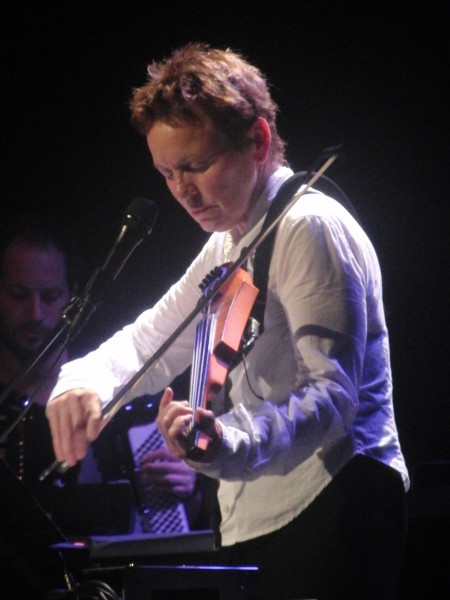
Laurie Anderson will team up with Bill Laswell at Castle Clinton on June 30 (photo by twi-ny/mdr)
Wednesday, June 15
Bryant Park After Work: David Berkeley, Fountain Terrace, 6:00
CityParks Concerts: Nice and Smooth / The Awesome 2, Herbert Von King Park, 7:00
Thursday, June 16
BAM R&B Festival: Geri Allen and Timeline, MetroTech, 12 noon
Union Hall Street Thursdays: Mambo Negro, Union Hall St. between Jamaica & Archer Aves., 6:00
CityParks Concerts: Jon B / Olivia, Herbert Von King Park, 7:00
Celebrate Brooklyn! Hal Willner’s Freedom Riders Project, Prospect Park Bandshell, 7:00
Friday, June 17
Good Morning America Concert Series: Selena Gomez, Rumsey Playfield, 7:00 am
Today Show Toyota Concert Series: Kenny Chesney, Rockefeller Plaza, 7:00 am
Friday, June 17, and Saturday, June 18CityParks Concerts: “Indomitable: James Brown” featuring Burnt Sugar the Arkestra Chamber / Brandon Victor Dixon, Herbert Von King Park, 8:00
Saturday, June 18
Crest Fest ’11: Crest Hardware Art Show presents the Suzan, Gunfight!, Emefe, and Little Victory, with DJs Dom Rocket, King Cut, Nick Catchdubs, Peter Hale, Lucas Walters, Krunk Pony, Synapse, Rok One, and Fat & EZ, 558 Metropolitan Ave., 1:00 – 7:00
Sunday, June 19
River to River: Bang on a Can Marathon, with Philip Glass, Bryce Dessner, Glenn Branca, Sun Ra Arkestra, the Asphalt Orchestra, Signal, WFC, 12 noon – 12 midnight
CityParks Concerts: Brooklyn Teen Family Day Featuring: Black Girls Rock! / Phony PPL / Bed Stuy Veterans / Urban Word NYN / Brooklyn Steppers, Herbert Von King Park, 3:00
Monday, June 20
Naumburg Orchestral Concerts: The Knights, Naumburg Bandshell, Central Park, 7:30
Tuesday, June 21
River to River: Group, New York Stock Exchange, Wall St. at Broad St., 12:30
River to River: Ivan & Alyosha, acoustic, One New York Plaza, 12:30
River to River: Hoketus, with members of the International Contemporary Ensemble, Federal Hall, Wall St., 1:00
River to River: Ivan & Alyosha, full band, WFC Plaza, 5:30
Hudson Square Music & Wine Festival: Backyard After Work Party with Mike Doughty, City Winery Back Parking Lot, 155 Varick St., 5:30
CityParks Concerts: Talib Kweli, Red Hook Park, 7:00
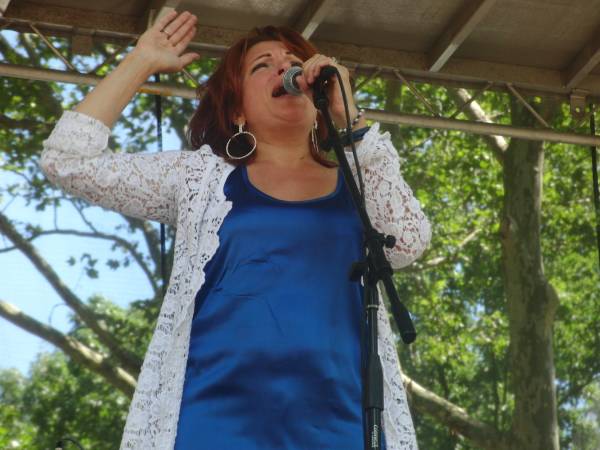
Rosanne Cash will take part in a special tribute to the Bottom Line on June 22 in Rockefeller Park (photo by twi-ny/mdr)
Wednesday, June 22
River to River: Rebecca Jordan, Zuccotti Park, 12:30
Bryant Park After Work: Yvonnick Prene Quintet, Fountain Terrace, 6:00
River to River: Bottom Line — NY on My Mind, with Rosanne Cash, Marshall Crenshaw, Willie Nile, Martin Rivas, Suzzy Roche and Lucy Wainwright Roche, Loudon Wainwright III, Dar Williams, music director John Leventhal, and house band Mojo Mancini, with New York City stories read by Christine Lavin and Vin Scelsa, hosted by Meg Griffin, Rockefeller Park, 7:00
Mad. Sq. Music: The Oval Lawn Series — Tift Merritt, Madison Square Park, 7:00
CityParks Concerts: Ozomatli, Red Hook Park, 7:00
SummerStage Music: Reggie Watts and Natasha Leggero, Rumsey Playfield, 7:30
Thursday, June 23
BAM R&B Festival: A Day in Treme: The Musical Majesty of New Orleans, MetroTech, 12 noon
Union Hall Street Thursdays: York College Blue Notes, Union Hall St. between Jamaica & Archer Aves., 6:00
River to River: Vijay Iyer, Castle Clinton, 7:00
CityParks Concerts: We Are Scientists / Milagres, Red Hook Park, 7:00
Celebrate Brooklyn! Ledisi and Anthony David, Prospect Park Bandshell, 7:30
Friday, June 24
Good Morning America Concert Series: Florence & the Machine, Rumsey Playfield, 7:00 am
Today Show Toyota Concert Series: Bruno Mars, Rockefeller Plaza, 7:00 am
SummerStage Music Benefit: Florence & the Machine, Rumsey Playfield, $35, 6:30
River to River: The Ghost of a Saber Tooth Tiger, South Street Seaport, Pier 17, 7:00
CityParks Concerts: Reggie Watts / DJ Stormin’ Norman, Red Hook Park, 7:00
Celebrate Brooklyn! Roy Hargrove Quintet, the Badwagon featuring Jason Moran’s Bandwagon & the Bad Plus, Prospect Park Bandshell, 7:30
Saturday, June 25
Fort Greene Festival: Mos Def, Sophia Urista, Paperdoll, Game Rebellion, Navegante, Res, Mariella, Medina Green, and Clarke, Fort Greene Park, 12 noon – 10:00 pm
SummerStage Music: Lee Fields & the Expressions and Fitz & the Tantrums, Rumsey Playfield, 3:00
Celebrate Brooklyn! the Heavy, the London Souls, and Superhuman Happiness, Prospect Park Bandshell, 7:00
Sunday, June 26
River to River: Sound Bites Summer Series with My Teenage Stride, Fulton Stall Market, South Street Seaport, 2:00
SummerStage Music: Hugh Masekela, Rumsey Playfield, 3:00
Tuesday, June 28
River to River: Emmet Cohen, One New York Plaza, 12:30
Hudson Square Music & Wine Festival: Backyard After Work Party with the New York Gypsy All-Stars, City Winery Back Parking Lot, 155 Varick St., 5:30
River to River: New York City Opera — Rufus Wainwright Goes to the Opera!, with New York City Opera singers and pianist Kevin Murphy premiering songs from his upcoming opera, Prima Donna, WFC Winter Garden, 7:00
CityParks Concerts: “Salute to Hip-Hop” featuring Funkmaster Flex and special guests, Soundview Park, 7:00
Wednesday, June 29
River to River: Eric Walton: Esoterica, Zuccotti Park, 12:30
Bryant Park After Work: Danica Dora, Fountain Terrace, 6:00
Mad. Sq. Music: The Oval Lawn Series — Dale Ann Bradley, the Steel Wheels, Madison Square Park, 6:00
River to River: Chrisette Michele, Rockefeller Park, 7:00
CityParks Concerts: Larry Harlow and the Latin Legends Band, Soundview Park, 7:00
Thursday, June 30
BAM R&B Festival: Bobbi Humphrey, MetroTech, 12 noon
River to River: Emmet Cohen, WFC Plaza, 5:30
Music in the Square: Metermaids, Union Square Park, Million Dollar Quartet, 4:30, and the Aviation Orange, 6:00
CityParks Concerts: Hector Tricoche / Chris Alfinez, Soundview Park, 7:00
Celebrate Brooklyn! Justin Townes Earle, Punch Brothers, the Hackensaw Boys, Prospect Park Bandshell, 7:00
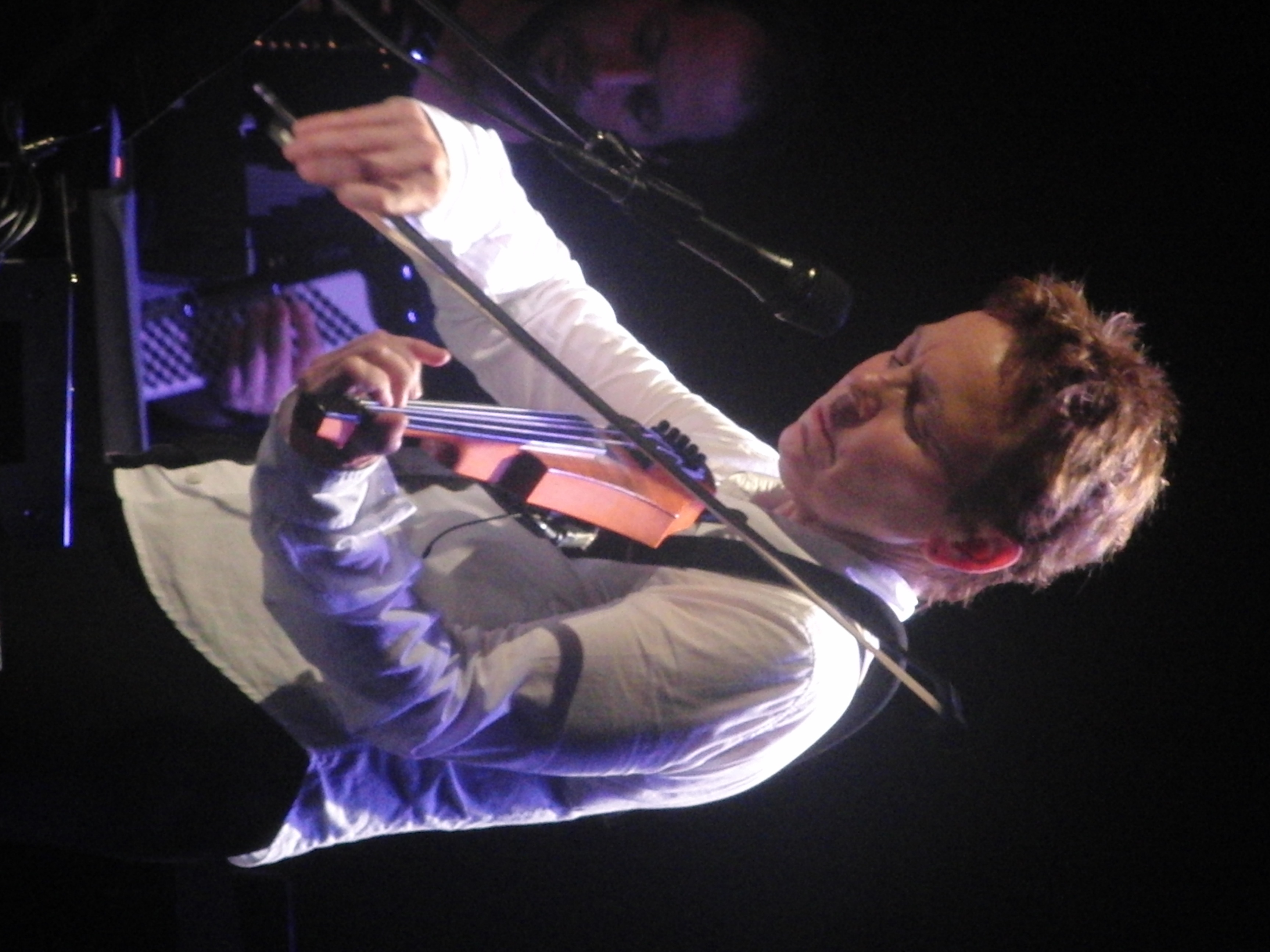
River to River: Laurie Anderson and Bill Laswell, Castle Clinton, 7:00
Central Astoria Independence Celebration: Astoria Symphony and Grucci fireworks, Astoria Park, 7:30
Fourth of July Fireworks Concert: Alive N Kickin’, Orchard Beach, 8:00
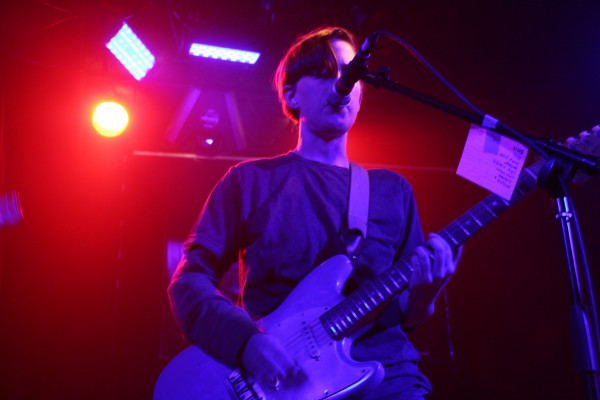
Lower Dens will headline a River to River show at the South Street Seaport on July 1 (photo by twi-ny/mdr)
Friday, July 1
Good Morning America Concert Series: Beyonce, Rumsey Playfield, 7:00 am
Today Show Toyota Concert Series: Pitbull featuring T-Pain and Ne-Yo, Rockefeller Plaza, 7:00 am
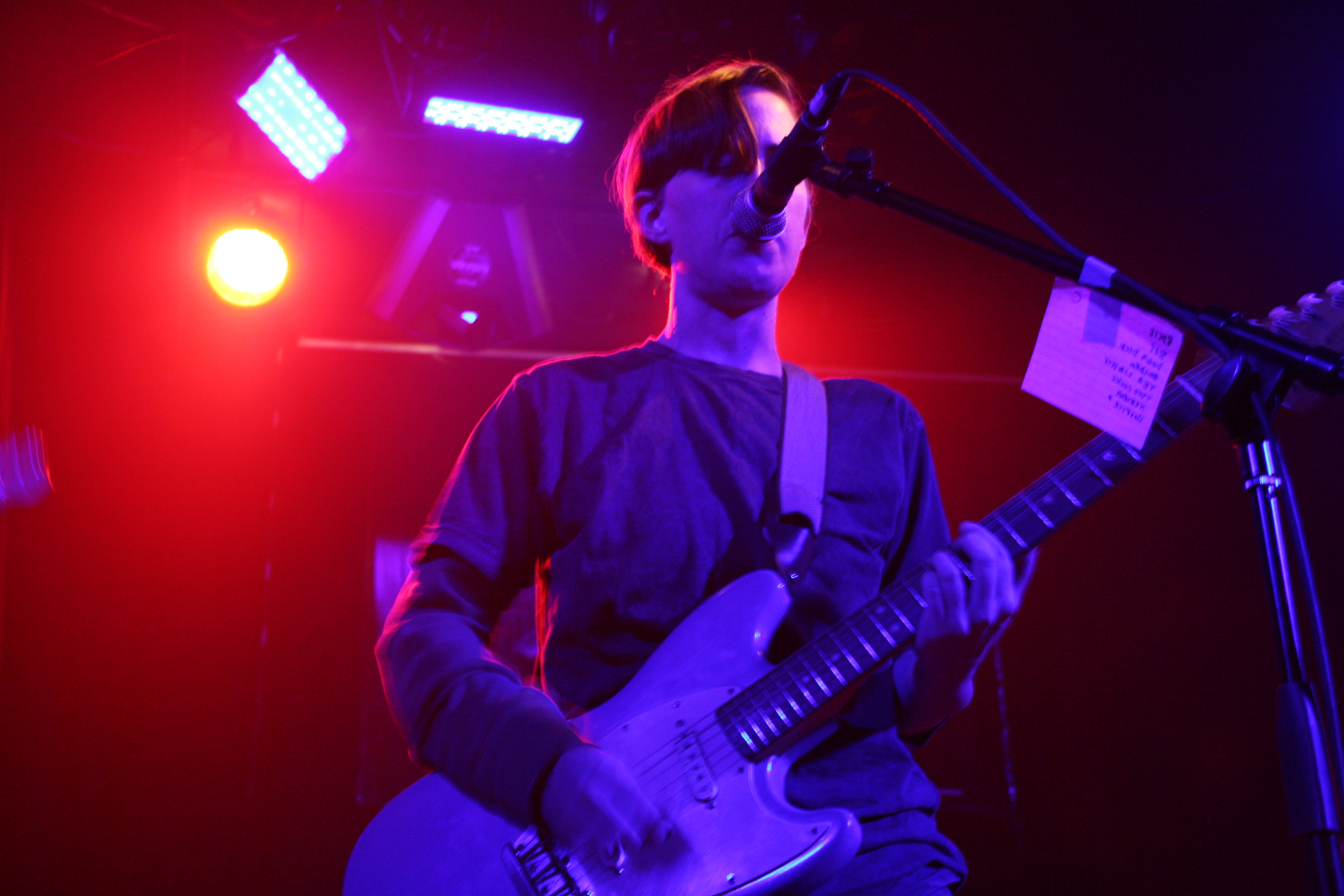
River to River: Lower Dens and Dirty Beaches, Pier 17, South Street Seaport, 7:00
Celebrate Brooklyn! Steel Pulse and Natural Expression Rhythm Band, Prospect Park Bandshell, 7:30
Saturday, July 2
River to River: Running of the Stocks, Broad & Wall Sts., 1:00
Rite of Summer Music Festival: Terry Riley’s “In C,” with more than forty musicians led by piano impresario Jed Distler, Colonel’s Row, Governors Island, 1:00 & 3:00
River to River: TriBattery Pops: Independence Day Weekend Celebration, Zuccotti Park, 2:00
Hot Summer Nights: Brooklyn Community Wind Ensemble & Concert Band, Stars and Stripes Forever Concert, Kingsborough Community College, 2001 Oriental Blvd, Brooklyn, 8:00
Sunday, July 3
River to River: Sound Bites Summer Series with the Hairs, Fulton Stall Market, South Street Seaport, 2:00
Tuesday, July 5
River to River: Sarlin Levine Ganz, One New York Plaza, 12:30
Hudson Square Music & Wine Festival: Backyard After Work Party with the Holmes Brothers, City Winery Back Parking Lot, 155 Varick St., 5:30
Wednesday, July 6
River to River: Michael Pemberton, Zuccotti Park, 12:30
Bryant Park After Work: ZigZag Quartet, Fountain Terrace, 6:00
Mad. Sq. Music: The Oval Lawn Series — Lionel Loueke Trio, Edmar Castaneda Trio plus special guest Andrea Tierra, Madison Square Park, 6:00
SummerStage Music: Jarabe de Palo, Ely Guerra, Novalima, and Mr. Pauer, Rumsey Playfield, 7:00
Summer of Music: Harlem Outdoor Music and Screening Series, with music by DJ Laylo & Eli Efi and screening of Jamel Shabazz: Street Photographer (Charlie Ahearn, 2011), Marcus Garvey Park, 7:00
River to River: Poets House featuring Jose James & Bobbi Humphrey, Rockefeller Park, 7:00
Thursday, July 7
BAM R&B Festival: RAM, MetroTech, 12 noon
Broadway in Bryant Park: Stomp, Baby It’s You, Sister Act, Zarkana, Bryant Park Lawn, 12:30 pm
River to River: Ellio Villafranca: Cuban Roots Cuban Soul, WFC Plaza, 5:30
Music in the Square: Sandel, Union Square Park, 6:00
River to River: My Brightest Diamond with yMusic, Castle Clinton, 7:00
Celebrate Brooklyn! Court Yard Hounds and the Abrams Brothers, Prospect Park Bandshell, 7:30
Friday, July 8
Good Morning America Concert Series: Miranda Lambert, Rumsey Playfield, 7:00 am
Today Show Toyota Concert Series: Blake Shelton, Rockefeller Plaza, 7:00 am
Passport Fridays: Ecuador, with dance by Ayezamana, music by Sal y Mileto, and screening of Prometeo Deportado (Fernando Mieles, 2010), Queens Museum, Flushing Meadows Corona Park, 6:30
River to River: The Wake and Weekend, Pier 17, South Street Seaport, 7:00
Celebrate Brooklyn! Los Lobos, Hello Seahorse! and Zigmat, Prospect Park Bandshell, 7:00
Saturday, July 9
Rockbeach: Penguin Prison, Wild Yaks, Janka Nabay & the Bubu Gang, and Monogold, Aviator Sports Complex, Brooklyn, advance registration required for show and $20 shuttle bus, 2:00 – 8:00
SummerStage Music: ChocQuibTown, Rita Indiana, Ursula 1000, and Que Bajo?!, Rumsey Playfield, 3:00
4Knots Kickoff Show: Ted Leo & the Pharmacists play The Tyranny of Distance, with Screaming Females, South Street Seaport, Pier 17, 6:00
Celebrate Brooklyn! Lyricist Lounge featuring Raekwon, Smif-N-Wessun, Joell Ortiz, and more, Prospect Park Bandshell, 7:30
Hot Summer Nights: The Danny Repole Swing Band, Seaside Swing Concert, Kingsborough Community College, 2001 Oriental Blvd, Brooklyn, 8:00
Sunday, July 10
River to River: Sound Bites Summer Series with pow wow!, Fulton Stall Market, South Street Seaport, 2:00
Beach Party: Cheeseburger, Beekman Beer Garden, Northside Pier 17, Beekman at South St., 3:00
MoonDance: David Berger Jazz Orchestra, swing dance lessons at 6:30, concert at 7:00, Hudson River Park, Pier 84, West 44th St.
Monday, July 11
Martin Luther King Jr. Concert Series: Maze featuring Frankie Beverly, Wingate Field, 7:30
Metropolitan Opera Summer Recital Series: Angela Meade, soprano; Dimitri Pittas, tenor; Jennifer Johnson Cano, mezzo-soprano; Bradley Moore, pianist, Central Park SummerStage, Rumsey Playfield, 8:00
Tuesday, July 12
Hudson Square Music & Wine Festival: Backyard After Work Party with Vernon Reid, City Winery Back Parking Lot, 155 Varick St., 5:30
Washington Square Music Festival: Opera in the Park, with Festival Chamber Orchestra performing Mozart’s “The Impresario” and Schubert’s “Unfinished Symphony,” conducted by Michael Spierman, Washington Square Park, 8:00
Celebrate Brooklyn! Benefit Concert: Animal Collective, Prospect Park Bandshell, $35, 6:30
Wednesday, July 13
River to River: Extraordinary Moves: Third Rail Projects: Looking Glass, Zuccotti Park, 12:30
Mad. Sq. Music: The Oval Lawn Series — Christian McBride & Inside Straight, Madison Square Park, 6:00
Bryant Park After Work: Shenandoah and the Night, Fountain Terrace, 6:00
River to River: All in Good Time: A Celebration for Jonathan Schwartz, hosted by and starring John Pizzarelli and Jessica Molaskey, Rockefeller Park, 7:00
Metropolitan Opera Summer Recital Series: Angela Meade, soprano; Dimitri Pittas, tenor; Jennifer Johnson Cano, mezzo-soprano; Bradley Moore, pianist, Brooklyn Bridge Park, 7:00
Thursday, July 14
BAM R&B Festival: Swamp Dogg, MetroTech, 12 noon
Broadway in Bryant Park: Chicago, Million Dollar Quartet, Catch Me If You Can, Newsical, Bryant Park Lawn, 12:30 pm
Music in the Square: Ava Luna, Union Square Park, 6:00
River to River: Patti Smith and her band, Castle Clinton, 7:00
Celebrate Brooklyn! Frankie Gavin & De Dannan, Liam Ó Maonlaí, and McPeake, Prospect Park Bandshell, 7:00
RiverRocks: tune-yArDs and Austra, Pier 54, Hudson River Park, West 14th St., 7:00
Seaside Summer Concerts: Joan Jett and the Blackhearts and Girl in a Coma, West 21st St. & Surf Ave., Coney Island, 7:30
Friday, July 15
Good Morning America Concert Series: Brad Paisley, Rumsey Playfield, 7:00 am
Today Show Toyota Concert Series: Chris Brown, Rockefeller Plaza, 7:00 am
Passport Fridays: Africa, with dance and music by Ballet African International and screening of Africa United (Debs Gardner-Paterson, 2010), Queens Museum, Flushing Meadows Corona Park, 6:30
River to River: The Radio Dept. and Asobi Seksu, Pier 17, South Street Seaport, 7:00
Celebrate Brooklyn! Shirley Caesar and Vy Higgensen’s Gospel for Teens Choir, Prospect Park Bandshell, 7:30
Friday, July 15, and Saturday, July 16
SummerStage Music: Special Commission Dance & Music with Vijay Iyer, Rumsey Playfield, 8:00
Saturday, July 16
River to River: Field Day, Governors Island, 11:00 am – 5:00 pm
River to River: MP3 Experiment, secret location, 1:00
Celebrate Brooklyn! Ezra Jack Keats Family Concert with Dan Zanes and the Brooklyn Youth Orchestra & Bed Stuy Veterans, Prospect Park Bandshell, 4:00
Village Voice 4 Knots Music Festival: Eleanor Friedberger, the Black Angels, Davila 666, Oberhofer, Titus Andronicus, and more, Pier 17, South Street Seaport, 1:00 – 8:00
Hot Summer Nights: Chestnut Brass Company, Opening Night Concert,, Kingsborough Community College, 2001 Oriental Blvd, Brooklyn, 8:00
Sunday, July 17
River to River: Sound Bites Summer Series with Hospitality, Fulton Stall Market, South Street Seaport, 2:00
Beach Party: Xray Eyeballs, Frankie Rose, Woven Bones, and Davila 666 (DJ set), Beekman Beer Garden, Northside Pier 17, Beekman at South St., 3:00
MoonDance: Los Hermanos Colon, salsa dance lessons at 6:30, concert at 7:00, Hudson River Park, Pier 84, West 44th St.
SummerStage Music: Pink Martini, Rumsey Playfield, 7:00
Monday, July 18
SummerStage Music Benefit: Levon Helm Band and Emmylou Harris with Special Guest Hayes Carll, Rumsey Playfield, $40-$50, 6;00
Martin Luther King Jr. Concert Series: Annual Gospel Night with Mary Mary, Wingate Field, 7:30
Tuesday, July 19
Hudson Square Music & Wine Festival: Backyard After Work Party with the Williamsburg Salsa Orchestra, City Winery Back Parking Lot, 155 Varick St., 5:30
El Club de Protesta: Popular protest songs updated by Pablo Helguera, Carlo Nicolau, Eleanor Dubinsky, and Sebastian Cruz, Tenth Ave. Square on the High Line, 6:30
Metropolitan Opera Summer Recital Series: Layla Claire, soprano; Renée Tatum, mezzo-soprano; Ryan Speedo Green, bass-baritone; Bradley Moore, pianist, Crotona Park, Bronx, 7:00
Washington Square Music Festival: The Joy of Unfamiliar Music, with Festival Chamber Ensemble and soloists performing Emmanuel Sejourne’s Concerto for Marimba and Strings, Luciano Berio’s Opus Number Zoo for speaker and wind quintet, and Corrado Maria Saglietti’s Suite for Alto Trombone and String Quartet, Washington Square Park, 8:00
Wednesday, July 20
Bryant Park After Work: Columbia Summer Winds, Fountain Terrace, 6:00
Mad. Sq. Music: The Oval Lawn Series — Red Horse with Eliza Gilkyson, John Gorka, and Lucy Kaplansky, Madison Square Park, 7:00
Thursday, July 21
BAM R&B Festival: Urban Guerilla Orchestra with special guest Miles Jaye, MetroTech, 12 noon
Broadway in Bryant Park: The Addams Family, Billy Elliot, Memphis, Rock of Ages, Voca People, Bryant Park Lawn, 12:30 pm
Music in the Square: Grooms, Union Square Park, 6:00
Metropolitan Opera Summer Recital Series: Layla Claire, soprano; Renée Tatum, mezzo-soprano; Ryan Speedo Green, bass-baritone; Bradley Moore, pianist, Clove Lakes Park, Staten Island, 7:00
Seaside Summer Concerts: An Evening with the Monkees with special guest MC Jay Black, West 21st St. & Surf Ave., Coney Island, 7:30
Celebrate Brooklyn! West Side Story Sing- & Dance-a-long, Prospect Park Bandshell, 8:00
Friday, July 22
Good Morning America Concert Series: Goo Goo Dolls, Rumsey Playfield, 7:00 am
Today Show Toyota Concert Series: Cee Lo Green, Rockefeller Plaza, 7:00 am
Passport Fridays: Haiti, with dance by the Legros Cultural Arts Dance Project, music by Jocelyne Dorismé, and screening of Children of Haiti (Alexandria Hammond, 2010), Queens Museum, Flushing Meadows Corona Park, 6:30
Celebrate Brooklyn! Seun Kuti & Egypt 80 and Faaji Agba, Prospect Park Bandshell, 7:30
Saturday, July 23
New Village Music Festival: Corona, El Pueblo, Alma Mia, Rob the Rockstar, Mitchell Grey, Papito Sur4, Lu Fly, Daso y El Grupo Cemi, Marlex y Denzel, Tompkins Square Park, 12 noon – 6:00 pm
Celebrate Brooklyn! The Feelies, Real Estate, and Times New Viking, Prospect Park Bandshell, 7:00
Hot Summer Nights: The Birdland Big Band, Around the World in Jazz, with guest violinist Ali Bello, Kingsborough Community College, 2001 Oriental Blvd, Brooklyn, 8:00
Sunday, July 24
Rockbeach: Death Grips, Bass Drum of Death, Miracles Club, Night Manager, Aviator Sports Complex, Brooklyn, advance registration required for show and $20 shuttle bus, 2:00 – 8:00
Beach Party: Swirlies, Psychedelic Horseshit, Beekman Beer Garden, Northside Pier 17, Beekman at South St., 3:00
MoonDance: Octavio Brunetti’s Apeadero Sur Tango Orchestra, tango dance lessons at 6:30, concert at 7:00, Hudson River Park, Pier 84, West 44th St.
Monday, July 25
Martin Luther King Jr. Concert Series: Charlie Wilson and Eric Benét, Wingate Field, 7:30
Tuesday, July 26
Hudson Square Music & Wine Festival: Backyard After Work Party with Forro in the Dark, City Winery Back Parking Lot, 155 Varick St., 5:30
Metropolitan Opera Summer Recital Series: Layla Claire, soprano; Renée Tatum, mezzo-soprano; Ryan Speedo Green, bass-baritone; Bradley Moore, pianist, Socrates Sculpture Park, 7:00
Washington Square Music Festival: Music Making by the Master, with clarinetist Stanley Drucker performing Mozart’s Quintet for Clarinet and Strings in A major, K.581, Astor Piazzolla’s Four for Tango, and Anton Arensky’s String Quartet op 35 in A minor, Washington Square Park, 8:00
Naumburg Orchestral Concerts: The Matt Herskowitz Trio, Naumburg Bandshell, Central Park, 7:30
Wednesday, July 27
Lincoln Center Out of Doors: Billy Bragg: The Big Brusk, multiple locations
Bryant Park After Work: Erin and Her Cello, Fountain Terrace, 6:00
SummerStage Music: Wanda Jackson and Imelda May, Rumsey Playfield, 7:00
Mad. Sq. Music: The Oval Lawn Series — David Wax Museum, Madison Square Park, 7:00
Lincoln Center Out of Doors: Billy Bragg: The Big Brusk, Damrosch Park Bandshell, 7:30
Wednesday, July 27, through Sunday, July 31
Lincoln Center Out of Doors: Eiko & Koma: Water, Paul Millstein Pool, Hearst Plaza, 9:30
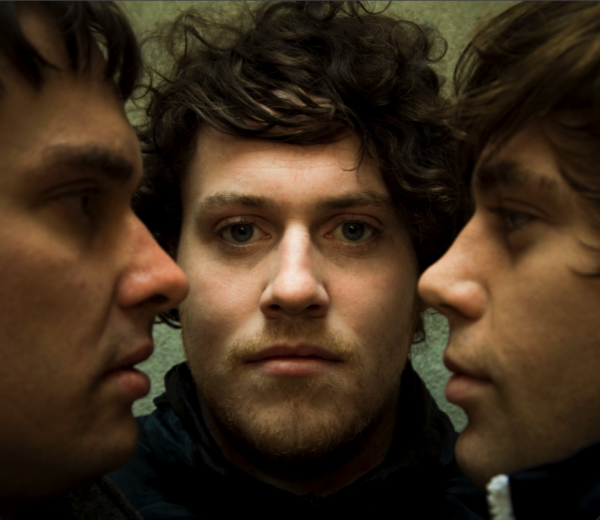
Metronomy will be at Pier 54 with Class Actress on June 28 for one of three RiverRocks shows this summer
Thursday, July 28
BAM R&B Festival: José James, MetroTech, 12 noon
Broadway in Bryant Park: Anything Goes, The Phantom of the Opera, The Fantasticks, Hair, Traces, Bryant Park Lawn, 12:30 pm
Music in the Square: The Vanguard, Union Square Park, 6:00
Lowdown Hudson Blues Festival: Taj Mahal Trio, Amy Lavere, Mike Farris and the Roseland Rhythm Revue, World Financial Center Plaza, 6:00
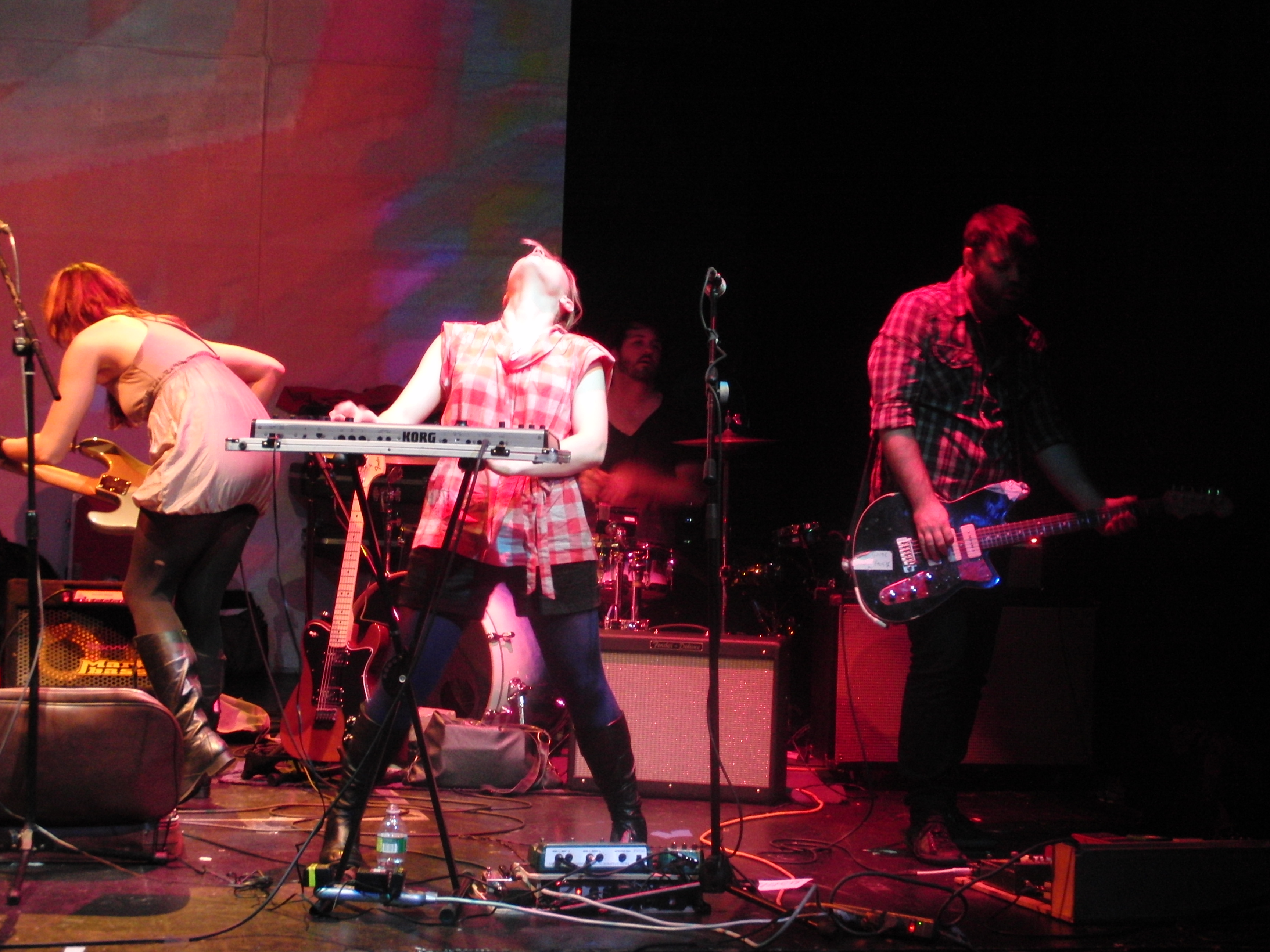
RiverRocks: Metronomy and Class Actress, Pier 54, Hudson River Park, West 14th St., 7:00
Metropolitan Opera Summer Recital Series: Layla Claire, soprano; Renée Tatum, mezzo-soprano; Ryan Speedo Green, bass-baritone; Bradley Moore, pianist, Jackie Robinson Park, 7:00
Lincoln Center Out of Doors: 3 Pianos / Taylor Made: A Jazzmobile Tribute to Dr. Billy Taylor — Barry Harris, Eric Reed, Christian Sands, with Winard Harper on drums, Chip Jackson on bass, musical director Cecil Bridgewater on trumpet, Tia Fuller on saxophones; Craig Harris on trombone; and Melba Joyce on vocals, Damrosch Park Bandshell, 7:30
Seaside Summer Concerts: Mary Wilson and the Spinners, West 21st St. & Surf Ave., Coney Island, 7:30
Celebrate Brooklyn! Mark Morris Dance Group with the Brooklyn Philharmonic & the Brooklyn Interdenominational Choir, Prospect Park Bandshell, 8:00
Friday, July 29
Good Morning America Concert Series: Debbie Gibson & Tiffany, Rumsey Playfield, 7:00 am
Today Show Toyota Concert Series: Journey, Rockefeller Plaza, 7:00 am
Eugene Mirman and Pretty Good Friends, with Todd Barry, Patton Oswalt, Kristen Schaal, and They Might Be Giants, Williamsburg Waterfront, 5:30
Lowdown Hudson Blues Festival: James Blood Ulmer and the Memphis Blood Blues featuring Vernon Reid, the Growlers, and the Beauties, World Financial Center Plaza, 6:00
Passport Fridays: Taiwan, with dance by H. T. Chen & Dancers, music by Drum Spirit of China, and screening of Kung Fu Dunk (Gōngfū Guànlán) (Yen-ping Chu, 2008), Queens Museum, Flushing Meadows Corona Park, 6:30
Celebrate Brooklyn! Oumou Sangare and Bassam Saba, Prospect Park Bandshell, 7:30
Lincoln Center Out of Doors: Don Byron New Gospel Quintet, Burnt Sugar / Danz: Conduction #6: The Trojan Rumba Suite, creative direction by Gabri Christa, Greg Tate and Germaul Barnes, Damrosch Park Bandshell, 7:30
Saturday, July 30
Lincoln Center Out of Doors: The Ponderosa Stomp: Girl Talk symposium, moderated by Sheryl Farber, Alison Fensterstock and Lauren Onkey, David Rubenstein Atrium, 1:00 – 4:00
Lowdown Hudson Blues Festival: Steven Bernstein’s Millennial Territory Orchestra and Henry Butler featuring Dean Bowman and Sandra St. Victor, with Hazmat Modine, Ryan Shaw, Danny Kalb, and Citigrass, World Financial Center Plaza, 1:00
Lincoln Center Out of Doors: Double Dutch Divas, Josie Robertson Plaza, 4:30
Lincoln Center Out of Doors: The Ponderosa Stomp: She’s Got the Power! A Girl Group Extravaganza including a Tribute to Ellie Greenwich, Damrosch Park Bandshell, 5:00 – 10:00
Celebrate Brooklyn! Dr. John & the Lower 911, Chuck Brown, and Red Baraat, Prospect Park Bandshell, 6:30
Sunday, July 31
Lincoln Center Out of Doors: Family Day, with Djoniba Dance & Drum Centre, Abadá-Capoeira, KR3T’S, and Full Circle Souljahs at 2:00, Stax Music Academy at 3:30, and Vy Higgensen’s Gospel for Teens at 5:30, Hearst Plaza
Beach Party: The Raveonettes, Eternal Summers, Beekman Beer Garden, Northside Pier 17, Beekman at South St., 3:00
Lincoln Center Out of Doors: Mavis Staples, the Relatives, Damrosch Park Bandshell, 7:00
MoonDance: Nu D’Lux Funky Guajiro CD Release Party, salsa dance lessons at 6:30, concert at 7:00, Hudson River Park, Pier 84, West 44th St.
Monday, August 1
SummerStage Music Benefit: Lykke Li, Rumsey Playfield, $30-$35, 6:30
Tuesday, August 2
Hudson Square Music & Wine Festival: Backyard After Work Party with CCB Reggae All-Stars, City Winery Back Parking Lot, 155 Varick St., 5:30
Celebrate Brooklyn! Benefit Concert: Sufjan Stevens, Prospect Park Bandshell, $35, 7:00
Washington Square Music Festival: The Charles Mingus Orchestra, Washington Square Park, 8:00
Wednesday, August 3
Bryant Park After Work: Joe Baione Trio, Fountain Terrace, 6:00
Lincoln Center Out of Doors: Asphalt Orchestra, Lincoln Center plazas, 6:30
Mad. Sq. Music: The Oval Lawn Series — Pedrito Martinez Group plus special guest Brian Lynch, Madison Square Park, 7:00
Lincoln Center Out of Doors: Trey McIntyre Project (TMP) & Preservation Hall Jazz Band, Damrosch Park Bandshell, 7:30
Thursday, August 4
BAM R&B Festival: Maxi Priest, MetroTech, 12 noon
Broadway in Bryant Park: Jersey Boys, The Lion King, Rent, Wicked, Death Takes a Holiday, Bryant Park Lawn, 12:30 pm
Music in the Square: The Shondes, Union Square Park, 6:00
Lincoln Center Out of Doors: Raya Brass Band, Josie Robertson Plaza, 6:30
Celebrate Brooklyn! The Complete Metropolis with Alloy Orchestra, Marika Hughes, Prospect Park Bandshell, 7:00
Lincoln Center Out of Doors: Malkit Singh, Dengue Fever, Damrosch Park Bandshell, 7:30
Seaside Summer Concerts: An Evening with Aretha Franklin, West 21st St. & Surf Ave., Coney Island, 7:30
Friday, August 5
Good Morning America Concert Series: Nicki Minaj, Rumsey Playfield, 7:00 am
Today Show Toyota Concert Series: Maroon 5, Rockefeller Plaza, 7:00 am
Passport Fridays: Dominican Republic, with dance by Ballet Folklorico Group of the Father Billini Association, music by Chepe & su conjunto tipico, and screening of Sugar (Anna Boden & Ryan Fleck, 2009), Queens Museum, Flushing Meadows Corona Park, 6:30
Celebrate Brooklyn! Ra Ra Riot, Delicate Steve, and Buke & Gass, Prospect Park Bandshell, 7:00
Lincoln Center Out of Doors: Mujeres de Agua by Javier Limon featuring BUIKA, La Shica, Sandra Carrasco, Bassam Saba & the New York Arabic Orchestra, Damrosch Park Bandshell, 7:30
Saturday, August 6
Lincoln Center Out of Doors: La Casita, with Ash(Æ), Bodoma and the Garifuna Culture Band, Douglas Kearney, Enriqueta Lunez, Felipe Luciano, Flying Words Project: Peter Cook & Kenny Lerner, Gowri K, Joaquin Zihuatanejo, Justin Long-Moton, Mayda del Valle, Mikael Mutti & Percussivo Mundo Novo, Oba Ire, Phil Kaye, Sophia Rei, Staceyann Chin, and MC Rich Villar, Hearst Plaza, 12 noon
Brews Blues & BBQ: Guitar Pete, the Beach at Governors Island, 1:30
Lincoln Center Out of Doors: Natural Expression Rhythm Band, Josie Robertson Plaza, 6:30
Lincoln Center Out of Doors: Grupo Folklorico y Experimental Nuevayorquiño and François Ladrezo & Alka Omeka, Damrosch Park Bandshell, 7:30
Celebrate Brooklyn! Ailey II: Revelations, Prospect Park Bandshell, 8:00
Sunday, August 7
Lincoln Center Out of Doors: Heritage Sunday, Desconocido: El Otro Lado del Colombia / Unknown: The Other Side of Colombia, with Sexteto Tabalá, Diego Obregón y Grupo Chonta, Paíto y Los Gaiteros de Punta Brava, and Rebolu, Hearts Plaza, 1:00
Rock Yard: The Growlers, Japanther, the Death Set, Cerebral Ballzy, the So So Glos, and CSC Funk Band, the Morgan, 25 Bogart St., 2:00 – 8:00
Beach Party: Mission of Burma, Beekman Beer Garden, Northside Pier 17, Beekman at South St., 3:00
MoonDance: George Gee Swing Orchestra, swing dance lessons at 6:30, concert at 7:00, Hudson River Park, Pier 84, West 44th St.
Lincoln Center Out of Doors: Live from the Continent, with Blitz the Ambassador, Spoek Mathambo, and Iyadede, Damrosch Park Bandshell, 7:30
Monday, August 8
SummerStage Music Benefit: Guster and Jack’s Mannequin, Rumsey Playfield, $35, 6:00
Martin Luther King Jr. Concert Series: Men of Soul starring Jeffrey Osborne, Peabo Bryson, and Freddie Jackson, Wingate Field, 7:30
Tuesday, August 9
Hudson Square Music & Wine Festival: Backyard After Work Party with Nicole Atkins, City Winery Back Parking Lot, 155 Varick St., 5:30
CityParks Concerts: Salute to Hip-Hop, with Rob Base and Funkmaster Flex, Marcus Garvey Park, 7:00
Naumburg Orchestral Concerts: Jupiter Symphony Chamber Players, Naumburg Bandshell, Central Park, 7:30
Wednesday, August 10
Lincoln Center Out of Doors: Spike’s Side Show, with Aurora Nealand and the Royal Roses, Chris McDaniel, Christine Lavin, Data the Robot and Heather Knight of Marilyn Monrobot, Jonathan Nosan, Matthew Holtzclaw, Miss Saturn aka Jenny McGowan, and Stephanie Monseu & Keith Nelson of the Bindlestiff Family Cirkus, plazas throughout Lincoln Center, 6:00
Bryant Park After Work: The Spring Standards, Fountain Terrace, 6:00
Mad. Sq. Music: The Oval Lawn Series — Davell Crawford Tribute to Ray Charles, Madison Square Park, 7:00
CityParks Concerts: Vashawn Mitchell, Marcus Garvey Park, 7:00
Lincoln Center Out of Doors: Laurie Anderson and Friends and Todd Reynolds with Sxip Shirey, Adam Matta and Strings, with Caleb Burhans, Conrad Harris, Pauline Kim Harris, Yuki Numata, Courtney Orlando, and Ben Russell, Damrosch Park Bandshell, 7:30
Thursday, August 11
Broadway in Bryant Park: Mamma Mia!, Mary Poppins, Avenue Q, Priscilla Queen of the Desert, Bryant Park Lawn, 12:30 pm
Music in the Square: ARMS, Union Square Park, 6:00
Lincoln Center Out of Doors: MarchFourth Marching Band, Josie Robertson Plaza, 6:00
Celebrate Brooklyn! Benefit Concert: Cut Copy, Foster the People, and Midnight Magic, Prospect Park Bandshell, $35, 6:30
RiverRocks: Deer Tick and DOM, Pier 54, Hudson River Park, West 14th St., 7:00
Lincoln Center Out of Doors: David Dorfman Dance featuring the Family Stone: Prophets of Funk — Concert Edition, Debo Band with special guests Fendika, Damrosch Park Bandshell, 7:00
CityParks Concerts: Ryan Leslie, Marcus Garvey Park, 7:00
Seaside Summer Concerts: Latino Music by the Sea, West 21st St. & Surf Ave., Coney Island, 7:30
Friday, August 12
Good Morning America Concert Series: American Idol Top 11, Rumsey Playfield, 7:00 am
Passport Fridays: Egypt, with dance and music by Zikrayat and screening of Heliopolis (Ahmad Abdalla, 2009), Queens Museum, Flushing Meadows Corona Park, 6:30
Lincoln Center Out of Doors: Tan Dun conducting the Metropolis Ensemble: The Martial Arts Trilogy, Damrosch Park Bandshell, 7:30
Saturday, August 13
Rite of Summer Music Festival: ETHEL, Colonel’s Row, Governors Island, 1:00 & 3:00
Brews Blues & BBQ: Danny Toan, the Beach at Governors Island, 1:30
Lincoln Center Out of Doors: Twenty-eighth Annual Roots of American Music Festival, with Abigail Washburn, Sid Selvidge and Sons of Mud Boy, and Sun Records artist oral histories, hosted by Spike Barkin, Hearst Plaza Stage, 2:00
Lincoln Center Out of Doors: Twenty-eighth Annual Roots of American Music Festival, with Ebony Hillbillies, Josie Robertson Plaza, 5:00
Lincoln Center Out of Doors: Twenty-eighth Annual Roots of American Music Festival, with Marty Stuart & His Fabulous Superlatives, Tribute to Sun Records with Sonny Burgess & the Legendary Pacers, Cowboy Jack Clement, Rudy “Tutti” Grayzell, and Hayden Thompson, and Dailey and Vincent, Damrosch Park Bandshell, 6:00
Sunday, August 14
Lincoln Center Out of Doors: Twenty-eighth Annual Roots of American Music Festival, Dixie Fried — The Life & Music of Jim Dickinson, panel discussion with Sid Selvidge, and Cody and Luther Dickinson, David Rubenstein Atrium, 2:00
Lincoln Center Out of Doors: Twenty-eighth Annual Roots of American Music Festival, featuring Steve Cropper and Friends: Tribute to the “5” Royales with Bettye Lavette, Ellis Hooks & Dylan LeBlanc; the Bar-Kays; North Mississippi Allstars Duo; and Big Sam’s Funky Nation, Damrosch Park Bandshell, 5:00
Monday, August 15
Martin Luther King Jr. Concert Series: An Evening with Queen Latifah, with Mary Mary, Wingate Field, 7:30
Tuesday, August 16
Hudson Square Music & Wine Festival: Backyard After Work Party with the Wood Brothers, City Winery Back Parking Lot, 155 Varick St., 5:30
CityParks Concerts: Bachata Heightz, Highbridge Park, 7:00
Wednesday, August 17
Bryant Park After Work: East West Quintet, Fountain Terrace, 6:00
CityParks Concerts: Henry Santos, Highbridge Park, 7:00
Thursday, August 18
CityParks Concerts: Andy Andy, Highbridge Park, 7:00
Seaside Summer Concerts: Cheap Trick and the Rattlers, West 21st St. & Surf Ave., Coney Island, 7:30
Friday, August 19
Good Morning America Concert Series: Taio Cruz, Rumsey Playfield, 7:00 am
Passport Fridays: Colombia, with dance by Estampas Negras, music by Pablo Mayor & Ensemble, and screening of The Accordion Kings (Alan Tomlinson, 2008), Queens Museum, Flushing Meadows Corona Park, 6:30
Sunday, August 21
Rock Yard: Danny Brown, Action Bronson, Maffew Ragazino, Delicate Steve, Party Supplies, Count Macula, Ducky, Jon Connor, the Morgan, 25 Bogart St., 2:00 – 8:00
Blues BBQ, with Marquise Knox, Diana Braithwaite & Chris Whiteley, Walter Trout, Shakura S’Aida, and Bonerama, Pier 54, Hudson River Park, 2:00 – 9:00
Monday, August 22
Naumburg Orchestral Concerts: The Knights, Naumburg Bandshell, Central Park, 7:30
Martin Luther King Jr. Concert Series: Annual Caribbean Night with Beres Hammond, Shaggy, and the Mighty Sparrow, Wingate Field, 7:30
Tuesday, August 23
CityParks Concerts: Tito Rojas, Lower East Salsa, East River Park, 7:00
Wednesday, August 24
Bryant Park After Work: Kaylin Lee Clinton, Fountain Terrace, 6:00
CityParks Concerts: The Cold Crush Brothers, East River Park, 7:00
Thursday, August 25
CityParks Concerts: Wavves and Dum Dum Girls, East River Park, 7:00
Friday, August 26
Good Morning America Concert Series: Stevie Nicks, Rumsey Playfield, 7:00 am
Passport Fridays: Venezuela, with music by Los crema paraiso and Big Mandrake! and screening of Libertador Morales, el justiero (Efterpi Charalambidis, 2009), Queens Museum, Flushing Meadows Corona Park, 6:30
Saturday, August 27
Canceled: The Charlie Parker Jazz Festival: Toots Thielemans, James Carter, Tia Fuller, and Cécile McLorin Salvant, Marcus Garvey Park, 3:00
Saturday, August 27, and Sunday, August 28
Canceled: Afro-Punk Festival, with Cee-Lo Green, Santigold, Janelle Monae, Fishbone, Jay Electronica, Toro Y Moi, Toshi Reagon, Ninjasonik, Cerebral Ballzy, Gordon Voidwell, Reggie Watts, Res, Joi, Rocky Business, Straight Line Stitch, and more to be announced, Commodore Barry Park, Brooklyn
Sunday, August 28
Canceled: The Charlie Parker Jazz Festival: Archie Shepp Quartet, Madeline Peyroux, Anat Cohen, and the Gerald Clayton Trio, Tompkins Square Park, 3:00
Wednesday, August 31
Bryant Park After Work: John Farnsworth Quintet, Fountain Terrace, 6:00
Friday, September 2
Good Morning America Concert Series: Mary J. Blige, Rumsey Playfield, 7:00 am
Saturday, September 3
Rock Yard: Pictureplane, White Hills, Psychic Paramount, Wise Blood, Realness, the Morgan, 25 Bogart St., 2:00 – 8:00
Sunday, September 4
Rite of Summer Music Festival: Labor Day in the Sun, with codirectors Pam Goldberg and Blair McMillen collaborating with violinists Nurit Pacht and Miranda Cuckson, Colonel’s Row, Governors Island, 1:00 & 3:00
Saturday, September 10
Brews Blues & BBQ: Joe Vadala and Jersey Shore Blues, the Beach at Governors Island, 1:30
Rock Yard: bands TBA, the Morgan, 25 Bogart St., 2:00 – 8:00
Saturday, September 17
Brews Blues & BBQ: Billy Hector, the Beach at Governors Island, 1:30