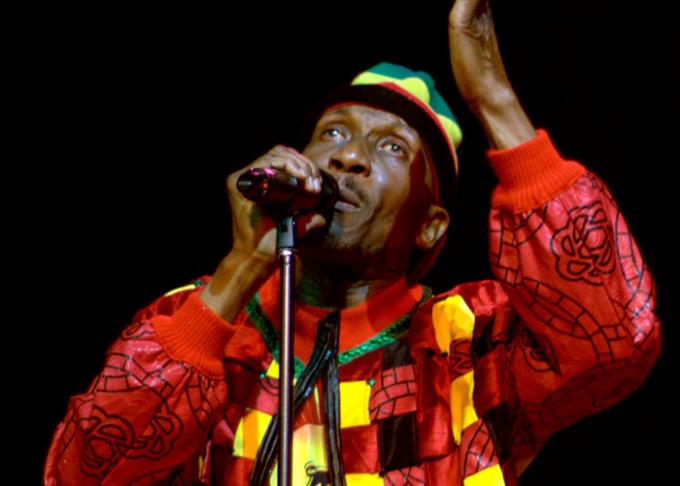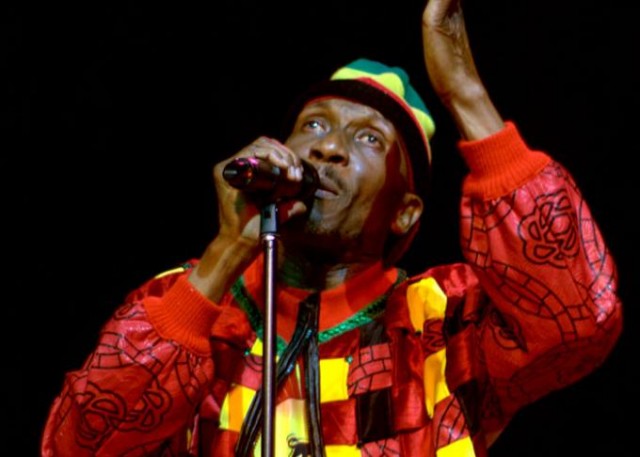
Jimmy Cliff will open 2012 Celebrate Brooklyn! season with free show June 5
Wednesday, May 30
through
Friday, June 1 Piano in the Park: Terry Waldo, protégé of the late Eubie Blake, Upper Terrace, Bryant Park, 12:30
Tuesday, May 30 Summer on the Plaza: Pastures of Plenty — A Celebration of Song, with Khalil Madyun, One Liberty Plaza lobby, 160 Broadway, 12:30
Friday, June 1 BAM Presents: Andre Lassalle and Premonition, Albee Square on Fulton Mall, 5:30
Saturday, June 2 Howl! Festival: Disco Monkeys, Bowery Tones, Waldos, TriBattery Pops, more, Tompkins Square Park, 1:00 – 7:00
Sunday, June 3 Howl! Festival: Deans of Discipline, the Sic Fucks, and Bear 54, Danny Hartig, Jack Skuller, more, Tompkins Square Park, 1:00 – 7:00
Monday, June 4
through
Friday, June 8 Piano in the Park: Armen Donelian, international pianist, composer, and bandleader, Upper Terrace, Bryant Park, 12:30
Tuesday, June 5 Summer on the Plaza: Bob Stillman Trio, World Financial Center Plaza, 220 Vesey St., 5:30
Tuesday, June 5 Celebrate Brooklyn! Opening Night Concert with Jimmy Cliff, Prospect Park Bandshell, 8:00
Wednesday, June 6 SummerStage: Midnite and DJ Carter Van Pelt, hosted by Dahved Levy, Betsy Head Park, 7:00
Thursday, June 7 BAM Rhythm & Blues Festival: Larry Graham and Graham Central Station, MetroTech Commons, 12 noon
Thursday, June 7 Tropical Night at the Seaport: Chris Alfinez and His Orchestra, Jose Alberto “El Canario” and His Orchestra, and La Comision, hosted by DJ Ralph Mercardo III, South Street Seaport, Pier 17, 5:00 – 9:00
Thursday, June 7 City Parks Foundation: Buckshot, Smif n Wessun, Sean Price of the Boot Camp Clik, Betsy Head Park, 7:00
Friday, June 8 GMA Summer Concert Series: Counting Crows, Rumsey Playfield, Central Park, 7:00 am
Friday, June 8 Today Show Toyota Concert Series: Chris Brown, Rockefeller Plaza, 7:00 am
Friday, June 8 Fab Fridays: Heritage OP & ArinMaya, Plaza @ Fowler Square, Fulton St., 5:00
Friday, June 8 Fab Fridays: Viva and Her Power Trio & Mais Um, Fulton @ Vanderbilt, 5:00
Friday, June 8 Fab Fridays: Djibril Toure, Putnam Triangle Plaza, 5:00
Friday, June 8 City Parks Foundation: JJ Hairston and Jessica Reedy, Betsy Head Park, 7:00
Saturday, June 9 Tenth annual Big Apple Barbecue Block Party, with Jon Langford (1:00), JC Brooks & the Uptown Sound (2:45), Southern Culture on the Skids (4:30), Madison Square Park
Saturday, June 9 Celebrate Brooklyn! AfroCubism, Alsarah & the Nubatones, Prospect Park Bandshell, 7:30
Sunday, June 10 Tenth annual Big Apple Barbecue Block Party, with Roadside Graves (1:00), the Revelations featuring Tre Williams (2:45), Alejandro Escovedo and the Sensitive Boys (4:30), Madison Square Park
Sunday, June 10 Summer on the Oval: Dan Zanes & Friends, Bari Koral Band, Peter Cooper Village / Stuyvesant Town, 3:00
Sunday, June 10 City Parks Foundation: FELA Queens, performer from the Bindlestiff Family Cirkus, DJ Stomrin’ Norman, Herbert Von King Park, 4:00
Sunday, June 10 City Parks Foundation: Talib Kweli with band and screening of Brooklyn Boheme, Herbert Von King Park, 7:00
Monday, June 11
through
Friday, June 15 Piano in the Park: Russ Kassoff, trio and solo jazz, Broadway conductor, Upper Terrace, Bryant Park, 12:30
Tuesday, June 12 Summer on the Plaza: Greg August Quartet, World Financial Center Plaza, 220 Vesey St., 5:30
Tuesday, June 12 City Parks Foundation: Bushman, NiyoRah, DJ Soul Selector, hosted by Dahved Levy, Herbert Von King Park, 7:00
Tuesday, June 12 SummerStage: The New York Pops with Ozomatli, Rumsey Playfield, 8:00
Wednesday, June 13 Summer on the Plaza: Pastures of Plenty — A Celebration of Song, with Gregory Douglass, One Liberty Plaza lobby, 160 Broadway, 12:30
Wednesday, June 13 City Parks Foundation: J. Holiday, Eric Roberson, Herbert Von King Park, 7:00
Thursday, June 14 BAM Rhythm & Blues Festival: Arturo O’Farrill and the Afro Latin Jazz Orchestra, MetroTech Commons, 12 noon
Thursday, June 14 Celebrate Brooklyn! Laura Marling, Michael Kiwanuka, Willy Mason, Prospect Park Bandshell, 7:00
Thursday, June 14 City Parks Foundation: EPMD, DJ Scratch, Herbert Von King Park, 7:00
Friday, June 15 Today Show Toyota Concert Series: Justin Bieber, Rockefeller Plaza, 7:00 am
Friday, June 15 GMA Summer Concert Series: The Beach Boys, Rumsey Playfield, Central Park, 7:00 am
Friday, June 15 Celebrate Brooklyn! Geri Allen & Carrie Mae Weems: Slow Fade to Black, with Esperanza Spalding, Terri Lyne Carrington, Lizz Wright, Patrice Rushen, and more, Prospect Park Bandshell, 8:00
Friday, June 15 SummerStage: Joey Arias, Rumsey Playfield, 8:00
Saturday, June 16 Northside Festival: Red Baraat, Dean & Britta, Mas Ysa, Hume, McCarren Park, 3:15
Saturday, June 16 Celebrate Brooklyn! Balkan Beat Box, Chico Trujillo, Nation Beat, Prospect Park Bandshell, 6:30
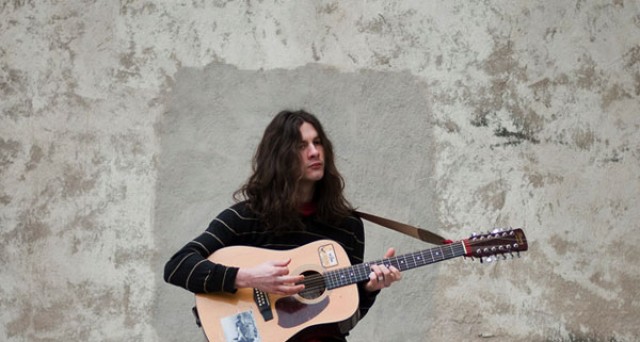
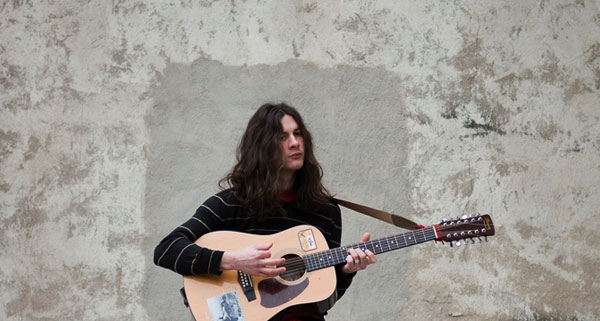
Kurt Vile and the Violators will be at SummerStage on June 16
Saturday, June 16 SummerStage: Dawes, Kurt Vile and the Violators, Rumsey Playfield, 7:00
Sunday, June 17 River to River Festival: Bang on a Can Marathon, with Maya Beiser, Pauline Oliveros’ Deep Listening Band, Alvin Lucier, Kaki King, and many more, World Financial Center Winter Garden, 12 noon – 12 midnight
Sunday, June 17 SummerStage: The Blue Note Jazz Festival featuring Groove Theory, Soulive, Riq and Rah with Strings (Black Thought + Rahzel), DJ ?uestlove, Rumsey Playfield, 6:00
Monday, June 18
through
Friday, June 22 Piano in the Park: Luiz Simas, Brazilian and American genres of jazz, Upper Terrace, Bryant Park, 12:30
Tuesday, June 19 Summer on the Plaza: Edmar Castaneda Trio, World Financial Center Plaza, 220 Vesey St., 5:30
Tuesday, June 19 City Parks Foundation: Das Racist, Action Bronson, and Trouble Andrew, Red Hook Park, 7:00
Tuesday, June 19 Naumburg Orchestral Concerts: Orpheus Chamber Orchestra plays Rossini’s “Overture: Il Signor Bruschino,” Grieg’s “Holberg Suite,” Opus 40, Mozart’s Symphony No. 29 in A major, K 201, and Bartók’s “Romanian Folk Dances,” Historic Naumburg Bandshell, Central Park, 7:30
Wednesday, June 20 Mad Sq. Music Oval Lawn Series: James Braddock and Band, Madison Square Park, 7:00
Wednesday June 20 River to River Festival — Philip Glass Ensemble: A Retrospective, Rockefeller Park, 7:00
Wednesday, June 20 City Parks Foundation: Lyricist Lounge Twenty-Year Anniversary with Brand Nubian and Game Rebellion, Red Hook Park, 7:00
Thursday, June 21 BAM Rhythm & Blues Festival: Ky-Mani Marley, MetroTech Commons, 12 noon
Thursday, June 21 Summer on the Plaza: Make Music New York, with Simon Mulligan: The Gershwin Hour, Grace Building Plaza, 43rd St. at Sixth Ave., 12:30
Thursday, June 21 Summer on the Plaza: Make Music New York, with Edmar Castaneda, One New York Plaza, Water & Broad Sts., 5:00
Thursday June 21 River to River Festival / Make Music New York: Kun by Wendy Mae Chambers, Piers 15&16, 4:30 – 8:31
Thursday, June 21 City Parks Foundation: Deer Tick, Jonny Corndawg, Red Hook Park, 7:00
Thursday June 21 River to River Festival: Eddie Palmieri, Rockefeller Park, 7:00
Thursday, June 21 Celebrate Brooklyn! Mary Mary, Latice Crawford, Prospect Park Bandshell, 7:30
Friday, June 22 GMA Summer Concert Series: Mary J. Blige, Rumsey Playfield, Central Park, 7:00 am
Friday, June 22 Today Show Toyota Concert Series: Kenny Chesney, Rockefeller Plaza, 7:00 am
Friday, June 22 Celebrate Brooklyn! Keb’ Mo’, Natalia Zukerman, Prospect Park Bandshell, 7:30
Friday, June 22 River to River Festival: The Miracles Club, Pier 17, 8:00
Saturday, June 23 Summer on the Oval: The Wood Brothers, Bruce Robison & Kelly Willis, Peter Cooper Village / Stuyvesant Town, 3:00
Saturday, June 23 Celebrate Brooklyn! Lyricist Lounge Twentieth Anniversary featuring Ghostface Killah, Camp Lo, Astro, and more, Prospect Park Bandshell, 7:30
Saturday, June 23 River to River Festival: Chico Mann, Pier 17, 8:00
Sunday, June 24 SummerStage: Alabama Shakes, Diamond Rugs, Robert Ellis, Rumsey Playfield, 3:00
Sunday, June 24 River to River Festival — Sundays at St. Paul’s: Manado, Manila and Manhattan, St. Paul’s Chapel, 7:30
Monday, June 25 River to River Festival: Oceanic Verses by Paola Prestini and Donna Di Novelli, Michael Schimmel Center for the Arts at Pace University, 3 Spruce St., 7:30
Monday, June 25
through
Friday, June 29 Piano in the Park: Joel Forrester, contemporary, boogie-woogie, trance, and stride, Upper Terrace, Bryant Park, 12:30
Tuesday, June 26 Summer on the Plaza: Pastures of Plenty — A Celebration of Song, with Angela M Trio, World Financial Center Plaza, 220 Vesey St., 5:30
Tuesday, June 26 Hudson Square Music & Wine Festival: Portland Cello Project, City Winery courtyard, 155 Varick St., 5:30
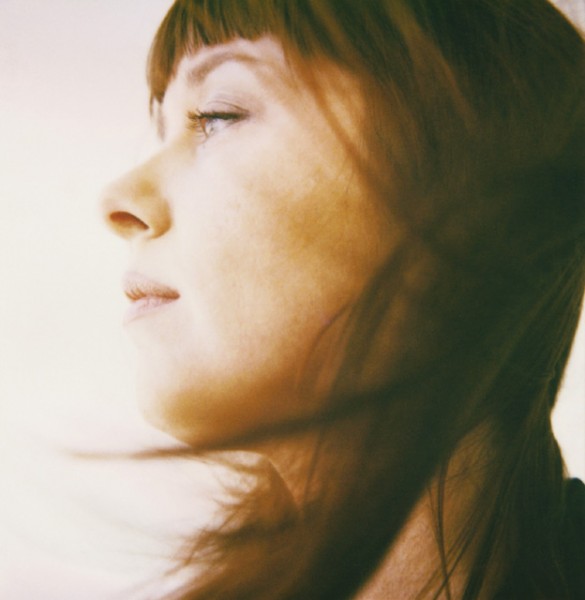
Suzanne Vega will team up with Gabriel Kahane for Poetic City on June 26
Tuesday, June 26 River to River Festival: Poets House’s Poetic City with Suzanne Vega & Gabriel Kahane, featuring poets Tina Chang and Paolo Javier, Rockefeller Park, 6:00
Tuesday, June 26 SummerStage: Workmen’s Circle Yiddishfest 2012: Singing for a Better World featuring the Klezmatics, SoCalled, Daniel Kahn and the Painted Bird, Joshua Nelson NYT-Folksbiene’s “Soul to Soul,” Yiddish Princess, Rumsey Playfield, 7:00
Tuesday, June 26 City Parks Foundation: Cano Estremera, Soundview Park, 7:00
Wednesday, June 27 Summer on the Plaza: Pastures of Plenty — A Celebration of Song, with Emily Elbert, One Liberty Plaza lobby, 160 Broadway, 12:30
Wednesday, June 27 Mad Sq. Music Oval Lawn Series: Gretchen Parlato and Gregory Porter, Madison Square Park, 6:30
Wednesday, June 27 River to River Festival: Third World, Rockefeller Park, 7:00
Wednesday, June 27 City Parks Foundation: Safire, Lisette Melendez, DJ Lucho, Soundview Park, 7:00
Thursday, June 28 BAM Rhythm & Blues Festival: Fishbone, MetroTech Commons, 12 noon
Thursday, June 28 Summer on the Plaza: Pastures of Plenty — A Celebration of Song, with Angelo M Trio, One New York Plaza, Water & Broad Sts., 12:30
Thursday, June 28 River to River Festival — Source of Uncertainty I: Music of the Buchla Synthesizer & the Control Voltage Faire, @Seaport, 210 Front St., fair begins at 3:00,
Thursday, June 28 City Parks Foundation: Our Latin Thing: A Tribute to the Fania All Stars with Felix Hernandez’s Rhythm Revue, Soundview Park, 7:00
Friday, June 29 GMA Summer Concert Series: LMFAO, Rumsey Playfield, Central Park, 7:00 am
Friday, June 29 Today Show Toyota Concert Series: Maroon 5, Rockefeller Plaza, 7:00 am
Friday June 29 River to River Festival: Veronica Falls with the People’s Temple, Pier 17, the Seaport, 7:00
Friday June 29 River to River Festival — EcstaticTM Summer: Roomful of Teeth with Merrill Garbus & William Brittelle and Judd Greenstein’s The Yehudim, World Financial Center Plaza, 7:00
Friday, June 29 Celebrate Brooklyn! Trombone Shorty & Orleans Avenue, the Brooklyn Steppers, Dayna Kurtz, Prospect Park Bandshell, 7:30
Saturday, June 30 Crest Fest: Crest Hardware Art Show with PitchBlak Brass Band, Aabaraki, Workout, Hard Nips, Grey Sky Appeal, and DJ sets by Petey Complex, King Cut, Lucas Walters, Peter Hale, Dom Leon, Krunk Pony, 558 Metropolitan Ave., 1:00 – 7:00
Saturday, June 30 Summer on the Oval: Garland Jeffreys, Shamekia Copeland, Peter Cooper Village / Stuyvesant Town, 3:00
Saturday, June 30 City Parks Foundation: Legendary House of Ninja, KR3TS, Milteri Tucker and special guests, St. Mary’s Park, 7:00
Saturday, June 30 Celebrate Brooklyn! Angélique Kidjo’s Women Waging Peace with special guests Laurie Anderson, Sibongile Khumalo, and Somi, Prospect Park Bandshell, 7:30
Sunday, July 1 River to River Festival: Sundays At St. Paul’s: Composer Portrait: The Choral Music of Nico Muhly, Trinity Choir, conducted by Julian Wachner, St. Paul’s Chapel, 8:30pm
Monday, July 2 River to River Festival: Inverted Sky, Kite Project 2012 by Erika Harrsch and Julian Wachner, Rockefeller Park, 4:00
Monday, July 2 River to River Festival: The Bridge to Broadway starring Rebecca Luker, Marin Mazzie, Gretchen Parlato, Sachal Vasandani, and Tia Fuller, Rockefeller Park, 7:00
Tuesday, July 3 Hudson Square Music & Wine Festival: Brother Joscephus with Betty, City Winery courtyard, 155 Varick St., 5:30
Tuesday, July 3 City Parks Foundation: José “El Canario” Alberto, St. Mary’s Park, 7:00
Tuesday, July 3 River to River Festival: Arieb Azhar, Michael Schimmel Center for the Arts at Pace University, 7:30
Wednesday, July 4 Mad Sq. Music Oval Lawn Series: Noam Pikelny and Friends, the Sweetback Sisters, and Spuyten Duyvil, Madison Square Park, 3:00
Thursday, July 5 BAM Rhythm & Blues Festival: Van Hunt, MetroTech Commons, 12 noon
Thursday, July 5 River to River Festival: Burtt & the Cure for Love, One New York Plaza, 12:30
Thursday, July 5 Summer on the Plaza: Pastures of Plenty — A Celebration of Song, with Megan Burtt & the Cure for Love, One New York Plaza, Water & Broad Sts., 12:30
Thursday, July 5 City Parks Foundation: 8 y Más presents a Tribute to Tito Puente, St. Mary’s Park, 7:00
Friday, July 6 GMA Summer Concert Series: Demi Lovato, Rumsey Playfield, Central Park, 7:00 am
Friday, July 6 Today Show Toyota Concert Series: Flo Rida, Rockefeller Plaza, 7:00 am
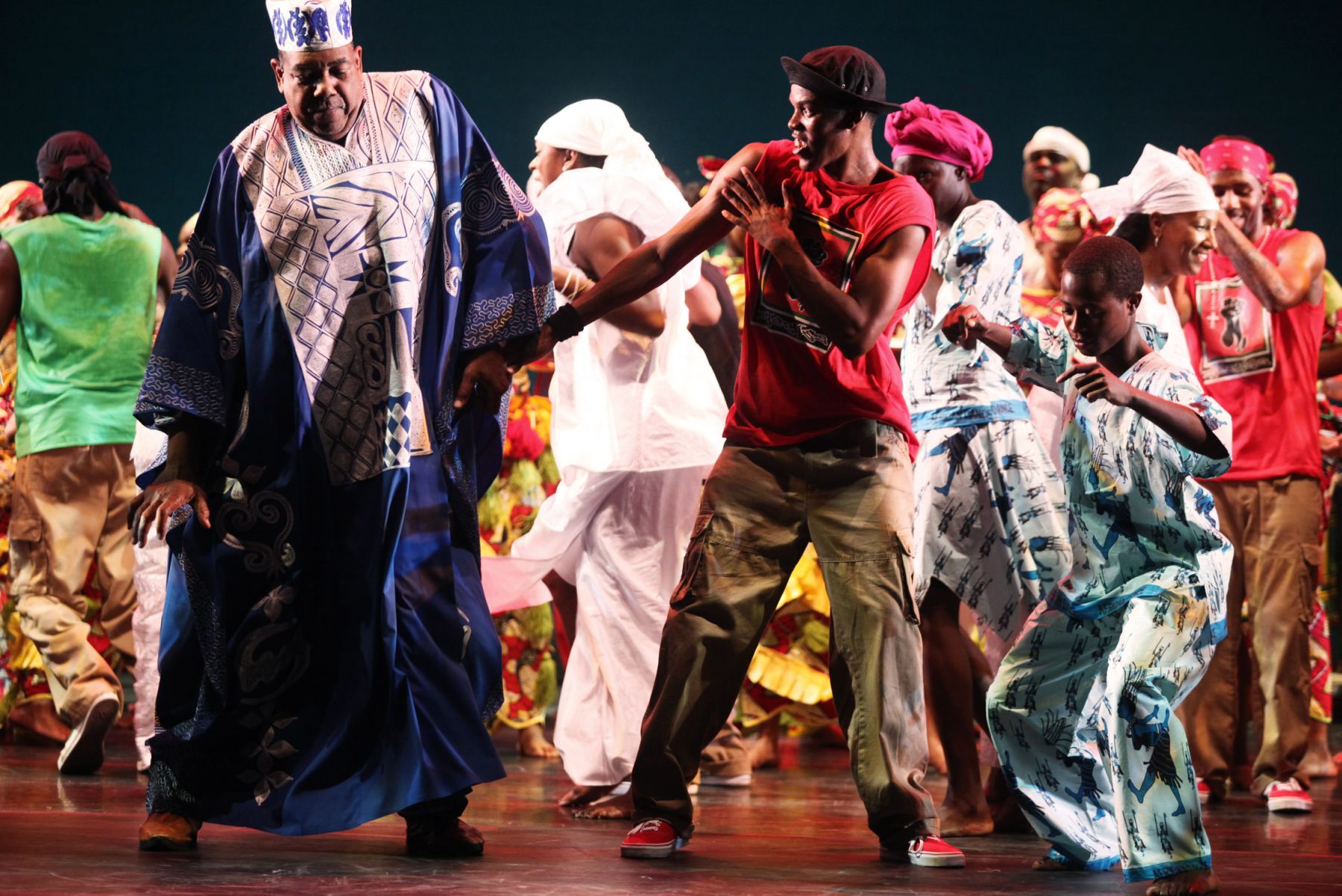
Friday, July 6 Passport Fridays: Haiti, with dance by ASE Dance Theatre Collective, music by DJA-Rara, and screening of When the Drum Is Beating (Whitney Dow, 2011), Queens Museum, 6:30
Friday, July 6 River to River Festival: Patrick Watson with Loney Dear, Pier 17, the Seaport, 7:00
Saturday, July 7 CBGB Festival: Clap Your Hands Say Yeah, the Hold Steady, Duff McKagan’s Loaded, Superchunk, Glint, Upper West, Zulu Wave, Times Square, 12 noon – 6:00 pm
Saturday, July 7 Rite of Summer Classical Music Festival featuring Ljova and the Kontraband, Governors Island, free, 1:00 & 3:00
Saturday, July 7 SummerStage: CBGB Festival with Guided by Voices, the Pains of Being Pure at Heart, the Cloud Nothings, and more, Rumsey Playfield, Central Park, 3:00
Saturday, July 7 Celebrate Brooklyn! Souad Massi, Simon Shaheen, Prospect Park Bandshell, 7:30
Saturday, July 7 River to River Festival: Source of Uncertainty II featuring Morton Subotnick’s “Energy Shapes” and excerpts from “Silver Apples of the Moon” and Richard Lainhart’s “Orchestra of the Damned,” Michael Schimmel Center for the Arts at Pace University, 7:30
Sunday, July 8 SummerStage Kids Family Day with Justin Roberts and the Not So Ready for Naptime Players, Ill Style & Peace Productions, the New York Chinese Cultural Center, and the Bindlestiff Family Cirkus, Rumsey Playfield, Central Park, 3:00
Sunday, July 8 Celebrate Brooklyn! Ezra Jack Keats Family Concert with Sweet Honey in the Rock, Prospect Park Bandshell, 4:00
Sunday, July 8 City Parks Foundation: Frankie Negron, St. Mary’s Park, 7:00
Sunday, July 8 River to River Festival: Sundays at St. Paul’s: synesthetic engines featuring Taylor Deupree, Blake Carrington, and Daniel Iglesia, St. Paul’s Chapel, 7:30
Tuesday, July 10 Summer on the Plaza: Locos por Juana, World Financial Center Plaza, 220 Vesey St., 5:30
Tuesday, July 10 Hudson Square Music & Wine Festival: Marco Benevento, City Winery courtyard, 155 Varick St., 5:30
Tuesday, July 10 River to River Festival: La India with Aurora & Zon del Barrio, Rockefeller Park, 7:00
Tuesday, July 10 Live at the Gantries: Latin Jazz Coalition, Gantry Plaza State Park, 7:00
Tuesday, July 10 City Parks Foundation: Chubb Rock, Kurtis Blow, DJ Bent Roc, Crotona Park, 7:00
Tuesday, July 10 Naumburg Orchestral Concerts: the Knights play Wagner’s “Siegfried Idyll,” Schumann’s Cello Concerto in A minor, Op 129, Debussy’s “Prelude to the Afternoon of a Faun,” Adès’s “Three Studies from Couperin,” and Jacobsen/Abbas’s “Ascending Bird,” hosted by Midge Woolsey, Historic Naumburg Bandshell, Central Park, 7:30
Wednesday, July 11 Summer on the Plaza: Pastures of Plenty — A Celebration of Song, with Ian Link, One Liberty Plaza lobby, 160 Broadway, 12:30
Wednesday, July 11 Lowdown Hudson Blues Festival: Buddy Guy, Quinn Sullivan, and John Mayall, World Financial Center Plaza, 6:00
Wednesday, July 11 SummerStage: Latin Alternative Music Conference w/ Mala Rodríguez, Profetas, Ximena Sariñana, Rumsey Playfield, Central Park, 7:00
Wednesday, July 11 City Parks Foundation: Nice and Smooth, Ed O.G., the Awesome 2, Crotona Park, 7:00 PM
Wednesday, July 11 Mad Sq. Music Oval Lawn Series: Nellie McKay, Madison Square Park, 7:00
Wednesday, July 11 River to River Festival: Missy Mazzoli & Victoire with Matt Mehlan and Skeletons, Michael Schimmel Center for the Arts at Pace University, 3 Spruce St., 7:30
Wednesday, July 11 Concerts in the Park: New York Philharmonic plays Tchaikovsky’s Symphony No. 4 and Respighi’s “Fountains of Rome” and “Pines of Rome,” conducted by Alan Gilbert, Prospect Park Bandshell, 8:00
Thursday, July 12 City Parks Foundation: Robbi K, Morningside Park, 10:30 am
Thursday, July 12 BAM Rhythm & Blues Festival: Shemekia Copeland and NRBQ, MetroTech Commons, 12 noon
Thursday, July 12 Summer on the Plaza: Dana Leong Trio, One New York Plaza, Water & Broad Sts., 12:30
Thursday, July 12 RiverRocks: Dan Deacon, John Maus, Pier 84 at West 44th St., 6:00
Thursday, July 12 Lowdown Hudson Blues Festival: Neko Case, Charles Bradley and His Extraordinaires, He’s My Brother She’s My Sister, World Financial Center Plaza, 6:00
Thursday, July 12 George Clinton and Parliament-Funkadelic, Rockefeller Park, 7:00
Thursday, July 12 Seaside Summer Concert Series: Disco Night / Last Dance, a Tribute to Donna Summer, with Gloria Gaynor, the Village People, the Trammps, and Rose Royce, West 21st St. & Surf Ave. in Coney Island, 7:30
Thursday, July 12 Concerts in the Park: New York Philharmonic plays Lyadov’s “Polonaise in Memory of A.S. Pushkin,” Tchaikovsky’s Violin Concerto, and Brahms’s Symphony No. 1, conducted by Andrey Boreyko, Cunningham Park, 8:00
Friday, July 13 Today Show Toyota Concert Series: Zac Brown Band, Rockefeller Plaza, 7:00 am
Friday, July 13 City Parks Foundation: Andes Manta, Crotona Park, 10:30 am
Friday, July 13 City Parks Foundation: Marika Hughes and Bottom Heavy, Brower Park, 10:30 am
Friday, July 13 Fab Fridays: Joy Kelly and Velez Moore, Plaza @ Fowler Square, Fulton St., 5:00
Friday, July 13 Fab Fridays: Demolition Crew DJs, Fulton @ Vanderbilt, 5:00
Friday, July 13 Fab Fridays: Jeff Newell’s New-Trad Quartet, Putnam Triangle Plaza, 5:00
Friday, July 13 Passport Fridays: México, with music by Las Cafeteras and screening of Alamar (Pedro González-Rubio, 2009), Queens Museum, 6:30
Friday, July 13 River to River Festival: Eleanor Friedberger and Ex Cops, Pier 17, South Street Seaport, 7:00
Friday, July 13 Celebrate Brooklyn! Calle 13, Ana Tijoux, Ritmo Machine, Prospect Park Bandshell, 7:00
Friday, July 13 Concerts in the Park: New York Philharmonic plays Tchaikovsky’s Symphony No. 4 and Respighi’s “Fountains of Rome” and “Pines of Rome,” conducted by Alan Gilbert, Central Park, 8:00
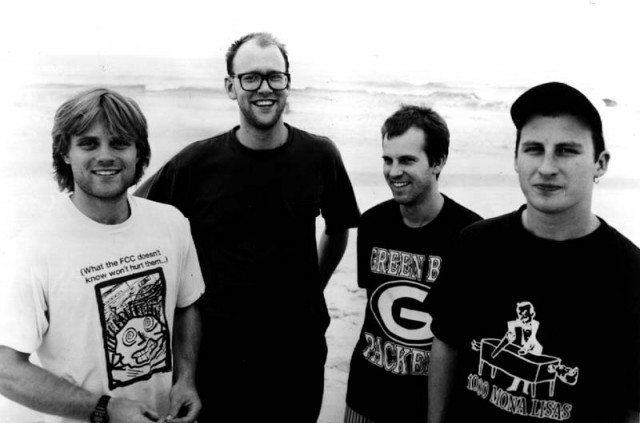
Archers of Loaf are back together and playing the 4Knots Music Festival on July 14
Saturday, July 14 Village Voice 4Knots Music Festival, with Archers of Loaf, Team Spirit, Doldrums, Devin, the Drums, Crocodiles, Hospitality, Bleached, Nick Waterhouse, South Street Seaport Piers 16 & 17, 1:00 – 8:00
Saturday, July 14 SummerStage: Latin Alternative Music Conference with Kinky, Los Auténticos Decadentes, 3Ball MTY, and DJ Raff, Rumsey Playfield, Central Park, 3:00
Saturday, July 14 Live Music on the Oval: Roots & Rock Sessions with Blitzen Trapper and Ben Kweller, Stuyvesant Town Oval, 3:00
Saturday, July 14 River to River Festival: EcstaticTM Summer: A Far Cry Orchestra with Daniel Lopatin and David Lang, World Financial Center Winter Garden, 7:00
Saturday, July 14 Celebrate Brooklyn! Saturday Night Fever (John Badham, 1977) and Tragedy, Prospect Park Bandshell, 7:30
Sunday, July 15 River to River Festival: CHERYL: On the Waterfront, Pier 16, South Street Seaport, 4:00 – 10:00
Sunday, July 15 SummerStage: A Guthrie Family Reunion: Celebrating Woody Guthrie’s 100 Birthday with Arlo Guthrie, Abe Guthrie, Cathy Guthrie, Annie Guthrie, and Sara Lee Guthrie and Johnny Irion, Rumsey Playfield, Central Park, 7:00
Sunday, July 15 City Parks Foundation: Felix Hernandez’s Rhythm Revue and Blue Magic, Crotona Park, 7:00
Sunday, July 15 River to River Festival: Alarm Will Sound performing John Cage’s Song Books, Michael Schimmel Center for the Arts at Pace University, 7:30
Monday, July 16 Martin Luther King Jr. Concert Series: Bootsy Collins and S.O.S. Band, Wingate Field, 7:30
Monday, July 16 Concerts in the Park: New York Philharmonic plays Lyadov’s “Polonaise in Memory of A.S. Pushkin,” Tchaikovsky’s Violin Concerto, and Brahms’s Symphony No. 1, conducted by Andrey Boreyko, with violinist James Ehnes, Central Park, 8:00
Tuesday, July 17 Summer on the Plaza: Thomas “the Lion of Zimbabwe” Mapfumo, World Financial Center Plaza, 220 Vesey St., 5:30
Tuesday, July 17 Hudson Square Music & Wine Festival: Sam Moore, City Winery courtyard, 155 Varick St., 5:30
Tuesday, July 17 City Parks Foundation: The Chi-Lites and Felix Hernandez’s Rhythm Revue, Queensbridge Park, 7:00
Tuesday, July 17 Live at the Gantries: The Ebony Hillbillies, Gantry Plaza State Park, 7:00
Tuesday, July 17 Concerts in the Park: New York Philharmonic plays Lyadov’s “Polonaise in Memory of A.S. Pushkin,” Tchaikovsky’s Violin Concerto, and Brahms’s Symphony No. 1, conducted by Andrey Boreyko, with violinist James Ehnes, Van Cortlandt Park, 8:00
Wednesday, July 18 Summer on the Plaza: Pastures of Plenty — A Celebration of Song, with Clarence Bucaro, Grace Building Plaza, 43rd St. at Sixth Ave., 12:30
Wednesday, July 18 City Parks Foundation: Big Daddy Kane and Marley Marl, Queensbridge Park, 7:00
Wednesday, July 18 Mad Sq. Music Oval Lawn Series: Jeff “Tain” Watts Quartet, Madison Square Park, 7:00
Wednesday, July 18 The Sway Machinery and Morning Musuko, the Paper Box, 17 Meadow St. between Waterbury and Bogart, 9:00
Thursday, July 19 BAM Rhythm & Blues Festival: Orchestre Poly-Rythmo, MetroTech Commons, 12 noon
Thursday, July 19 Lacoste Live Concert Series: Pretty Good Friends with Eugene Mirman and OK Go, Williamsburg Park
Thursday, July 19 City Parks Foundation: WAR and Felix Hernandez’s Rhythm Revue, Queensbridge Park, 7:00
Friday, July 20 Today Show Toyota Concert Series: Hot Chelle Rae, Rockefeller Plaza, 7:00 am
Friday, July 20 City Parks Foundation: Tony Vacca’s World Rhythms, Sara D. Roosevelt Park, 10:30 am
Friday, July 20 City Parks Foundation: Griots in Concert, Crotona Park, 10:30 am
Friday, July 20 Passport Fridays: Cuba, with dance and music by Oyu Oro and screening of Suite Habana (Fernando Pérez, 2003), Queens Museum, 6:30
Friday, July 20 Celebrate Brooklyn! Machel Montano, BélO, Prospect Park Bandshell, 7:30
Friday, July 20 Seaside Summer Concert Series: Squeeze and the Romantics, West 21st St. & Surf Ave. in Coney Island, 7:30
Saturday, July 21 Live Music on the Oval: Roots & Rock Sessions with Eilen Jewell and Mark Erelli, Stuyvesant Town Oval, 3:00
Saturday, July 21 SummerStage: Bebel Gilberto, Criolo, Flávio Renegado, and DJ Béco Dranoff, Rumsey Playfield, Central Park, 3:00
Saturday, July 21 Celebrate Brooklyn! Arturo Sandoval, Arturo O’Farrill & the Afro Latin Jazz Orchestra, Prospect Park Bandshell, 7:30
Sunday, July 22 SummerStage: Orchestre Poly-Rythmo, SMOD, Bibi Tanga and the Selenites, and DJ Chief Boima, Rumsey Playfield, Central Park, 3:00
Monday, July 23 Martin Luther King Jr. Concert Series: Celebration of the Fiftieth Anniversary of Jamaica and Trinidad & Tobago, annual Caribbean Night with Bunji Garlin & Asylum and the Mighty Sparrow, Wingate Field, 7:30
Tuesday, July 24 Summer on the Plaza: Les Chauds Lapins, World Financial Center Plaza, 220 Vesey St., 5:30
Tuesday, July 24 Hudson Square Music & Wine Festival: Brazil Fest with Luisa Maria, City Winery courtyard, 155 Varick St., 5:30
Tuesday, July 24 City Parks Foundation: Full Force, Johnny Kemp of Force MD’s, Jeff Redd, and Meli’sa Morgan, Springfield Park, 7:00
Tuesday, July 24 Live at the Gantries: Tahuantinsuyo Music of the Andes, Gantry Plaza State Park, 7:00
Tuesday, July 24 Naumburg Orchestral Concerts: the Knights play Reich’s “Duet,” Purcell’s “Airs and Dances,” a world premiere by Matt Herskowitz, Milhaud’s “La création du monde,” Op. 81a, Copland’s “Quiet City,” and Haydn’s Symphony No. 8, “Le Soir,” hosted by Midge Woolsey, Historic Naumburg Bandshell, Central Park, 7:30
Wednesday, July 25 Summer on the Plaza: Pastures of Plenty — A Celebration of Song, with Sarah Donner, Grace Building Plaza, 43rd St. at Sixth Ave., 12:30
Wednesday, July 25 Mad Sq. Music Oval Lawn Series: Regina Carter’s “Reverse Thread,” Madison Square Park, 7:00
Wednesday, July 25 City Parks Foundation: Le’Andria Johnson, Trin-I-Tee 5:7, Brian Courtney Wilson, and Amber Bullock, Springfield Park, 7:00
Wednesday, July 25 Lincoln Center Out of Doors: Nile Rodgers & the CHIC Organization, DJ KS*360 aka Kwikstep presents Behind the Groove, Damrosch Park Bandshell, 7:30
Wednesday, July 25 Summer Recital Series: Met Opera in the Parks Danielle de Niese, Dimitri Pittas, John Del Carlo, and pianist Dan Saunders, Rumsey Playfield, 8:00
Thursday, July 26 BAM Rhythm & Blues Festival: Pedrito Martinez, MetroTech Commons, 12 noon
Thursday, July 26 RiverRocks: Oberhofer, the Soft Pack, Pier 84 at West 44th St., 6:00
Thursday, July 26 City Parks Foundation: Tamia, Springfield Park, 7:00
Thursday, July 26 Lincoln Center Out of Doors: G.R.U.B.B. (Gypsy Roma Urban Balkan Beats), the Stooges Brass Band, Damrosch Park Bandshell, 7:30
Thursday, July 26 Seaside Summer Concert Series: Annual Latino Music by the Sea, with Oscar De Leon, Luis Enrique, and N’Klabe, West 21st St. & Surf Ave. in Coney Island, 7:30
Friday, July 27 GMA Summer Concert Series: No Doubt, Rumsey Playfield, Central Park, 7:00 am
Friday, July 27 City Parks Foundation: Shine and the Moonbeams, Sara D. Roosevelt Park, 10:30 am
Friday, July 27 Passport Fridays: Egypt, with dance and music by Egyptian Celebration Company and screening of Microphone (Ahmad AbdallahmadAbdalla, 2010), Queens Museum, 6:30
Friday, July 27 Summer Recital Series: Met Opera in the Parks Danielle de Niese, Dimitri Pittas, John Del Carlo, and pianist Dan Saunders, Brooklyn Bridge Park, 7:00
Friday, July 27 Celebrate Brooklyn! The Head and the Heart, Lost in the Trees, Prospect Park Bandshell, 7:30
Friday, July 27 Lincoln Center Out of Doors: Los Irreales de Ondatrópica featuring Michi Sarmiento, Alfredito Linares, Pedro Ramayá Beltran, Markitos Micolta, & Wilson Viveros and Wil-Dog el Gavachillo featuring Banda Sol de Santa Cruz, Damrosch Park Bandshell, 7:30
Saturday, July 28 Live Music on the Oval: Roots & Rock Sessions with Alejandro Escovedo and Kat Edmonson, Stuyvesant Town Oval, 3:00
Saturday, July 28 SummerStage: Gary Clark Jr. and Givers, Rumsey Playfield, Central Park, 3:00
Saturday, July 28 Celebrate Brooklyn! Music & Movies: The Muppet Movie (Frank Oz, 1979) and Loser’s Lounge, Prospect Park Bandshell, 7:30
Saturday, July 28 Lincoln Center Out of Doors: Istanbulive presents Selda Bağcan, Ilhan Erşahin’s Wonderland featuring Hüsnü Senlendirici, and the Secret Trio, Damrosch Park Bandshell, 7:30
Sunday, July 29 Lincoln Center Out of Doors: “OurLand”: Celebrating Irish Culture in America! The Music, the Bards, the Magic, Hearst Plaza Stage, 2:00
Sunday, July 29 SummerStage: Héctor “El Torito” Acosta, DJ Lobo, and Alex Sensation, Rumsey Playfield, Central Park, 3:00
Sunday, July 29 Lincoln Center Out of Doors: “OurLand”: Celebrating Irish Culture in America! The Music, the Bards, the Magic, Josie Robertson Plaza, 5:00
Sunday, July 29 Lincoln Center Out of Doors: “OurLand”: Celebrating Irish Culture in America! The Music, the Bards, the Magic, Damrosch Park Bandshell, 6:00
Sunday, July 29 City Parks Foundation: Taj Weekes & Adowa, Shine & the Moonbeams, Randolph Matthews, screening of Africa United, Springfield Park, 7:00
Monday, July 30 City Parks Foundation: Shine and the Moonbeams, Coffey Park, 10:30 am
Monday, July 30 City Parks Foundation: Randolph Matthews, Rochdale Park, 10:30 am
Monday, July 30 Martin Luther King Jr. Concert Series: Public Enemy and Salt-n-Pepa, Wingate Field, 7:30
Tuesday, July 31 Summer on the Plaza: Maria de Barros, World Financial Center Plaza, 220 Vesey St., 5:30
Tuesday, July 31 Hudson Square Music & Wine Festival: Ollabelle, City Winery courtyard, 155 Varick St., 5:30
Tuesday, July 31 Summer Recital Series: Met Opera in the Parks with Edward Parks, Deanna Breiwick, Alexander Lewis, and pianist Vlad Iftinca, Rumsey Playfield, 7:00
Tuesday, July 31 City Parks Foundation: Keith Murray, the Beatnuts, Tappen Park, 7:00
Tuesday, July 31 Live at the Gantries: Blue Pipa Trio, Gantry Plaza State Park, 7:00
Wednesday, August 1 Summer on the Plaza: Michael Pemberton, Grace Building Plaza, 43rd St. at Sixth Ave., 12:30
Wednesday, August 1 Mad Sq. Music Oval Lawn Series: An evening with Suzzy and Maggie Roche, Sloan Wainwright, and Lucy Wainwright Roche, Madison Square Park, 6:30
Wednesday, August 1 The Concerts for City Greens: Love Will Keep Us Together, celebrating the songs of Neil Sedaka, with Neil Sedaka, Carole Demas, Holland Grossman, Marquee Five, Jim Van Slyke, Terese Genecco, Sean Harkness, and Bill Zeffiro, hosted by Raissa Katona Bennett, Tudor City Greens, 6:30
Wednesday, August 1 City Parks Foundation: Rob Base, Tappen Park, 7:00
Wednesday, August 1 Lincoln Center Out of Doors: Yemen Blues, Khaira Arby, UkanDanZ, Damrosch Park Bandshell, 7:00
Thursday, August 2 BAM Rhythm & Blues Festival: Blitz the Ambassador, MetroTech Commons, 12 noon
Thursday, August 2 City Parks Foundation: The Metropolitan Opera Summer Recital Series, Clove Lakes Park, 7:00
Thursday, August 2 City Parks Foundation: GQ and Felix Hernandez’s Rhythm Revue, Tappen Park, 7:00
Thursday, August 2 Celebrate Brooklyn! Music & Movies: Romeo and Juliet (Franco Zeffirelli, 1968) and the Love Show, Prospect Park Bandshell, 7:30
Thursday, August 2 Lincoln Center Out of Doors: On Sacred Ground: Stravinsky’s Rite of Spring, arranged and performed by the Bad Plus, and Brandt Brauer Frick Ensemble, Damrosch Park Bandshell, 7:30
Thursday, August 2 Seaside Summer Concert Series: Dennis DeYoung: The Music of Styx, Lou Gramm: The Voice of Foreigner, and Bobby Kimball: Original Lead Singer of Toto, West 21st St. & Surf Ave. in Coney Island, 7:30
Friday, August 3 Passport Fridays: West Indies, with dance by Something Positive, music by Village Drums of Freedom, and screening of Fire in Babylon (Stevan Riley, 2011), Queens Museum, 6:30
Friday, August 3 Celebrate Brooklyn! Wild Flag, Mission of Burma, Ted Leo, Prospect Park Bandshell, 7:30
Friday, August 3
and
Saturday, August 4 Lincoln Center Out of Doors: Kimmo Pohjonen & Helsinki Nelson: Accordion Wrestling, Damrosch Park Bandshell, 8:30
Saturday, August 4 Parked! A Food Truck Festival, with Ulysses Cannon, Liza Colby Sound, the Juggs, Johnnie Lee Jordan & the Boys, the Loom, and John Hammond, Pier 17, South Street Seaport, 10:00 am – 9:00 pm
Saturday, August 4 Rite of Summer Classical Music Festival featuring the Jack Quartet, Governors Island, free, 1:00 & 3:00
Saturday, August 4 SummerStage: Amadou & Mariam, Rumsey Playfield, Central Park, 3:00
Saturday, August 4 Celebrate Brooklyn! The Del McCoury Band, Cahalen Morrison & Eli West, Spirit Family Reunion, Prospect Park Bandshell, 6:30
Sunday, August 5 SummerStage: Fifth annual Gospel Explosion featuring Hezekiah Walker and Friends, Vashawn Mitchell, Le’Andria Johnson, and James Fortune & F.I.Y.A., Rumsey Playfield, Central Park, 4:00
Sunday, August 5 Lincoln Center Out of Doors: Heritage Sunday: Ayiti Rasanble! Featuring Feet of Rhythm, Kongo featuring Peniel Guerrier, La Troupe Makandal, and Raram, Hearst Plaza, 1:00–6:00
Sunday, August 5 Lincoln Center Out of Doors: Las Caras Lindas de Mi Gente Negra—Homenja a Tite Curet Alonso featuring Grupo Esencia de Ponce, Puerto Rico, and Viento de Agua, with special guest Lalo Rodríguez, Damrosch Park Bandshell, 7:30
Monday, August 6 City Parks Foundation: Sidi Touré, the Pedrito Martinez Group, Wouter Kellerman, Marcus Garvey Park, 7:00
Monday, August 6 Martin Luther King Jr. Concert Series: Heads of State featuring Bobby Brown, Johnny Gill, and Ralph Tresvant, Wingate Field, 7:30
Tuesday, August 7 Hudson Square Music & Wine Festival: Ryan Montbleau Band, City Winery courtyard, 155 Varick St., 5:30
Tuesday, August 7 City Parks Foundation: The Metropolitan Opera Summer Recital Series, Jackie Robinson Park, 7:00
Tuesday, August 7 Live at the Gantries: York College Summer Big Band, Gantry Plaza State Park, 7:00
Tuesday, August 7 City Parks Foundation: Robert Glasper Experience with special guests, Marcus Garvey Park, 7:00
Tuesday, August 7 Naumburg Orchestral Concerts: Lara St. John, Pablo Ziegler & Friends Celebrate the 25th Anniversary of Astor Piazzolla’s 1987 Central Park Concert, Historic Naumburg Bandshell, Central Park, 7:30
Wednesday, August 8 Summer on the Plaza: Sherita, Grace Building Plaza, 43rd St. at Sixth Ave., 12:30
Wednesday, August 8 Mad Sq. Music Oval Lawn Series: Bettye LaVette, Madison Square Park, 7:00
Wednesday, August 8 City Parks Foundation: Smokie Norful, Marcus Garvey Park, 7:00
Wednesday, August 8 Lincoln Center Out of Doors: Dr. L. Subramaniam—Global Fusion featuring Kavita Krishnamurthi Subramaniam, Larry Coryell, Corky Siegel, Bindu Subramaniam, and Ambi Subramaniam, and the Alaev Family, Damrosch Park Bandshell, 7:30
Thursday, August 9 BAM Rhythm & Blues Festival: Aloe Blacc, MetroTech Commons, 12 noon
Thursday, August 9 RiverRocks: Wild Nothing, Grimes, Pier 84 at West 44th St., 6:00
Thursday, August 9 City Parks Foundation: The Metropolitan Opera Summer Recital Series, Socrates Sculpture Garden, 7:00
Thursday, August 9 City Parks Foundation: Jon B, Jagged Edge, Marcus Garvey Park, 7:00
Thursday, August 9 Lincoln Center Out of Doors: !!! and Lenny Williams, Damrosch Park Bandshell, 7:30
Thursday, August 9 Seaside Summer Concert Series: Joan Jett and the Blackhearts, West 21st St. & Surf Ave. in Coney Island, 7:30
Friday, August 10 Passport Fridays: Taiwan, with dance by Nai-Ni Chen Dance Company, music by Taiwanese Music Ensemble of New York, and screening of Fishing Luck (Wen-chen Tseng, 2005), Queens Museum, 6:30
Friday, August 10 Lincoln Center Out of Doors: Valerie Simpson and Friends: Tribute to Nick Ashford, with Cleo Parker Robinson Dance Company, Damrosch Park Bandshell, 7:00
Friday, August 10 Celebrate Brooklyn! Little Dragon, Frankie Rose, Voices of Black, Prospect Park Bandshell, 7:30
Saturday, August 11 Lincoln Center Out of Doors: La Casita, featuring poetry and spoken word performances by Abiodun Oyewole, Aneta Brodski & Tahani, Briceida Cuevas, Charlie Chin, Gypsee Yo, Intikana, Iyaba Ibo Mandingo, Peggy Robles–Alvarado, and Rachel McKibbens and musical performances by Gerard Edery, KiT (Kuenta I Tambú), Mireya Ramos & 809 Ladies Band, Tulali, and Said Damir, with MC Simply Rob, Hearst Plaza, 12 noon
Saturday, August 11 SummerStage: Carolina Chocolate Drops, Buckwheat Zydeco, Abigail Washburn, Rumsey Playfield, Central Park, 3:00
Saturday, August 11 Lincoln Center Out of Doors: twenty-ninth Annual Roots of American Music Festival with Otis Clay & the Platinum Band; Soulful Songwriters Circle: William Bell, Teenie Hodges, and Dann Penn; the Triple Goddess Twilight Revue — Celebrating the Music of Laura Nyro featuring Nona Hendryx, Sarah Dash, Melissa Manchester, Desmond Child & Rouge, and Kate Ferber; and the Willie Mae Rock Camp for Girls All-Stars: Sister Songwriters, Damrosch Park Bandshell, 5:00
Saturday, August 11 Celebrate Brooklyn! Lyle Lovett and His Acoustic Group, Aoife O’Donovan, Prospect Park Bandshell, 7:30
Sunday, August 12 Lincoln Center Out of Doors: Twenty-ninth annual Roots of American Music Festival, with Erin McKeown and Her Fine Parade, Taylor Mac, Tom Paxton, Daniel Kahn & the Painted Bird, and Pura Fé Trio, Hearst Plaza, 12 noon – 5:30
Sunday, August 12 Sound Bites: Eternal Summers, Fulton Stall Market, South Street Seaport, 3:00
Sunday, August 12 Lincoln Center Out of Doors: twenty-ninth Annual Roots of American Music Festival with Otis Clay & the Platinum Band; Soulful Songwriters Circle: William Bell, Teenie Hodges, and Dann Penn; the Triple Goddess Twilight Revue — Celebrating the Music of Laura Nyro featuring Nona Hendryx, Sarah Dash, Melissa Manchester, Desmond Child & Rouge, and Kate Ferber; and the Willie Mae Rock Camp for Girls All-Stars: Sister Songwriters, Teatro Pregones, 3:00 – 8:00
Sunday, August 12 SummerStage: The Fourth Annual R&B Fest featuring Eric Benét and others, Rumsey Playfield, Central Park, 4:00
Sunday, August 12 City Parks Foundation: SummerStage Kids Uptown Family Day with Jazz at Lincoln Center’s Jazz for Young People on Tour, Little Club Heads, Double Dutch Dreamz, Marcus Garvey Park, 4:00
Sunday, August 12 Lincoln Center Out of Doors: Twenty-ninth annual Roots of American Music Festival, Pardon Our Analysis: An All-Star Gathering for Gil Scott-Heron, performed by Black Rock Coalition Orchestra & Guests featuring Brian Jackson, Sapphire, Martha Redbone, Abiodun Oyewole, Sandra St. Victor, Carl Hancock Rux, A. Van Jordan, Gordon Voidwell, Hanifah Walidah, and Willie Perdomo, with Aloe Blacc and Swamp Dogg, Damrosch Park Bandshell, 6:00
Sunday, August 12 City Parks Foundation: Yerba Buena, DJ Bobbito Garcia a.k.a. Kool Bob Love, Doin’ It in the Park: Pick-Up Basketball, NYC (Bobbito Garcia & Kevin Couliau, 2012), Marcus Garvey Park, 7:00
Tuesday, August 14 Hudson Square Music & Wine Festival: Marshall Crenshaw, City Winery courtyard, 155 Varick St., 5:30
Monday, August 13 Martin Luther King Jr. Concert Series: Ledisi, Wingate Field, 7:30
Tuesday, August 14 SummerStage: Goapele, Yolanda Zama, Come Back Africa (Lionel Rogosin, 1959), Rumsey Playfield, Central Park, 7:00
Tuesday, August 14 City Parks Foundation: Toby Love, Highbridge Park, 7:00
Tuesday, August 14 Live at the Gantries: Christel Rice, Gantry Plaza State Park, 7:00
Wednesday, August 15 City Parks Foundation: Henry Santos, Highbridge Park, 7:00
Thursday, August 16 City Parks Foundation: 24 Horas, K Rose, Highbridge Park, 7:00
Thursday, August 16 Seaside Summer Concert Series: Gladys Knight and the Commodores, West 21st St. & Surf Ave. in Coney Island, 7:30
Friday, August 17 GMA Summer Concert Series: Neon Trees, Rumsey Playfield, Central Park, 7:00 am
Friday, August 17 Passport Fridays: Dominican Republic, with music by Irka & the Women of Fire and Los Calientes and screening of Louis Vargas: Santo Domingo Blues (Alex Wolfe, 2004), Queens Museum, 6:30
Saturday, August 18 SummerStage: Australia Day featuring Megan Washington, Emma Donavan, DJ Ashley Feraude with Jonty Hall, Rumsey Playfield, Central Park, 3:00
Saturday, August 18 Lacoste Live Concert Series: Sharon Jones & the Dap Kings, Antibalas, and the Menahan Street Band, Williamsburg Park
Sunday, August 19 Sound Bites: Caged Animals, Fulton Stall Market, South Street Seaport, 3:00
Sunday, August 19 SummerStage: Jamaica’s 50th Anniversary of Independence Celebration featuring Inner Circle, Israel Vibration, the Mighty Diamonds, DJ Carter Van Pelt, Rumsey Playfield, Central Park, 3:00
Monday, August 20 Martin Luther King Jr. Concert Series: Annual Gospel Night, with Cissy Houston (featuring a tribute to her daughter Whitney Houston) and Vickie Winans, Wingate Field, 7:30
Monday, August 20 City Parks Foundation: Araabmuzik, Flosstradamus, Teengirl Fantasy, and Nick Hook, East River Park, 6:00
Monday, August 20
through
Thursday, August 23 Summer on the Plaza: Pastures of Plenty — A Celebration of Song: Debussy 150, One Liberty Plaza lobby, 160 Broadway, 11:30 am – 2:00 pm
Tuesday, August 21 Hudson Square Music & Wine Festival: Toubab Crew, City Winery courtyard, 155 Varick St., 5:30
Tuesday, August 21 City Parks Foundation: José Alberto “El Canario,” 8 y Más, DJ Polito Vega, East River Park, 7:00
Wednesday, August 22 City Parks Foundation: Lyricist Lounge Twenty-year Anniversary w/ Pete Rock vs. DJ Premier, East River Park, 7:00
Thursday, August 23 Two Boots Twenty-fifth Anniversary Concert, East River Park, 7:00
Friday, August 24 GMA Summer Concert Series: The Wanted, Rumsey Playfield, Central Park, 7:00 am
Friday, August 24 Today Show Toyota Concert Series: Train, Rockefeller Plaza, 7:00 am
Friday, August 24 Passport Fridays: Puerto Rico, with dance by Bombazo Dance Company, music by Orquesta Rovira, and screening of Cayo (Vicente Juarbe, 2005), Queens Museum, 6:30
Friday, August 24 Charlie Parker Jazz Festival with Bird with Strings with Miguel Atwood-Ferguson and special guests, Marcus Garvey Park, 7:00
Saturday, August 25 Afropunk Festival: Erykah Badu featuring the Cannibanoids, Gym Class Heroes, Janelle Monae, Das Racist, Skindred, Toro y Moi, Reggie Watts, Spank Rock, Ninjasonik, Toshi Reagon, Straight Line Stitch, the Memorials, Bad Rabbits, Gordon Voidwell, the London Souls, Cerebral Ballzy, Phony Ppl, Body Language, and others, Commodore Barry Park, 11:00 am – 10:00 pm
Saturday, August 25 Charlie Parker Jazz Festival with Roy Haynes, Rene Marie’s “Experiment in Truth,” Derrick Hodge, and ERIMAJ, Marcus Garvey Park, 3:00
Sunday, August 26 Sound Bites: Ski Lodge, Fulton Stall Market, South Street Seaport, 3:00
Saturday, August 26 Charlie Parker Jazz Festival with Gregory Porter, Andy Milne and Dapp Theory, and Sullivan Fortner, Tompkins Square Park, 3:00
Tuesday, August 28 Hudson Square Music & Wine Festival: Poundcake, City Winery courtyard, 155 Varick St., 5:30
Friday, August 31 Today Show Toyota Concert Series: Jason Mraz with special guest Christina Perri, Rockefeller Plaza, 7:00 am
Monday, September 3 Rite of Summer Classical Music Festival featuring Todd Reynolds, Governors Island, free, 1:00 & 3:00
Friday, September 7 Lacoste Live Concert Series: Bob Mould Plays Copper Blue and Silver Age, along with Hüsker Dü, Sugar, and Mould Solo Classics, Williamsburg Park