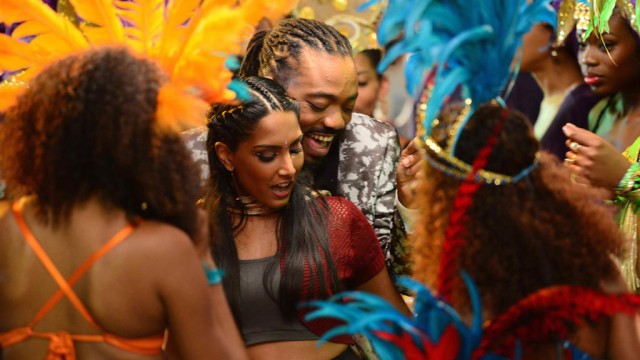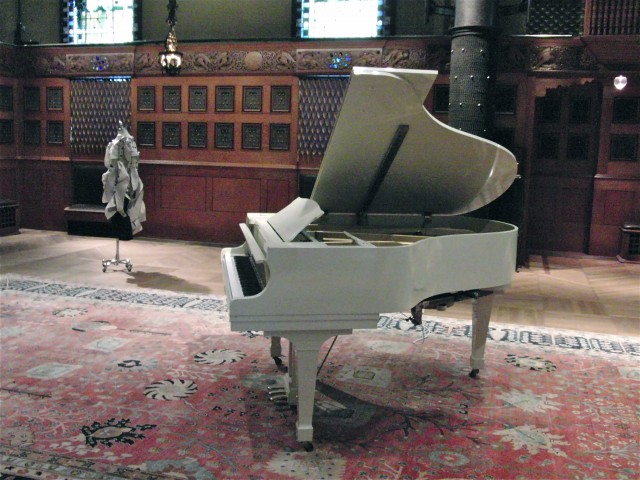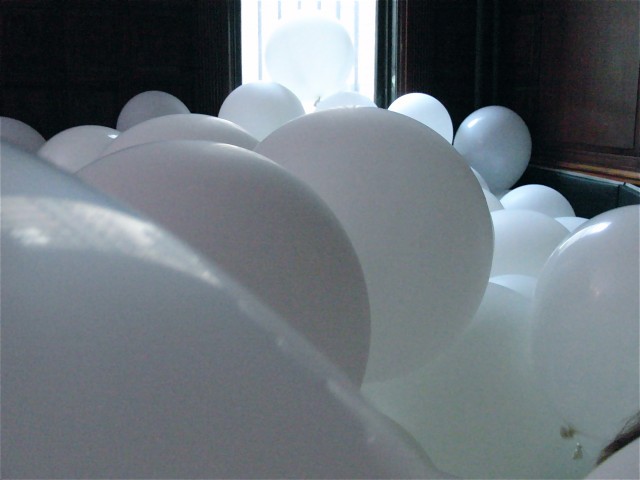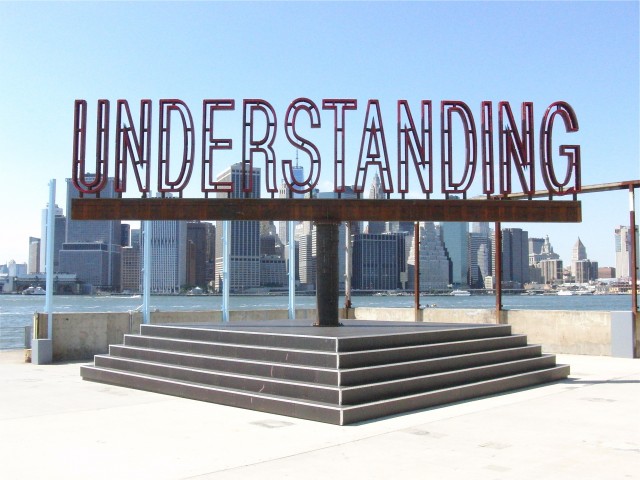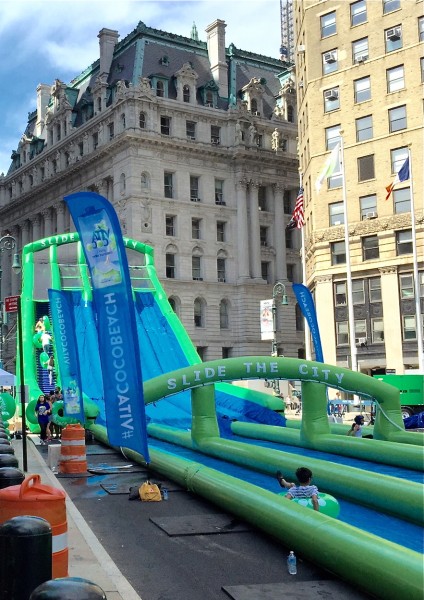
Giant slide is a highlight of Summer Streets program on first three Saturday mornings in August (photo by twi-ny/ees)
Park Ave. & 72nd St. to Foley Square
Saturday, August 6, 13, 20, free, 7:00 am – 1:00 pm
www.nyc.gov
Now in its seventh year, Summer Streets takes place the next three Saturday mornings, as Park Ave. will be closed to vehicular traffic from 72nd St. to Foley Square and the Brooklyn Bridge from 7:00 am to 1:00 pm, encouraging people to walk, run, jog, blade, skate, slide, and bike down the famous thoroughfare, getting exercise and enjoying the great outdoors without car exhaust, speeding taxis, and slow-moving buses. There are five rest stops along the route (Uptown at 52nd St., Midtown at 25th, Astor Pl. at Lafayette St., SoHo at Spring & Lafayette, and Foley Square at Duane & Centre), where people can stop for some food and drink, live performances, fitness classes, site-specific art installations, dog walks, bicycle workshops, and other activities, all of which are free. Below are some of the highlights.
Foley Square Rest Stop
Beachside Slide (advance preregistration required,) Adaptive Obstacle Challenge, “On Display / CitiSummerStreets” living sculpture by Heidi Latsky, “M2B, Beijing-New York” mobile bike sculpture by Niko de la Fey, historical reenactors, Department of Design and Construction: The Art and Construction of NYC’s Water Supply, Bronx Museum of the Arts workshop (August 20)
SoHo Rest Stop
Fitness classes, free bike repair and rentals, parkour fitness demonstrations, Museum of Chinese in America “Dragon Boat Crown Making” (August 6 & 20), Storefront for Art and Architecture “Manhattanisms” (August 13)
Astor Place Rest Stop
“Make It Here” interactive programs (athletics, social media vending machines, fashion showcases, Paws and Play Dog Park, “Los Trompos (Spinning Tops)” by Hector Esrawe and Ignacio Cadena
Midtown Rest Stop
A Taste of Summer Sampling Zone, Kid Bike Park, pop-up yoga, hand-cycle demonstration, helmet fittings, free bike rentals and repair, “GrowNYC Zero Waste Programs,” live dance, theater, and musical performances
August 6
Connor Larkin, Kelly Wright, the Other Brothers, Moondrunk
August 13
JHEVERE, Phone Home, Music with a Message, Evolfo
August 20
Orin Kurtz, Backtrack Vocals, Darrah Carr Dance, Drew and Joanne
Uptown Rest Stop
DOT Safety Zone, Zipline, “Unlimited NYC” athletics, Hallmark “Sounds of Shore” installation, “Make It Here” interactive programs (live performances, food tastings, sharing love stories), bike art party, Municipal Art Society tours, tai chi, Museum of the City of New York’s “Pushing Buttons: NYC Activism”
August 6
American Folk Art Museum’s “Families & Folk Art,” Publicolor’s “Color and Creativity, Sirens of Gotham, Receta Secreta, the Afro-Latineers, Robert Anderson Band, Stiletta, Washington Square Winds, Society of Illustrators’ “Draw and Groove Party,” Materials for the Arts’ “Found Object Flowers”
August 13
Risa Puno’s interactive “Win or Lose” game, ArchForKids’ “The Big Build,” Design Trust for Public Space’s “Under the Elevated,” National Museum of the American Indian’s “Inspired by Native/Indigenous Design,” Taliah Lempert’s “Street Smart Bike Art,” BumbleBee Jamboree, DreamStreet Theatre Company, Niall O’Leary School of Irish Dance, City Stompers, dancing classrooms
August 20
National Museum of the American Indian’s “Inspired by Native/Indigenous Design,” Taliah Lempert’s “Street Smart Bike Art,” “Poets House Imagination Station,” Art Gowanus workshop, Groundswell’s “Visualize Your Artist Skills,” New York Violinist Susan Keser, Opera Collective, Art of Stepping, Exit 12 Dance Group
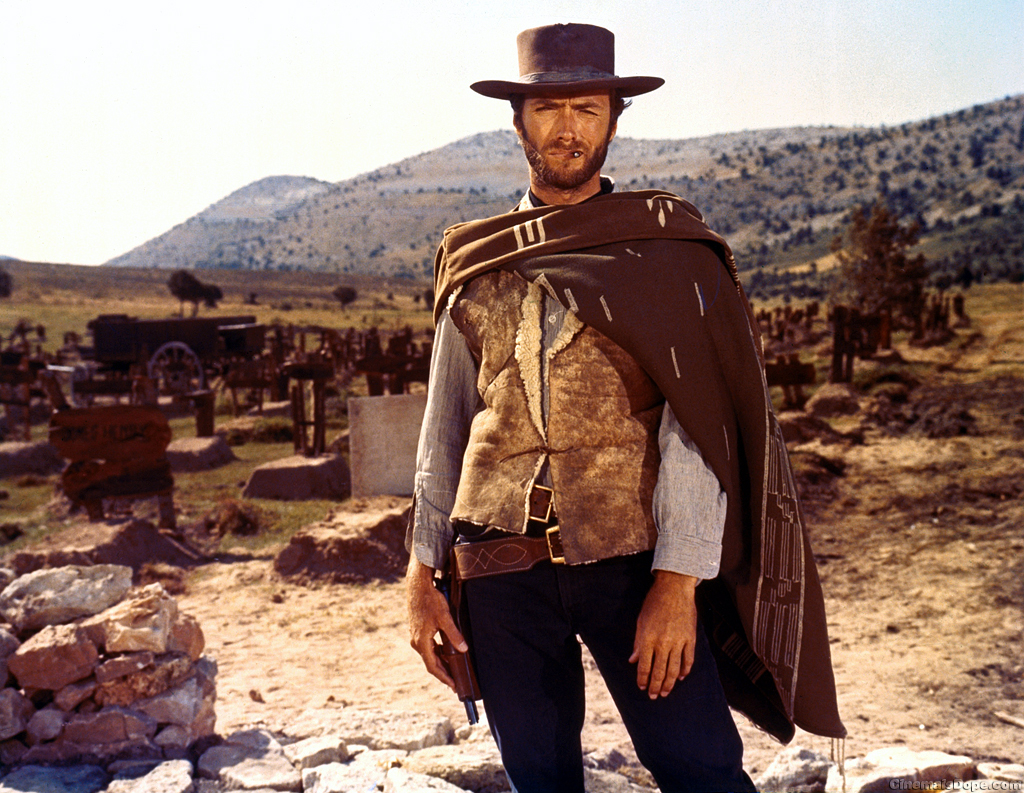
 One of the all-time-great spaghetti Westerns, Sergio Leone’s dusty three-hour operatic oater stars Clint Eastwood as the Good (Blondie), Lee Van Cleef as the Bad (Angel Eyes), and Eli Wallach as the Ugly (Tuco Benedicto Pacifico Juan Maria Ramirez, whose list of criminal offenses is a riot), three unique individuals after $200,000 in Confederate gold buried in a cemetery in the middle of nowhere. Nearly twenty minutes of never-before-seen footage was added to the film several years ago, with Wallach and Eastwood overdubbing brand-new dialogue, so if you haven’t seen it in a while, it might just be time to catch it again. Ennio Morricone’s unforgettable score and Torino delli Colli’s gorgeous widescreen cinematography were also marvelously enhanced; their work in the scene when Tuco first comes upon the graveyard will make you dizzy with delight. And then comes one of the greatest finales in cinema history. The Good, the Bad and the Ugly is screening at Nitehawk Cinema on August 6 & 7 at eleven in the morning in the dual series “Nitehawk Brunch Screenings” and “Country Brunchin’” (will spaghetti be on the menu?) and will kick off with a set by