James Murphy says farewell to LCD Soundsystem in multifaceted concert documentary
SHUT UP AND PLAY THE HITS (Dylan Southern & Will Lovelace, 2011)
BAMcinématek, BAM Rose Cinemas
30 Lafayette Ave. between Ashland Pl. & St. Felix St.
Sunday, August 6, 7:30
Series runs through August 13
718-636-4100
www.bam.org
www.shutupandplaythehits.com
 On April 2, 2011, after ten years of building a devoted following that was still growing, electronic dance-punk faves LCD Soundsystem played what was supposed to be its farewell show at Madison Square Garden. Directors Dylan Southern and Will Lovelace, who previously documented the British band Blur in No Distance Left to Run, capture the grand finale in the often bumpy, sometimes revelatory concert film Shut Up and Play the Hits. The movie is divided into three distinct sections that take place before, during, and after the massive blowout, with Southern and Lovelace weaving between them. There is extensive footage of the event at the Garden, including performances of such LCD classics as “Dance Yrself Clean,” “All My Friends,” “Us v Them,” “North American Scum,” and “Losing My Edge.” Although the multicamera approach tries to make you feel like you’re there, onstage and backstage with front man Murphy, keyboardist Nancy Whang, bassist Tyler Pope, drummer Pat Mahoney, and various special guests, it lacks a certain emotional depth, and the sound, primarily during the first songs, is terrible, although that could have been the fault of the tiny theater where we saw it more than the film itself. The second section features music journalist Chuck Klosterman (Sex, Drugs, and Cocoa Puffs: A Low Culture Manifesto) interviewing Murphy at the Spotted Pig in the West Village a week before the concert, asking inane, annoying questions that Murphy strains to answer.
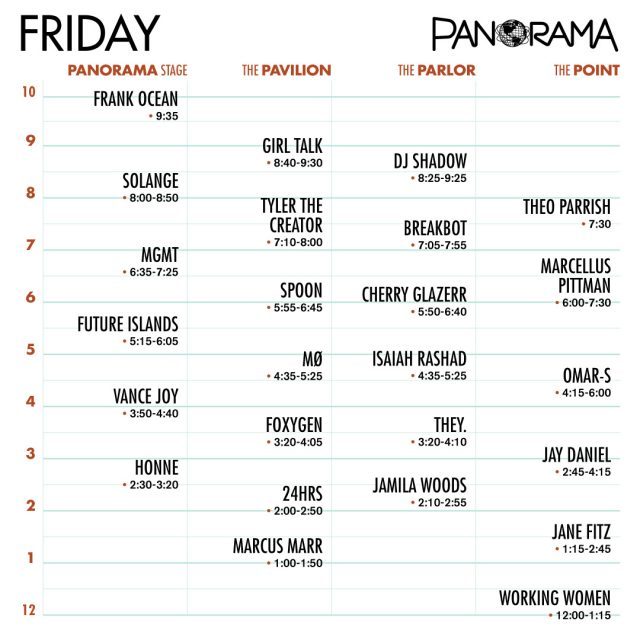
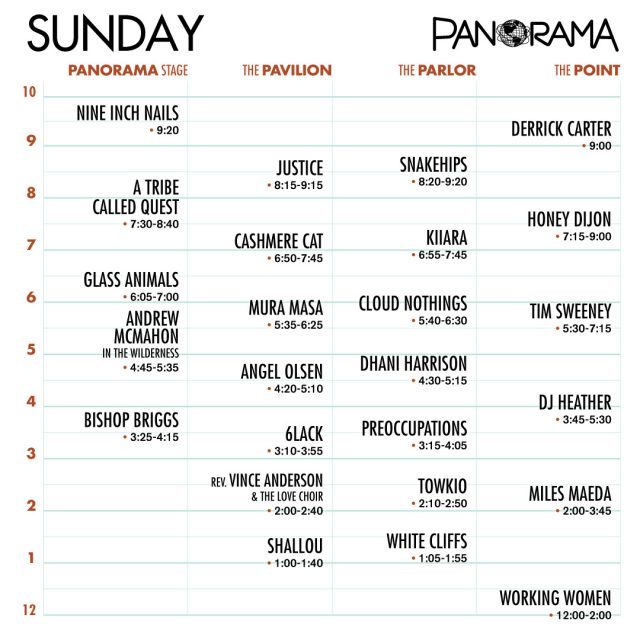
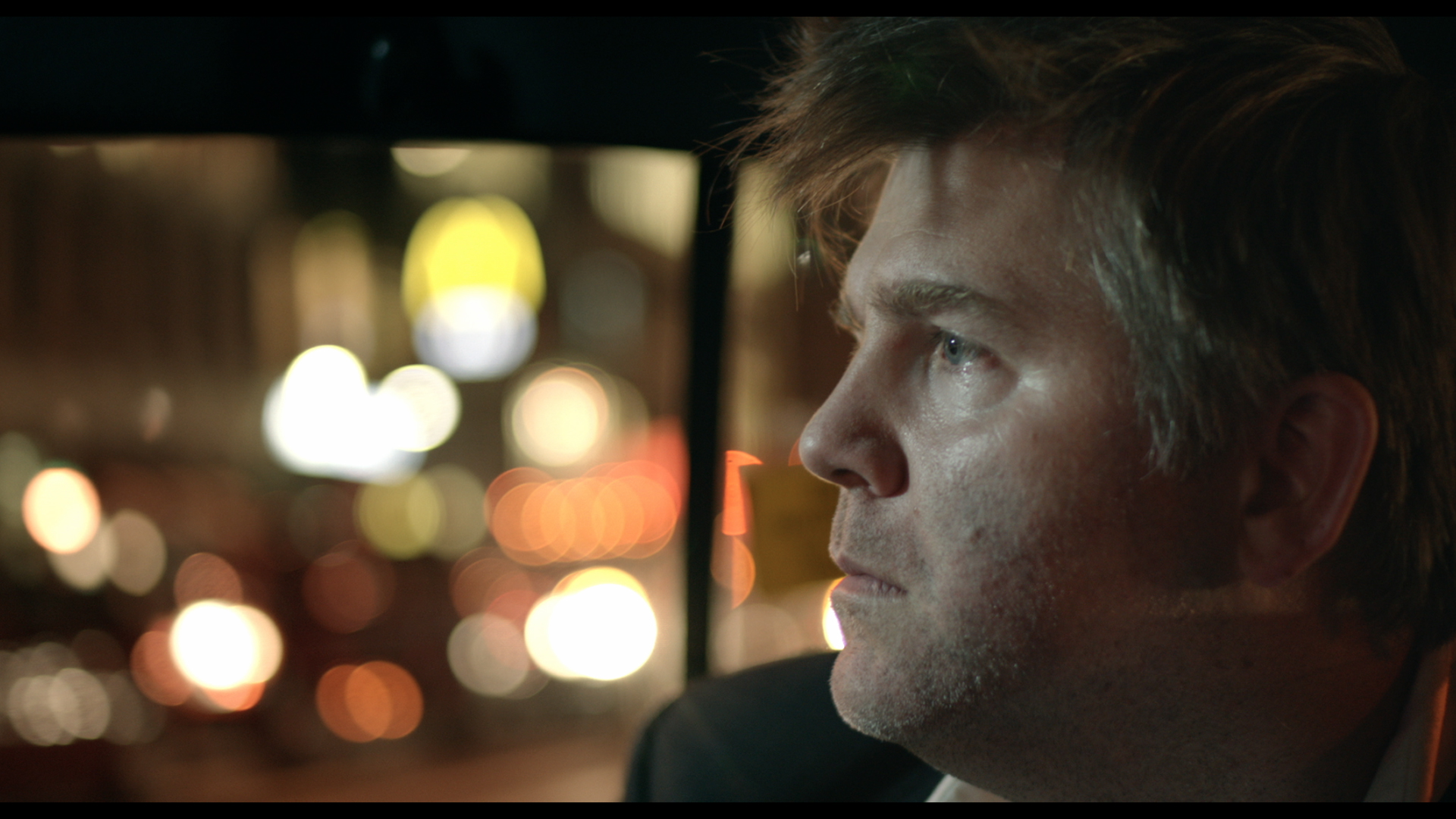
But the most fascinating part of the film by far, and how it starts, involves Murphy the day after the show. He allows the camera to follow him everywhere, from waking up in his bed with his dog to carefully shaving with an electric razor to visiting the DFA offices for the first time in a year. It’s hard to believe that the night before he was a grandiose rock star but now he is walking his pooch, sitting on a bench in front of a coffee shop, and spending most of the day alone. The camera gets right into his face, showing every gray hair, zooming in on his puffiness and his deep-set, nearly dazed eyes. The film would have benefited from less time with Klosterman and more with Murphy as he contemplates his past, present, and future. It also would have been interesting to hear from the other members of the band, but Shut Up and Play the Hits is specifically about Murphy, who, at forty-one, suddenly doesn’t know what to do with his life, having left an extremely successful gig that was only gaining popularity. (However, in January 2016 the band reunited, once again hitting the road, including a fab headlining gig at the Panorama festival that July.) Shut Up and Play the Hits is screening August 6 at 7:30 in the BAMcinématek series “In Concert,” which continues through August 13 with such other live-music films as Bill and Turner Ross’s Contemporary Color, D. A. Pennebaker’s Monterey Pop, and Mel Stuart’s Wattstax.


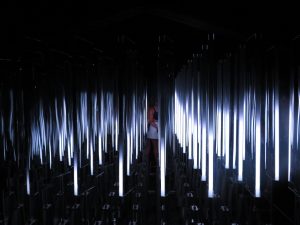
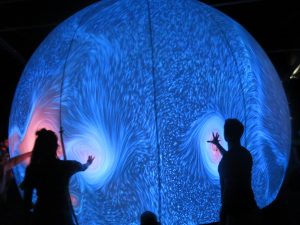

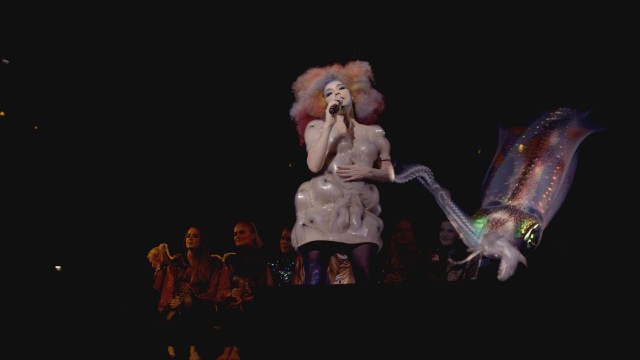
 “Welcome to Biophilia, the love for nature in all her manifestations, from the tiniest organism to the greatest red giant floating in the farthest realm of the universe. . . . In Biophilia, you will experience how the three come together: nature, music, technology. Listen, learn, and create. . . . We are on the brink of a revolution that will reunite humans with nature through new technological innovations. Until we get there, prepare, explore Biophilia.” So announces British naturalist Sir David Attenborough at the beginning of Björk: Biophilia Live, Nick Fenton and Peter Strickland’s lovely film of Icelandic musician Björk’s final show of her Biophilia tour, a more-than-two-year journey in which she presented a dazzling multimedia concert experience based on her 2011 album and genre-redefining interactive app. Filmed at the Alexandra Palace in London, the cutting-edge in-the-round show features Björk performing such complex songs as “Thunderbolt,” “Moon,” “Crystalline,” and “Virus” from the hit record, accompanied by the twenty-woman Icelandic chorus Graduale Nobili and a group of visually dramatic instruments built and/or adapted specifically for her, including a pendulum-swinging gravity harp, the percussive hang, a gameleste, and a Tesla coil. In addition, most songs have related animation that ranges from the far reaches of space to deep inside the human body. Fenton, a longtime documentary editor, and Strickland, the writer-director of such fiction films as Berberian Sound Studio and Katalin Varga, often splash the animation on the front of the screen, immersing the viewer in a vast array of shapes, colors, and scientific imagery, like a turned-around Joshua Light Show.