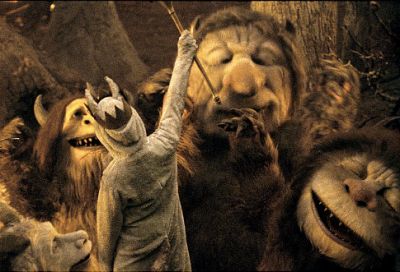
Max becomes king of the Wild Things in fantastical film
WHERE THE WILD THINGS ARE (Spike Jonze, 2009)
Opens Friday, October 16
http://wherethewildthingsare.warnerbros.com
 The endlessly inventive Spike Jonze (BEING JOHN MALKOVICH, ADAPTATION.) has done the seemingly impossible, expanding Maurice Sendak’s classic 1963 children’s book, WHERE THE WILD THINGS ARE, into a fun and fantastical feature-length film. Written by Jonze and Dave Eggers (A HEARTBREAKING WORK OF STAGGERING GENIUS), the movie uses the ten sentences of the book and Sendak’s magical characters and transforms them into a world of wonder. Acting out after his sister’s friends crush his igloo and his divorced mother (Catherine Keener) ignores him in favor of a new boyfriend (Mark Ruffalo), nine-year-old Max (Max Records) runs away and sails across the ocean, landing on a faraway island where seven giant monsters live. In search of a leader, they name Max king, but he gets more than he bargained for as the ruler of the cynical Judith (voiced by Catherine O’Hara), the dumpy Ira (Forest Whitaker), the independent KW (Lauren Ambrose), the mysterious Bull (Michael Berry Jr.), the sad sack Alexander (Paul Dano), the dependable Douglas (Chris Cooper), and, most importantly, the manic-depressive Carol (James Gandolfini).
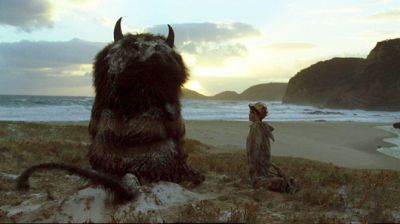
Carol and Max develop an unforgettable relationship in WILD THINGS
Each character represents a different part of Max, a developing emotion that he must learn to deal with as he grows up. He is immediately drawn to Carol, whom he first sees destroying the group’s small, makeshift homes, echoing Max’s feelings about his own family situation. Max’s relationship with Carol — himself in the midst of a breakup with KW — is the heart of the story, as Carol goes from one extreme to another, at one point bouncing around the forest with sheer glee, then snuggling up with everyone in a warming group sleep, and finally turning into a dangerous ogre. As Jonze has pointed out, WILD THINGS, which has the full blessing of Sendak, is not necessarily a movie for children but about childhood. It beautifully captures a child’s innate sense of adventure and imagination while also showing that choices come with consequences. Fans of the book will be amazed at how well Jonze depicts the Wild Things themselves, which come alive as if they just jumped right out of the pages of the book; actors (not the voice-over artists) are in the costumes, their faces digitally manipulated by CGI effects, but they feel as real as they did when your mother first read you the enchanting story while tucking you in your bed.

 In the 1970s, the so-called blaxploitation genre gave rise to such films as SHAFT, SUPER FLY, ACROSS 110th STREET, CLEOPATRA JONES, BLACK CAESAR, and DOLEMITE, movies of varying degrees of quality that tackled such themes as urban drug use, prostitution, and crime, made primarily by black filmmakers with black actors and comedians and rousing soul soundtracks. In 1997, Quentin Tarantino paid homage to the genre with JACKIE BROWN, while Keenen Ivory Wayans spoofed it in 1988’s I’M GONNA GIT YOU SUCKA. Scott Sanders’s BLACK DYNAMITE, which screened at the Sundance and Tribeca Film Festivals, can’t decide whether it’s paying tribute to the genre, spoofing it, or merely remaking it, leaving it in a no-man’s land with some very funny scenes that ultimately fall flat as a whole.
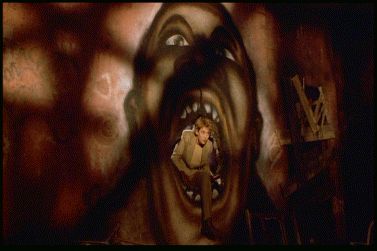
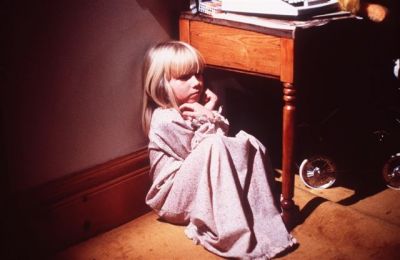



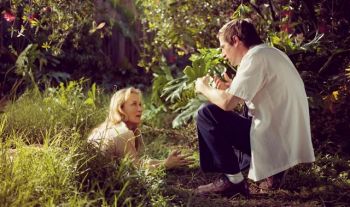
 Innovateur Spike Jonze and screenwriter Charlie Kaufman follow up the brilliant BEING JOHN MALKOVICH with this adaptation about a screenwriter (Nicolas Cage) and his twin brother (Nicolas Cage) adapting a story based on a book (THE ORCHID THIEF) created by a magazine writer from her NEW YORKER articles about a Florida botanist (Chris Cooper). You’ll never know who or what is real or made up, and that’s a big part of this movie’s charm. However, the last few moments are such a cop-out that it left us pissed off, and not in the way Jonze intended.
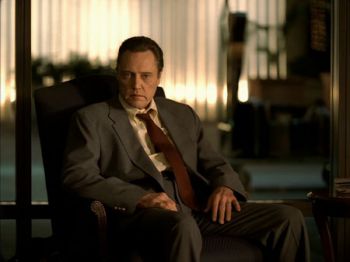

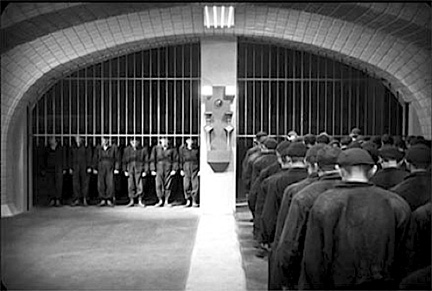
 Fritz Lang’s staggering achievement is frightfully more relevant than ever these days, with America suffering an economic meltdown and capitalism on the run. In a brilliantly realized futuristic society, Lang pits workers against owners, man against machine, and father against son amid towering stage sets and dazzling special effects. Joh Fredersen (Alfred Abel) wants his son, Freder (Gustav Fröhlich), to follow him and run the city, but after meeting Maria (Brigitte Helm), Freder soon understands the plight of the lower classes, setting in motion a battle for control and a fight for freedom. In 1984, Giorgio Moroder famously added a modern soundtrack to a shortened version of the film; here, pianist Ben Model will play live accompaniment to the longer, restored version of METROPOLIS. If you’ve never seen this majestic work, this is a great opportunity.