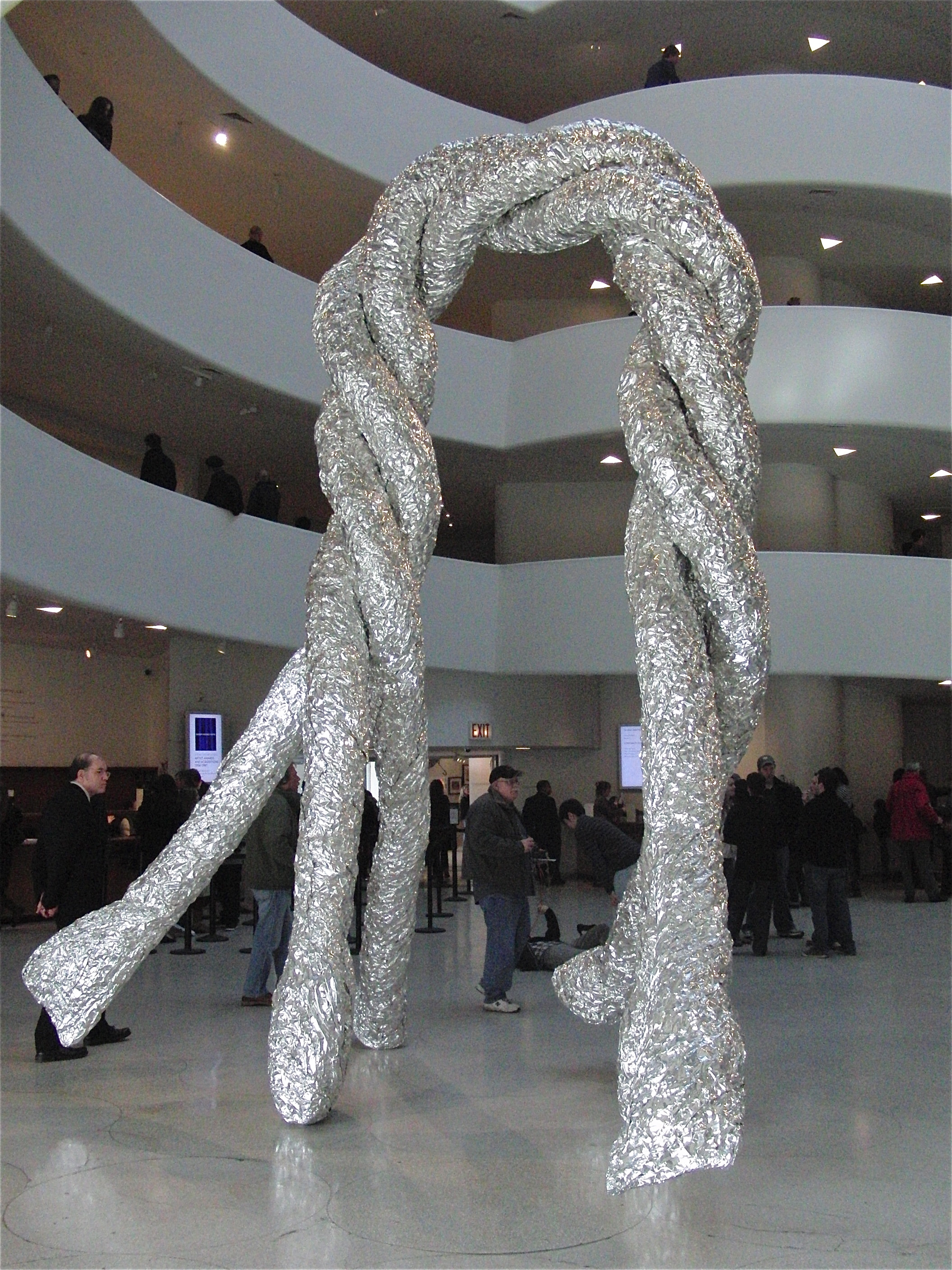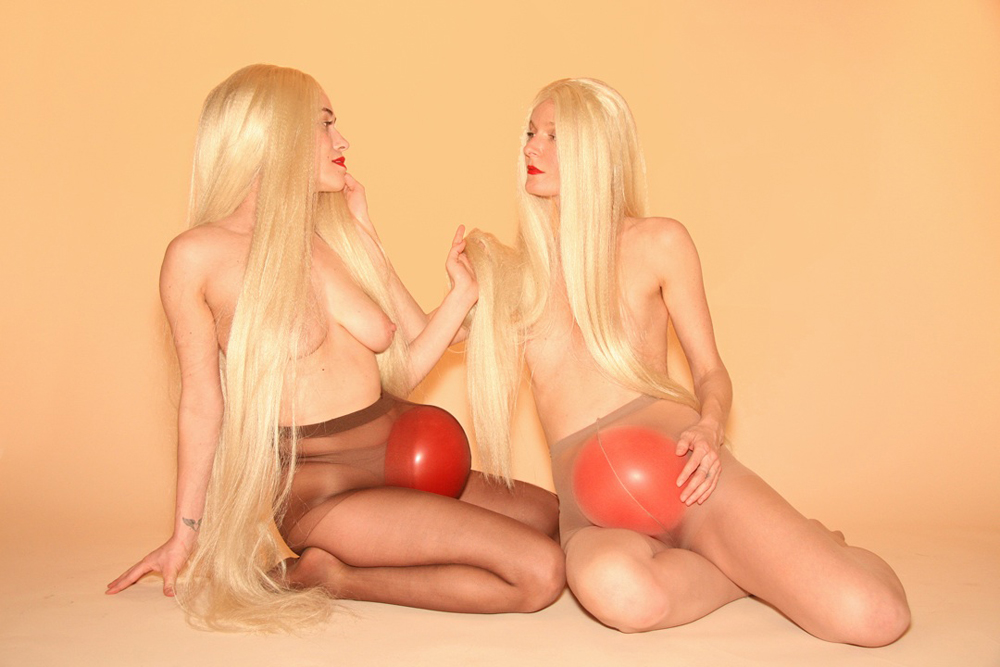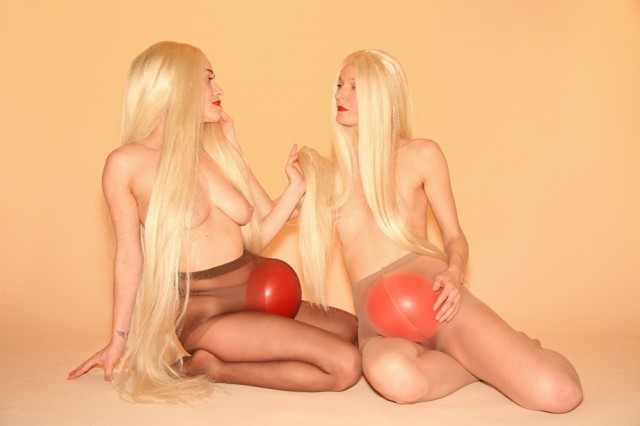
Fairgoers can take part in Inner Course’s psychic playroom “Knowing Me, Knowing You” at Pulse
The Metropolitan Pavilion
125 West 18th St. between Sixth & Seventh Aves.
May 3-6, $20 per day, $25 four-day pass
www.pulse-art.com
pulse favorites slideshow 2012
In order to avoid the mad rush of art fairs that took over the city, several regulars moved their dates to the first week of May. While Red Dot ended up canceling the 2012 edition because of labor union disputes, you can still check out Verge NYC, NADA is holding its inaugural fair, and there’s a deafening buzz about the Frieze Art Fair on Randall’s Island. But one of our annual favorites, Pulse, will be at the Metropolitan Pavilion May 3-6, with its usual highly manageable mix of painting, sculpture, video, installation, and performance. This year’s special projects include Shannon Gillen & Guests’ “BOTLEK,” Annie Han and Daniel Mihalyo’s “City Surface,” Jennie C. Jones’s “Rest, Dopamine Rising,” Kristofer Porter’s “Tappan Zee Burro,” Risa Puno’s interactive “Good Faith & Fair Dealing,” Fred Wilson’s “Sneaky Leaky” and “Reign,” and Inner Course’s participatory “Knowing Me, Knowing You.” The selection committee of Stefan Roepke, Thomas Von Lintel, and Cornell DeWitt have invited nearly fifty galleries, which will be showing works by such artists as Kim Dorland, Vik Muniz, Jim Campbell, Marco Breuer, William Eggleston, Deborah Kass, Matthias Meyer, David LaChapelle, Courtney Love, Tracey Moffatt, Andrew Masullo, and Ed Ruscha, but the most intriguing lineup comes courtesy of Creative Capital, which will be presenting an all-star grouping of Ralph Lemon, Dread Scott, Eve Sussman, Stephen Vitiello, Zoe Leonard, Futurefarmers, and others. The Pulse Play lounge will feature video, video game, and technology works, while the Impulse section highlights recent solo shows.
Update: The 2012 edition of Pulse is another highly satisfying, well-organized fair boasting a fine collection of contemporary international artists. Andreas Bauer’s (balzerARTprojects) cut-paper collages of comic books and magazines, in which he excises all words, are little architectural wonders. At RH Gallery, Soledad Arias’s text-based acoustic prints and neon sculptures give a preview of her current show on Duane St. Works by Chuteppa, Clemencia Labin, Daniel Verbis, Graciela Sacco, Michael Scoggins, and others emerge from the walls at Diana Lowenstein. The New Jersey-born, Oakland-based Chris Duncan (Halsey McKay) creates a dazzling effect with string, mirrors, and wood in “Mirror, Mirror.” An alluring physicality emerges from Ralph Fleck’s (Purdy Hicks) thickly painted cityscapes. Reinier Gerritsen’s (Julie Saul) Wall Street subway photos are composites of multiple images, resulting in an exact moment that actually never occurred inside trains, while Eve Sussman’s (Creative Capital) 3D panoramic view finders reveal trains from outside. Matt Haffner (Pentimenti) uses cut paper and acrylic to create silhouetted scenes. Paul Paddock’s (frosch&portmann) watercolors are significantly more devious upon closer inspection, while you’ll get a surprise when you delve deeper into Mary Tsiongas’s (Richard Levy) “Vanish II.” You can take a break by playing Risa Puno’s (Galerie Stefan Roepke) “Good Faith & Fair Dealing” maze game. If you missed Dare Wright’s recent show at Fred Torres, you can still see the star photograph from “The Lonely Doll.” Geoff McFetridge’s (Cooper Cole) stylized acrylic paintings are graphic charms. Sigrid Viir’s (Temnikova & Kasela) photographs of constructed scenes set up like paintings won the Pulse Prize for the Impulse section. And Andrew Masullo’s (Daniel Weinberg) brightly colored small canvases of different geometric shapes, which unfold as he paints them, not knowing which way they will eventually hang, are a highlight of Pulse just as they are one of the standouts at the current Whitney Biennial.