
Luciano (Aniello Arena) and Giusy (Giuseppina Cervizzi) celebrate in Matteo Garrone’s REALITY
REALITY (Matteo Garrone, 2012)
Angelika Film Center
18 West Houston St. at Mercer St.
Opens Friday, March 15
www.oscilloscope.net
www.angelikafilmcenter.com
 Italian filmmaker Matteo Garrone creates intriguing works that walk the fine line between fact and fiction, fantasy and reality. In January 2009, his Cannes Grand Prix winner Gomorrah, a gangster epic based on a nonfiction novel, was screened at the Maysles Institute, a cinema dedicated to documentaries, as part of a series called “How Real Is This? (Truth Telling in Fiction Films).” His follow-up, Reality, which won the 2012 Cannes Grand Prix, takes that concept to another level, with equally intoxicating results. Inspired by a true story, the dark comedy follows the trials and tribulations of Naples fishmonger and family man Luciano (Aniello Arena), who does whatever he can to help support his wife (Loredana Simioli) and kids, including selling robotic cookers to old ladies on the sly. When one of his daughters begs him to audition at a mall for a spot on the next season of the Italian Big Brother (Grande Fratello) reality television show, he initially has no desire to do so, but he eventually caves to make his daughter happy. Soon, however, he becomes obsessed with being chosen for the program, stalking former housemate Enzo (Raffaele Ferrante), a Buster Keaton-esque figure who has become a beloved star, and believing that any stranger could be someone from the show, judging his personal qualities to decide whether he’s a worthy candidate. Luciano looks both inward and outward as his idea of what’s real gets turned inside out.
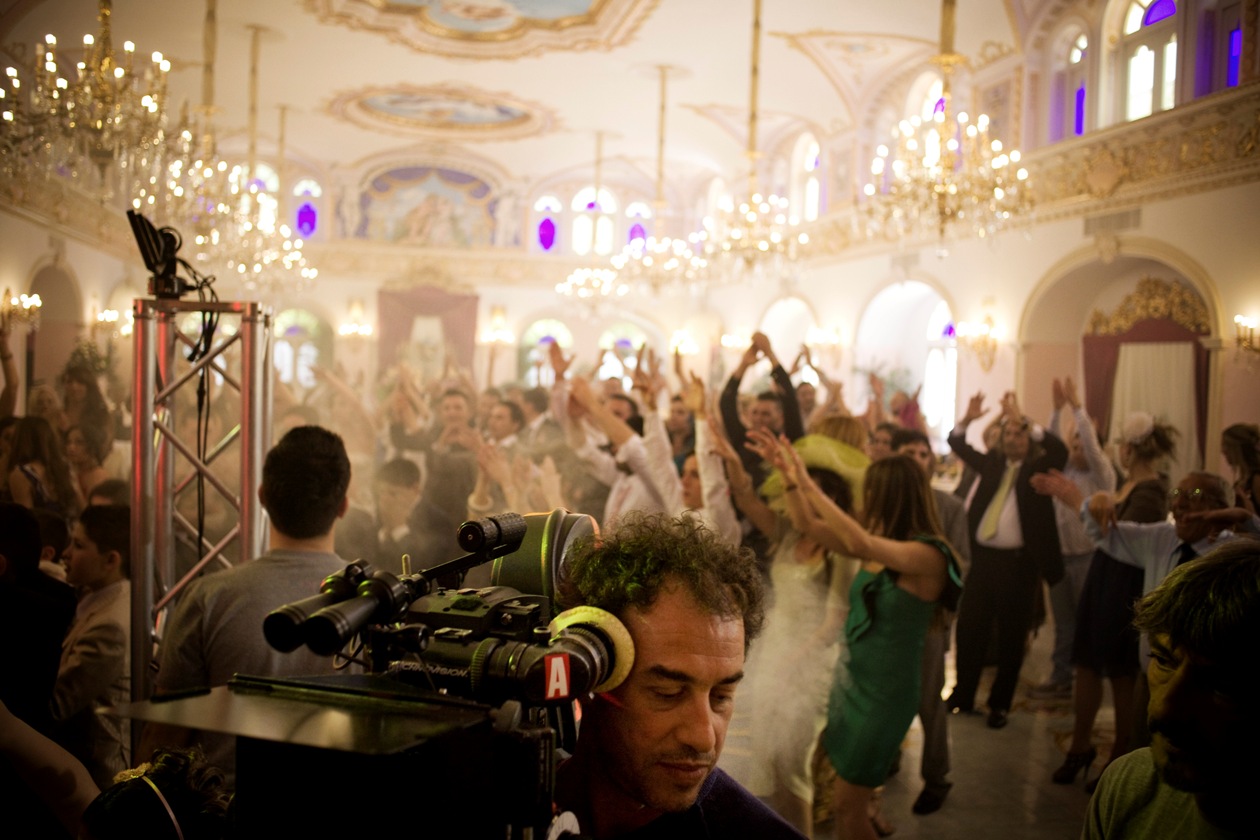
Matteo Garrone (foreground) melds fantasy and reality in latest Grand Prix winner at Cannes
Garrone and cinematographer Marco Onorato begin Reality with a long, gorgeous helicopter shot that eventually leads viewers into the Grand Hotel La Sonrisa, an over-the-top wedding factory where people’s fantasies can become reality. Garrone goes back and forth between the bright, bold colors of La Sonrisa and the fabled Cinecittà studios in Rome and the harsh grays of the local fish market in Naples, furthering the difference between the two worlds Luciano lives in. In his film debut, Arena — who began acting in prison, where he is currently serving twenty-eight years for double murder — is a revelation, handling what could have been a melodramatic role with an innate understanding and beguiling ease. Influenced by such films as Fellini’s The White Sheik, Luchino Visconti’s Bellissima, and Roman Polanski’s The Tenant, Garrone mixes nonprofessional and established actors in real locations, adding elements of classic Italian neo-Realism as Luciano’s fantasy world slowly overtakes him. Reality is about a lot more than reality television; it’s about escape, it’s about family, and it’s about people’s need to find a place for themselves in our ever-changing society.

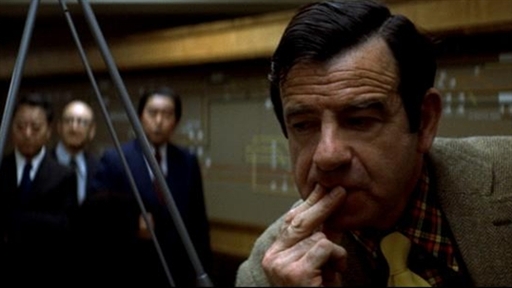
 Loosely adapted from the book by John Godey, The Taking of Pelham One Two Three wonderfully captures the cynicism of 1970s New York City. Four heavily armed and mustached men — Mr. Blue (Robert Shaw), Mr. Green (Martin Balsam), Mr. Gray (Hector Elizondo), and Mr. Brown (Earl Hindman), colorful pseudonyms that influenced Quentin Tarantino’s Reservoir Dogs — hijack an uptown 4 train, demanding one million dollars in one hour from a nearly bankrupt city or else they will kill all eighteen passengers, one at a time, minute by minute. The hapless mayor (Lee Wallace) is in bed with the flu, so Deputy Mayor Warren LaSalle (Tony Roberts) takes charge on the political end while transit detective Lt. Zachary Garber (a great Walter Matthau) and Inspector Daniels (Julius Harris) of the NYPD team up to try to figure out just how in the world the criminals expect to get away with the seemingly impossible heist. Directed by Joseph Sargent (Sybil), the film offers a nostalgic look back at a bygone era, before technology radically changed the way trains are run and police work is handled. The film also features a very funny, laconic Jerry Stiller as Lt. Rico Patrone and the beloved Kenneth McMillan as the borough commander. The film was remade as a television movie in 1998, starring Edward James Olmos, Vincent D’Onofrio, and Lorraine Bracco, and as an embarrassingly bad big-budget bomb in 2009 by Tony Scott. The Taking of Pelham One Two Three is screening March 16 at 92Y Tribeca and will be followed by a discussion with Pelham sound mixer Chris Newman and special subway-related giveaways, kicking off the eight-week Cinebeasts program “The Subway Series,” consisting of subway busking and films set in the New York City underground.
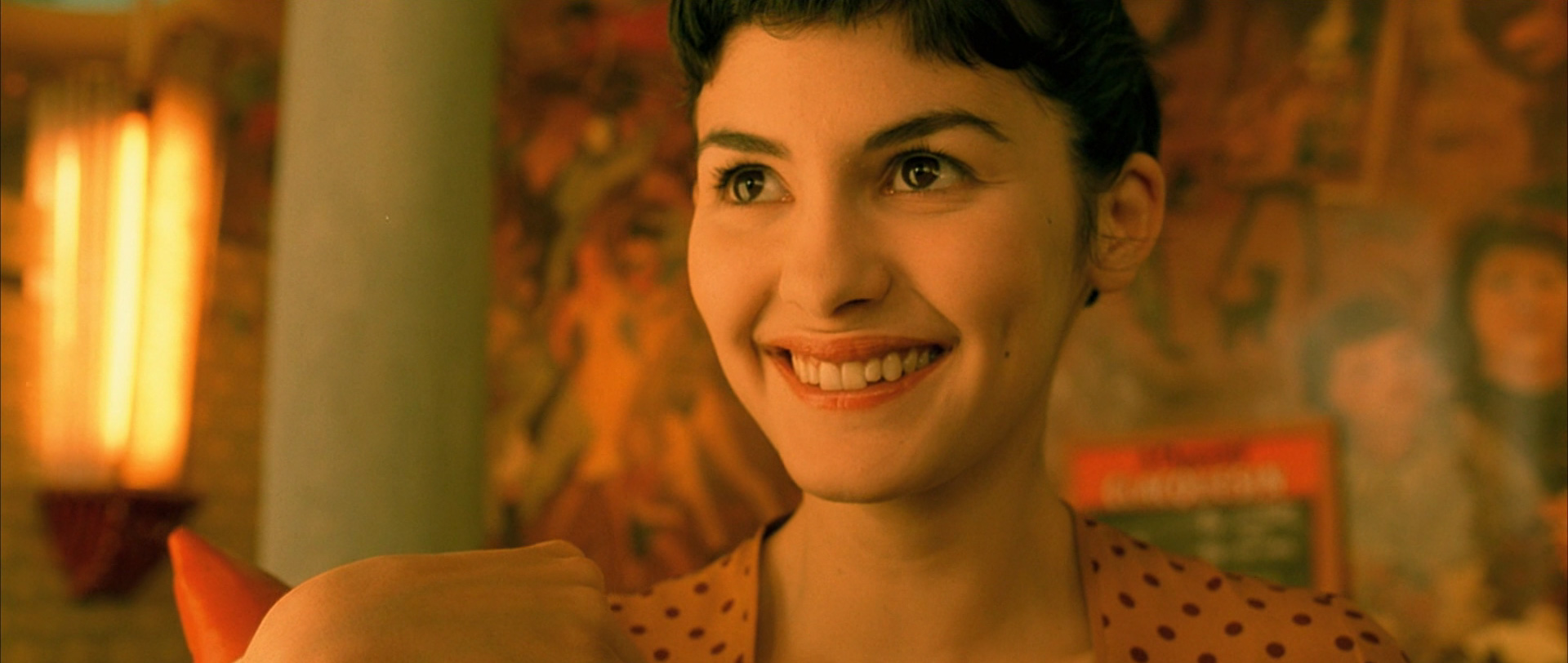
 La Fabuleux Destin d’Amélíe Poulain is already a treat for the eyes and ears, but now Williamsburg’s Nitehawk Cinema is making it special for the rest of the senses as well. In Jean-Pierre Jeunet’s wildly inventive romantic comedy, Audrey Tautou plays one of the most delightful, charming characters since, well, dare we say it? Audrey Hepburn, especially from Roman Holiday. Everybody in this film is nuts; Amélíe wanders — always with some strange, curious purpose — through offbeat and humorous situations filled with obsessive-compulsive oddballs doing bizarre things while sharing their crazy likes and dislikes with the audience. A difficult childhood left the grown-up Amélíe unable to interact “normally” with people, so when she discovers a boy’s treasure box hidden in her apartment, she decides to track down the owner, leading to a series of very complex and emotional good deeds she does for others while she cannot figure out her own life, which undergoes a major change when she meets Nino (Mathieu Kassovitz) — who collects ripped-up pictures people throw out after using public photo booths — and becomes friendly with the Glass Man (Serge Merlin), who cannot go outside because his bones are too brittle, so he remains in his apartment, copying the same Renoir painting year after year, unable to capture one girl’s face properly. Jeunet’s (Delicatessen, The City of Lost Children) aural and visual style is reminiscent of such Coen brothers films as Raising Arizona, with fast-moving shots, sudden close-ups, and blasts of sound that enliven this masterful film. Amélíe will be shown at Nitehawk as part of its second Film Feast, accompanied by a traditional French menu prepared by Chef Sara Nguyen, with drink pairings courtesy of Pernod Absinthe. The first course includes Croque Madame, Gruyere, Farm Egg, Mushroom, and Black Truffle; the second Pork Rillete, Apple Mustard, Curry Aioli, and Baguette; the third Mussels, Fennel, Sausage, and Absinthe; the fourth Crepe, Duck Confit, Orange, Crème Fraiche, and Radish; and, for dessert, Angel Food Cake, Plum Jam, and Absinthe Cream. In addition, the screening will be preceded by a free Fluent City French slang workshop at 7:00.