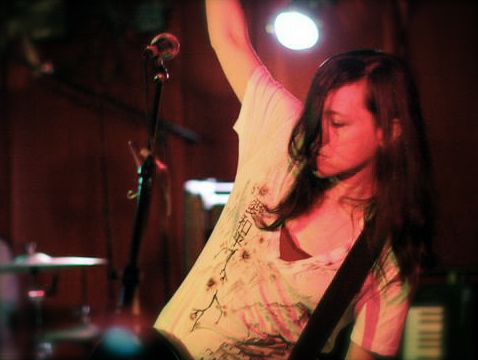
Paula Carino will be rocking out with the Sliding Scale as part of twi-ny’s free tenth anniversary celebration May 18 at Fontana’s
Fontana’s
105 Eldridge St. between Grand & Broome Sts.
Wednesday, May 18, free, 7:00 – 9:30
212-334-6740
www.paulacarino.com
www.fontanasnyc.com
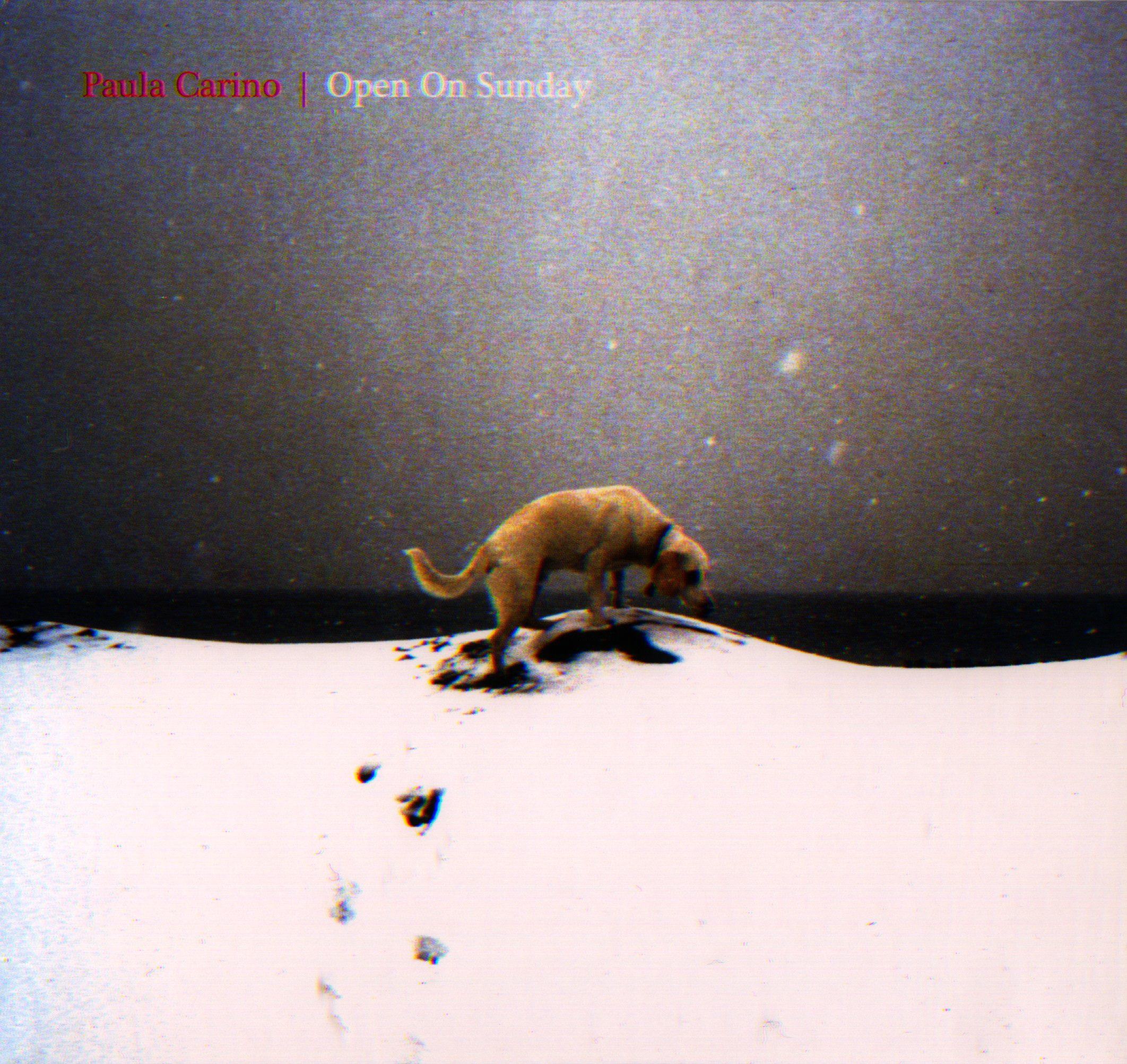
“I am lucky in love / I don’t need your comfort or care / I am so lucky in love / even when life is unfair / Yeah, don’t tell me life is unfair,” Paula Carino sings on “Lucky in Love,” from her excellent 2010 album, Open on Sunday, which she financed through Facebook fan donations and released on her own label, Intellectual House o’ Pancakes Records. We’re not about to tell the singer-songwriter, yoga teacher, blogger, and pop-culture columnist that life is unfair, but we don’t mind saying that if life were indeed fair, Carino would be a star. The multitalented musician has been a fixture on the New York City music scene for the better part of a decade, whether playing acoustic shows at the Parkside Lounge on the Lower East Side or at Freddy’s Backroom in Brooklyn with her backing band, which she has given such names as the Better Mind Your Own Business Bureau, the Virtually Spotless, and the Scurvy Merchants. For twi-ny’s free tenth anniversary celebration on May 18 at Fontana’s, Carino will be playing with the Sliding Scale on a bill that also includes readings from Dean Haspiel, Nova Ren Suma, Kyle Thomas Smith, and Andrew Giangola and live performances from James Mastro and Megan Reilly and Evan Shinners. While taking a break from doing preproduction on a new record with the curious working title Chimp Haven, Carino chatted with twi-ny about her very busy life.
twi-ny: You recently wrote on your blog, “I want to tell you everything I’ve thought, read, listened to, experienced, and watched.” With all of the writing you do — music reviews and interviews, lifestyle pieces, and a personal blog — do you find that impacts at all on your own songwriting?
Paula Carino: Well, it’s funny — I started my blog as a promotional thing for my music after I released my first solo album, but the blog ended up just being me blathering on about other people’s music and other pop-culture stuff. There was a time when I was posting every day, and the downside is that afterward, my frontal-lobe reward system would be like “OK, you’ve been creative today, now go run along and play!” So the motivation to actually create something lasting, like a song, was diminished. I had to consciously scale back on blogging in order to devote more time and mental energy to songwriting.
twi-ny: If you could bring back one defunct New York City music venue to play at, which one would it be?
Paula Carino: I was just the other day reminiscing about Fez. It was comfortable and relaxing and had that swanky banquette seating that made you feel like Ricky Ricardo was gonna swing by your table singing “Babalu.” I would have loved to play to swellegant, seated people. . . .
twi-ny: You’re also a certified yoga teacher. What is the musical setlist like for your classes?
Paula Carino: Surprisingly, I don’t play music in my classes, or during my own practice. I think it distracts people from their immediate experience. But I do emphasize chanting. My students get to chant their hearts out at the beginning of class, because, aside from, like, karaoke, I think people do not get enough opportunities to sing together. Singing together is such a basic joy. It’s really gratifying to hear people let go and really get into it — it’s like a revival meeting.
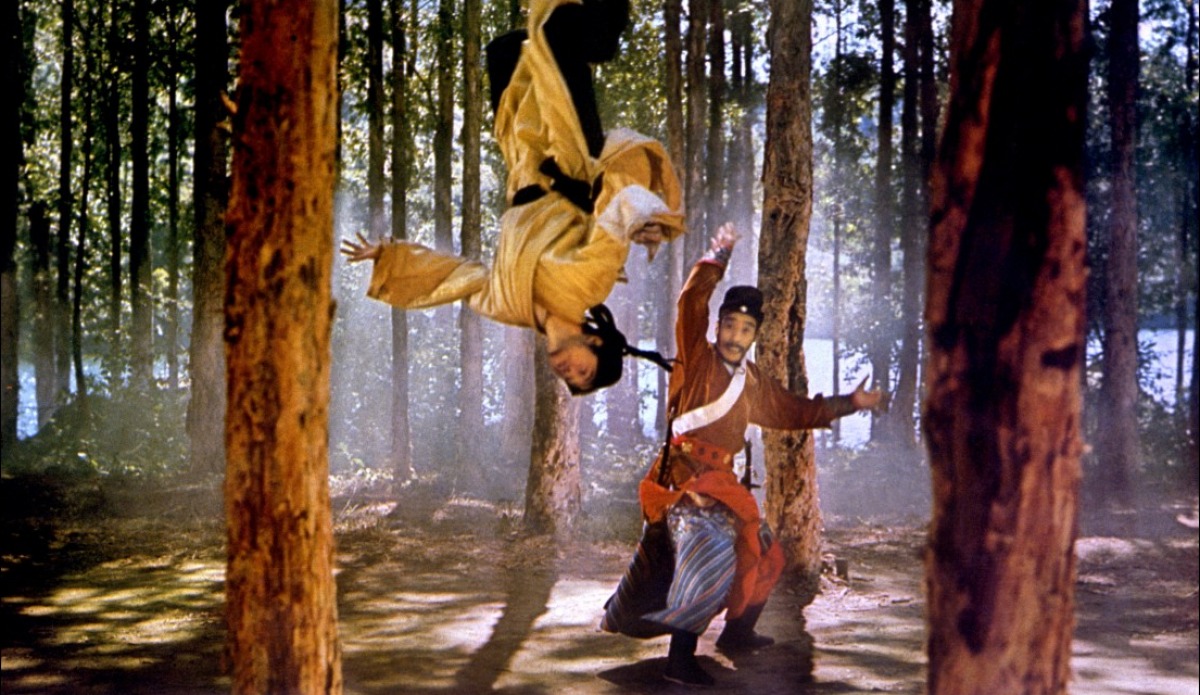
 Watching King Hu’s 1969 wuxia classic, A Touch of Zen, brings us back to the days of couching out with Kung Fu Theater on rainy Saturday afternoons. The highly influential three-hour epic features an impossible-to-figure-out plot, a goofy romance, wicked-cool weaponry, an awesome Buddhist monk, a bloody massacre, and action scenes that clearly involve the overuse of trampolines. Still, it’s great fun, even if it is way too long. (The film, which was initially shown in two parts, earned a special technical prize at the 1975 Cannes Film Festival.) Shih Jun stars as Ku Shen Chai, a local calligrapher and scholar who is extremely curious when the mysterious Ouyang Nin (Tin Peng) suddenly show up in town. It turns out that Ouyang is after Miss Yang (Hsu Feng) to exact “justice” for the corrupt Eunuch Wei, who is out to kill her entire family. Hu (Come Drink with Me, Dragon Gate Inn) fills the film with long, poetic establishing shots of fields and the fort, using herky-jerky camera movements (that might or might not have been done on purpose) and throwing in an ultra-trippy psychedelic mountain scene that is about as 1960s as it gets. A Touch of Zen is ostensibly about Ku’s journey toward enlightenment, but it’s also about so much more, although we’re not completely sure what that is. The film is screening May 15 and May 19 as part of the Film Society of Lincoln Center’s “Taiwan Stories: Classic and Contemporary Film from Taiwan” series, which continues through May 19 with such classic works as Pai Ching-jui’s Home Sweet Home (1970), Li Xing and Li Jia’s Oyster Girl (1964), and Tsai Ming-liang’s Rebels of the Neon God (1992) as well as such more modern films as Doze Niu’s Monga (2008), Chen Wen-tang’s Tears (2009), and Chen Yu-Hsun, Hou Chi-jan, and Shen Ko-Shang’s Juliets (2010).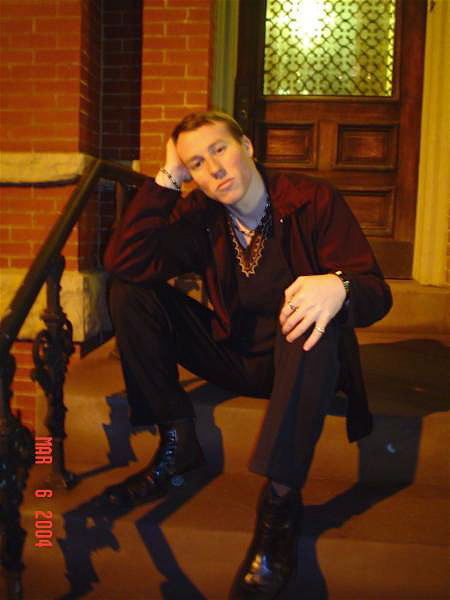
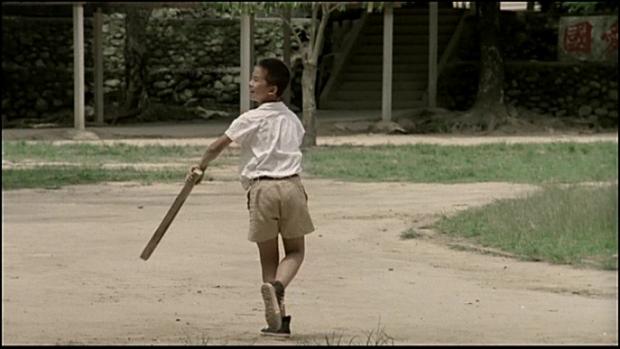
 Hou Hsiao-hsien’s Taiwanese New Wave masterpiece, A Time to Live, a Time to Die, is a bittersweet, nostalgic look back at his childhood, after his father’s government job moves the family from Mainland China just as the Cultural Revolution is taking effect. The semiautobiographical film is seen through the eyes of young Ah-ha (You Anshun) as his father (Tien Feng) suffers ill health, his older brother gets harassed by a local gang, his mother (Mei Fang) tries to maintain the household, and his grandmother (Tang Ju-yun) keeps getting lost, being brought back by rickshaw drivers who demand ever-larger payments. The family lives in a Japanese-style home that is beautifully photographed by cinematographer Mark Lee Ping-bing, with Hou favoring long shots with limited camera movement, calmly shifting from scene to scene as Ah-ha grows up into a teenager (Hsiao Ai) and discovers a whole new set of problems and reality. The middle film in Hou’s coming-of-age trilogy (in between 1984’s A Summer at Grandpa’s and 1986’s Dust in the Wind), A Time to Live is a deeply personal, intimate, unforgettable story of life, death, and the bonds of family. The film is screening May 15 as part of the Film Society of Lincoln Center’s “Taiwan Stories: Classic and Contemporary Film from Taiwan” series, which continues through May 19 and also includes such classic works as Pai Ching-jui’s Home Sweet Home (1970), Li Xing and Li Jia’s Oyster Girl (1964), and King Hu’s A Touch of Zen (1969) as well as such modern films as Doze Niu’s Monga (2008), Chen Wen-tang’s Tears (2009), and Chen Yu-Hsun, Hou Chi-jan, and Shen Ko-Shang’s Juliets (2010).