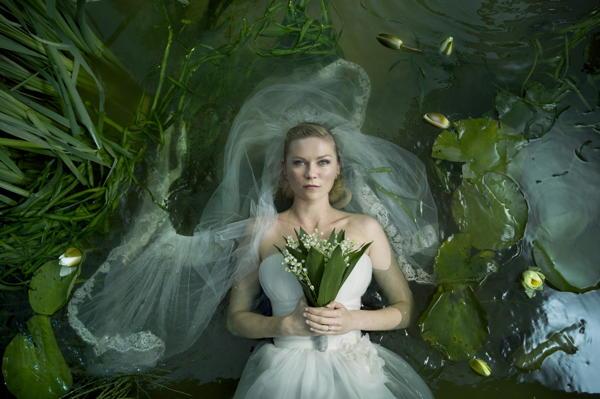
Justine (Kirsten Dunst) faces the end of the world in Lars von Trier’s dazzling MELANCHOLIA
MELANCHOLIA (Lars von Trier, 2011)
Alice Tully Hall
1941 Broadway at 65th St.
Monday, October 3, 6:30, and Thursday, October 6, 9:00
Festival runs September 30 – October 16
212-875-5601
www.filmlinc.com
www.melancholiathemovie.com
 Danish writer-director Lars von Trier has nothing less than the end of the world on his mind in his latest controversial drama, Melancholia. Von Trier’s latest love-it-or-hate-it cinematic foray opens with epic Kubrickian grandeur, introducing characters in marvelously composed slow-motion and still shots (courtesy of cinematographer Manuel Alberto Claro) as an apocalyptic collision threatens the earth and a Wagner overture dominates the soundtrack. Kirsten Dunst won the Best Actress award at Cannes for her portrayal of Justine, a seemingly carefree young woman celebrating her wedding day who soon turns out to be battling a debilitating mental illness. Her husband, Michael (Alexander Skarsgård), is madly in love with her and does not know quite what he has gotten himself into, especially as the partying continues and Justine’s motley crew of family and friends get caught up in various forms of intrigue, including Gaby, her marriage-hating mother (Charlotte Rampling), Dexter, her never serious father (John Hurt), Jack, her pompous boss (Stellan Skarsgård), Claire, her married sister (Charlotte Gainsbourg), and Claire’s filthy rich husband, John (Kiefer Sutherland), who is hosting the event at his massive waterfront estate. While most of the film focuses on the wildly unpredictable Justine, the latter section turns its attention on Claire, who is terrified that a newly discovered planet named Melancholia is on its way to destroy the world. But Melancholia is not just about sadness, depression, family dysfunction, and the end of the world. It’s about the search for real love and truth, things that are disappearing from the earth by the minute. Justine works as an advertising copywriter, attaching tag lines to photographs to help sell product; at the wedding, Jack is determined to get one more great line of copy from her, even siccing his young, inexperienced nephew, Tim (Brady Corbet), on her to make sure she delivers. But what she ends up delivering is not what either man expected. Perhaps the only character who really sees what is going on is a wedding planner played by the great Udo Kier, who continually, and comically, shields his eyes from Justine, unable to watch the impending disaster. Just as in the film, as some characters get out their telescopes to watch the approaching planet and others refuse to look, there are sure to be many in the moviegoing public who will shield their eyes from Melancholia, choosing not to view yet another controversial film from a director who likes to antagonize his audience. They don’t know what they’re missing.
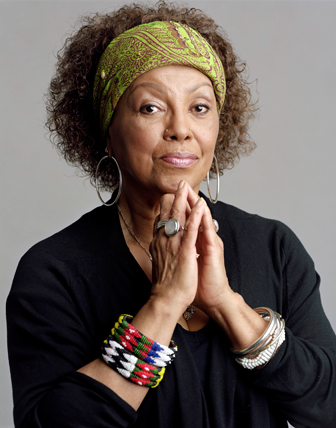
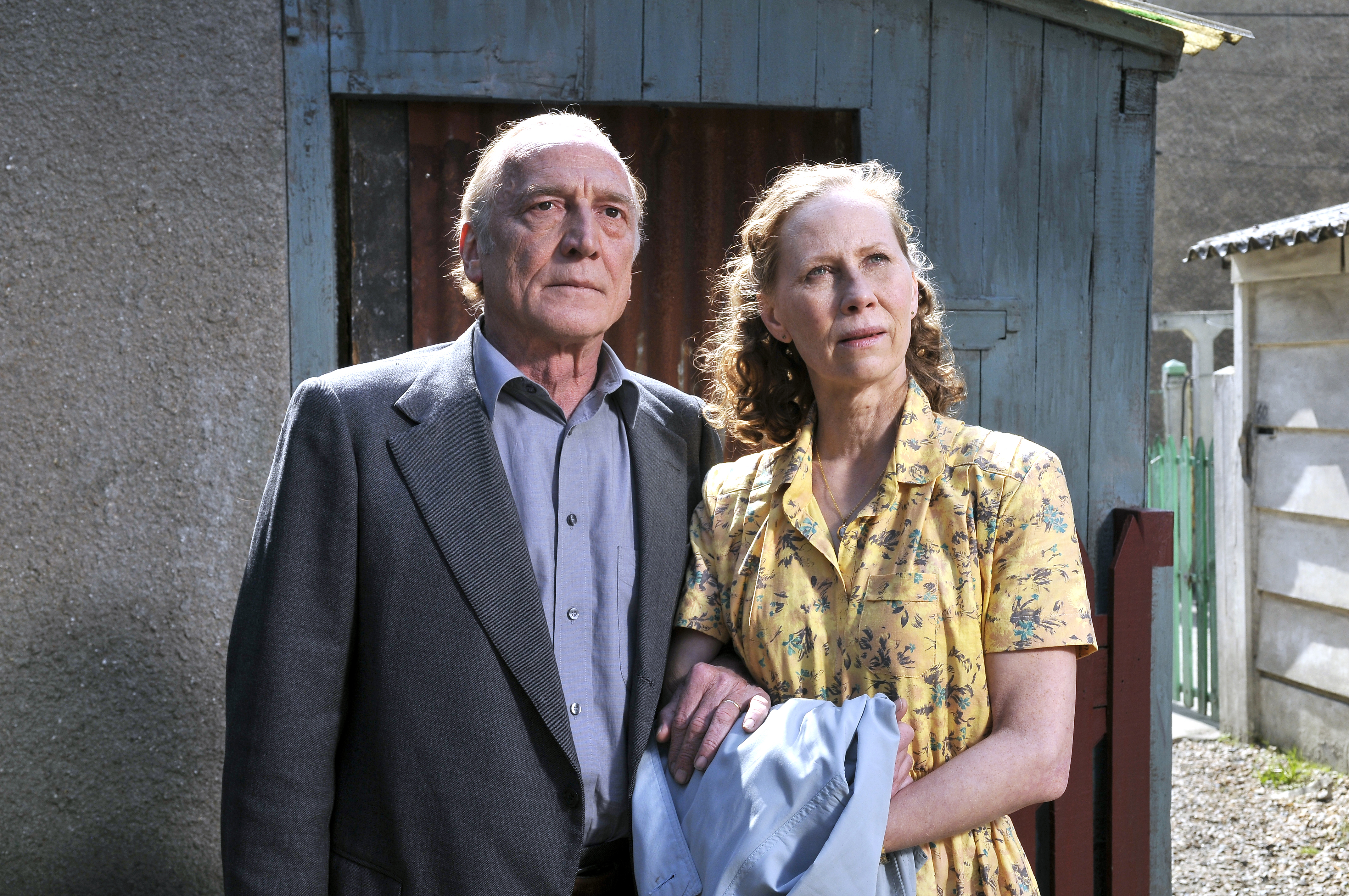
 For nearly thirty years, Finnish auteur Aki Kaurismäki (Leningrad Cowboys Go America, The Man Without a Past) has been making existential deadpan black comedies that are often as funny as they are dark and depressing. Has there ever been a film as bleak as 1990’s The Match Factory Girl, in which a young woman (Kati Outinen) suffers malady after malady, tragedy after tragedy, embarrassment after embarrassment, her expression never changing? In his latest film, the thoroughly engaging Le Havre, Kaurismäki moves the setting to a small port town in France, where shoeshine man Marcel Marx (André Wilms), a self-described former Bohemian, worries about his seriously ill wife (Outinen) while trying to help a young African boy (Blondin Miguel), who was smuggled into the country illegally on board a container ship, steer clear of the police, especially intrepid detective Monet (Jean-Pierre Darroussin), who never says no to a snifter of Calvados. Adding elements of French gangster and WWII Resistance films with Godardian undercurrents — he even casts Jean-Pierre Léaud in a small but pivotal role — Kaurismäki wryly examines how individuals as well as governments deal with illegal immigrants, something that has taken on more importance than ever amid the growing international economic crisis and fears of terrorism. Through it all, Marcel remains steadfast and stalwart, quietly and humbly going about his business, deadpan every step of the way. Wouter Zoon’s set design runs the gamut from stark grays to bursts of color, while longtime Kaurismäki cinematographer Timo Salminen shoots scene after scene with a beautiful simplicity. Winner of a Fipresci critics award at Cannes this year and Finland’s official entry for the Best Foreign Language Film Oscar, Le Havre is another marvelously unusual, charmingly offbeat tale from a master of the form. After screening at the New York Film Festival on October 2, 3, and 5, Le Havre will open theatrically October 21 at the IFC Center, which will also be hosting a Kaurismäki festival on weekends from October 7 through December 18, showing nine of the director’s works, beginning with the Proletariat Trilogy of Shadows in Paradise (October 7-10), Ariel (October 14-16), and The Match Factory Girl (October 28-30). Keep watching twi-ny for more information and select reviews in the coming weeks.

 As soon as Stefano Savano heard about the people’s rebellion going on in Egypt’s Tahrir Square in January, the Italian filmmaker grabbed his camera and headed over to Cairo, where he had been many times before over the previous twenty years, and just started filming what he saw. As hundreds of thousands of Egyptians flooded the area, singing, protesting, and demanding that President Hosni Mubarak step down, Savano followed around various individuals and groups, including Elsayed, Noha, and Ahmed, getting them to share their thoughts on revolution and change, capturing intimate moments of their fight for freedom. When violence erupts, Savano fearlessly heads to the source, rocks flying through the air, bleeding men being carried past him. The film has no narration and no textual information; instead, Savano places the viewer right in the middle of the action, as if we’re there with him in Tahrir Square. “I’m not a journalist, and I don’t pretend to be one,” Savano pointed out in a Skype press conference following a preview screening of the film at the Walter Reade Theater. Over the course of two weeks this summer, Savano and Penelope Botroluzzi edited down thirty-five hours of visuals and twenty-five hours of sound into this ninety-minute inside look at democracy in action, although it does get repetitive in the second half. Once again Savona, whose previous films include 2002’s A Border of Mirrors, 2006’s Notes from a Kurdish Rebel, and last year’s Spezzacatene, focuses more on the human element than the political, adding a coda during the credits that places much of what went on before into intriguing perspective.