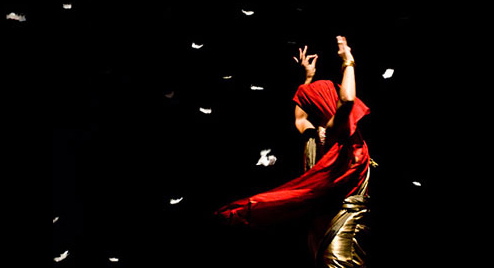
Evolving artist Sheetal Gandhi will collaborate with mentor David Rousseve on contemporary dance as part of “E-Moves” series (photo by Cedar Bough T. Saeji)
Harlem Stage Gatehouse
150 Convent Ave. at West 135th St.
April 20-21, 27-28, $15, 7:30
www.harlemstage.org
The thirteenth season of the “E-Moves” dance series will take place at Harlem Stage over the next two weekends, pairing emerging and evolving choreographers with well-established mentors, creating works in a variety of styles. On April 20 and 27, the emerging artist section joins Nikki Hefko with Nia Love (ballet), Daisuke Omiya with Patricia Hoffbauer (contemporary/tap), Simone Sobers with Kevin Wynn (contemporary), and Jaamil Olawale Kosoko with Tania Isaac (postmodern), followed by evolving artist Sheetal Gandhi with David Rousseve (contemporary). The April 21 and 28 sessions feature emerging artist Jenni Hong with Francesca Harper (contemporary), Leslie Parker with Edisa Weeks (contemporary), Franklin Diaz with Ronald K. Brown (contemporary flamenco), and Marjani Forté with Earl Mosley (contemporary), followed by evolving artist Souleymane Badolo with Reggie Wilson (contemporary). The program also includes screenings of Joan Frosch’s Movement (R)Evolution Africa: A Story of an Art Form in Four Acts and Rousseve’s Two Seconds After Laughter. All of the emerging artists are local choreographers from Brooklyn, the Bronx, and Manhattan (including two from Harlem), while Badolo is a native of Burkina Faso who is currently based in Bennington, Vermont, and Gandhi arrives from Los Angeles. “E-Moves” offers a fabulous opportunity to experience what is coming next in the world of dance.
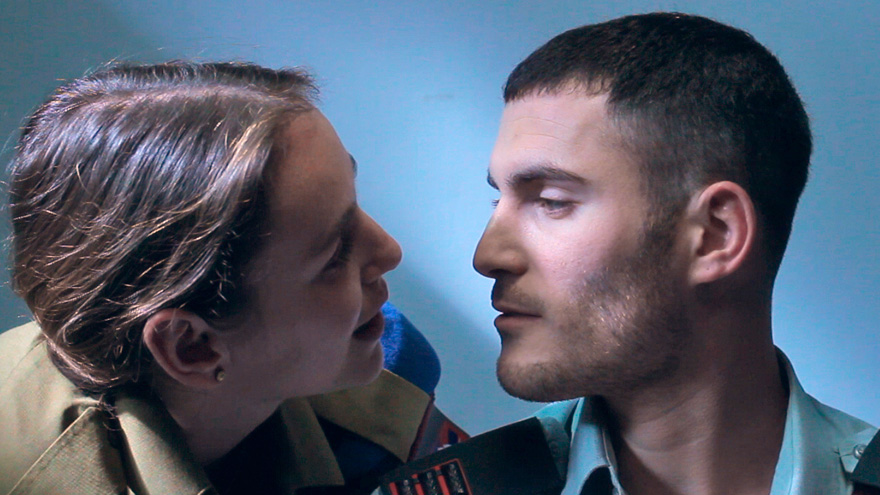
 Writer-director Sharon Bar Ziv’s feature-film debut, Room 514, is a claustrophobic thriller about an idealistic young woman trapped between two worlds. Asia Naifeld stars as Anna, a military investigator who, as she is coming to the end of her term in the army, believes she has uncovered a serious breach of ethics involving a unit commanded by the well-connected Davidi (Udi Persi). Despite being told by her superior, Erez (Ohad Hall) ― an engaged man she is sleeping with ― to leave it alone, Anna pursues her questioning of Davidi and potential whistleblower Nimrod (Guy Kapul), a sergeant who is terrified of admitting the truth but can’t seem to just bury the lies. Bar Ziv sets most of the film inside the small Room 514, where Anna confronts Davidi and Nimrod and also has sweaty sex with Erez; only a few times does the camera venture outside to show the exhausted Anna taking the bus home, where she still lives with her mother. A tough interrogator, Anna is often interrupted by calls from her mother, which she takes even in the middle of the most heated questioning; although these scenes reveal Anna’s youth and immaturity, it is also hard to believe that her character would actually answer the phone at such moments, a serious flaw that nearly breaks down the film (which also cops out when Anna is later confronted by an army general major [Rafi Kalmar]). But it recovers once Anna is back on track and getting to the heart of both the charge of brutal violence against Palestinians in the Occupied Territories as well as her relationship with Erez, which might be a whole lot more complicated than she is willing to admit to herself. Inspired by actual events, Room 514 is a compelling look inside contemporary Israeli society as the next generation faces the ongoing battle against the Palestinians while also dealing with long-standing issues of gender and sexuality.
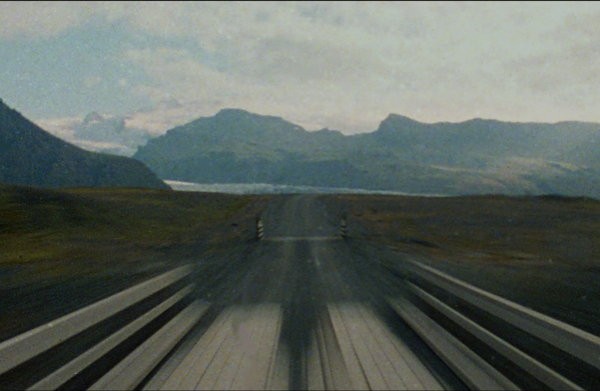
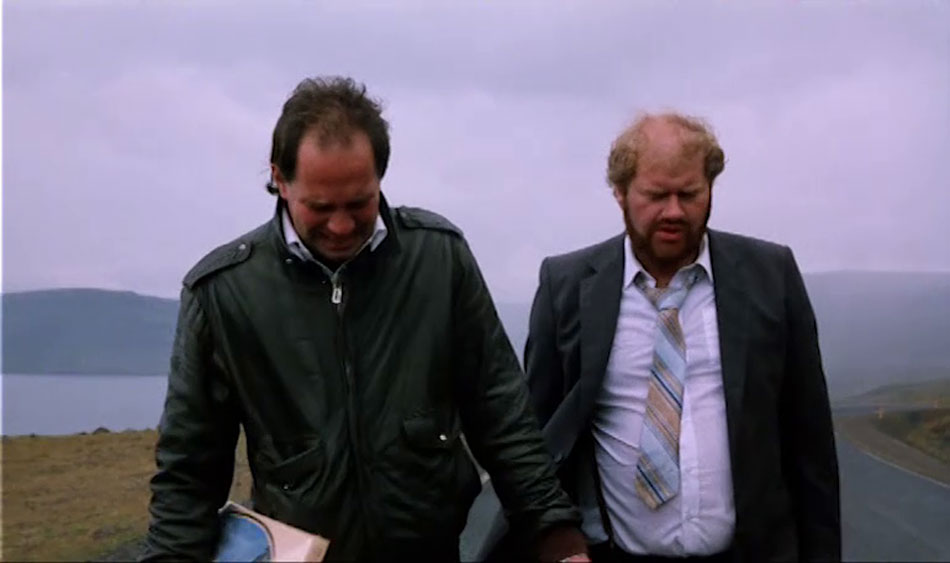
 The series also features Friðriksson’s first fiction film, the dazzling black comedy 1987 White Whales (Skytturnar). Reminiscent of the work of Finnish auteur Aki Kaurismäki (The Match Factory Girl, Le Havre) and Jim Jarmusch (Stranger than Paradise, Down by Law), White Whales follows the travails of a pair of pathetic if lovable losers, Grímur (Þórarinn Óskar Þórarinsson) and Bubbi (Eggert Gudmundsson). The film begins like a nature documentary, with gorgeous shots of breeching whales — suddenly interrupted by whalers who harpoon one of the beautiful mammals and bring it in to shore. On board the ship, Grímur considers their bleak future as Bubbi spends his time looking at porn. “Well, if we’re lucky, we might get a job shoveling shit,” Grímur says. “And if that doesn’t work out, we’ll have to eat shit.” Nothing seems to faze either man as they head out on an offbeat adventure that takes them hitchhiking, coming upon an injured horse, wandering around Reykjavik, stopping in at bars, visiting Grímur’s beloved grandmother, and then, ultimately, crossing over a line and ending up in some very deep trouble. Combining Icelandic music with such English-language songs as Nick Cave’s cover of Jimmy Webb’s “By the Time I Get to Phoenix,” Merle Haggard’s “The Fugitive,” and Tom Waits’s “Tom Traubert’s Blues,” Friðriksson, who will attend both the April 19 and 24 screenings of White Whales, creates a hysterically funny existential atmosphere that erupts in surprising violence. Try not to let the poor subtitling get in the way of your enjoyment of this Icelandic gem.