
Zero Mostel and Gene Wilder prepare for quite a flop in THE PRODUCERS
THE PRODUCERS (Mel Brooks, 1968)
BAMcinématek, BAM Rose Cinemas
30 Lafayette Ave. between Ashland Pl. & St. Felix St.
Sunday, September 2, 2:00 & 6:50
Series runs through September 17
212-415-5500
www.bam.org
 No way around it; this is one funny movie. Written and directed by Mel Brooks (who won an Oscar for Best Original Screenplay), The Producers stars Zero Mostel as Max Bialystock, a once great Broadway producer now relegated to wooing old ladies for their checkbooks. Gene Wilder earned an Oscar nomination for Best Supporting Actor as Leo Bloom, a by-the-book accountant who figures out that it could be possible to make more money from a bomb than a hit. And the bomb they turn to is the extraordinary Springtime for Hitler, featuring a great turn by Kenneth Mars as a neo-Nazi. Brooks, Mostel, Wilder, Mars, and the rest of the crazy cast — which also includes Dick Shawn, Lee Meredith, Estelle Winwood, Christopher Hewett, Renee Taylor, Barney Martin, Bill Macy, and William Hickey — don’t just play it for laughs but for giant guffaws and jaw-dropping disbelief in this riotous romp that was turned into a very good but overrated Broadway musical and a terrible film version of the show, both starring Nathan Lane and Matthew Broderick, neither of whom can fill Mostel and Wilder’s shoes. The Producers is screening September 2 in the BAMcinématek series “American Gagsters: Great Comedy Teams,” which runs through September 17 and comprises some fifty films, including such other Brooks classics as Blazing Saddles and Young Frankenstein on September 3, followed by a fab bunch of hysterical Steve Martin and Woody Allen movies.
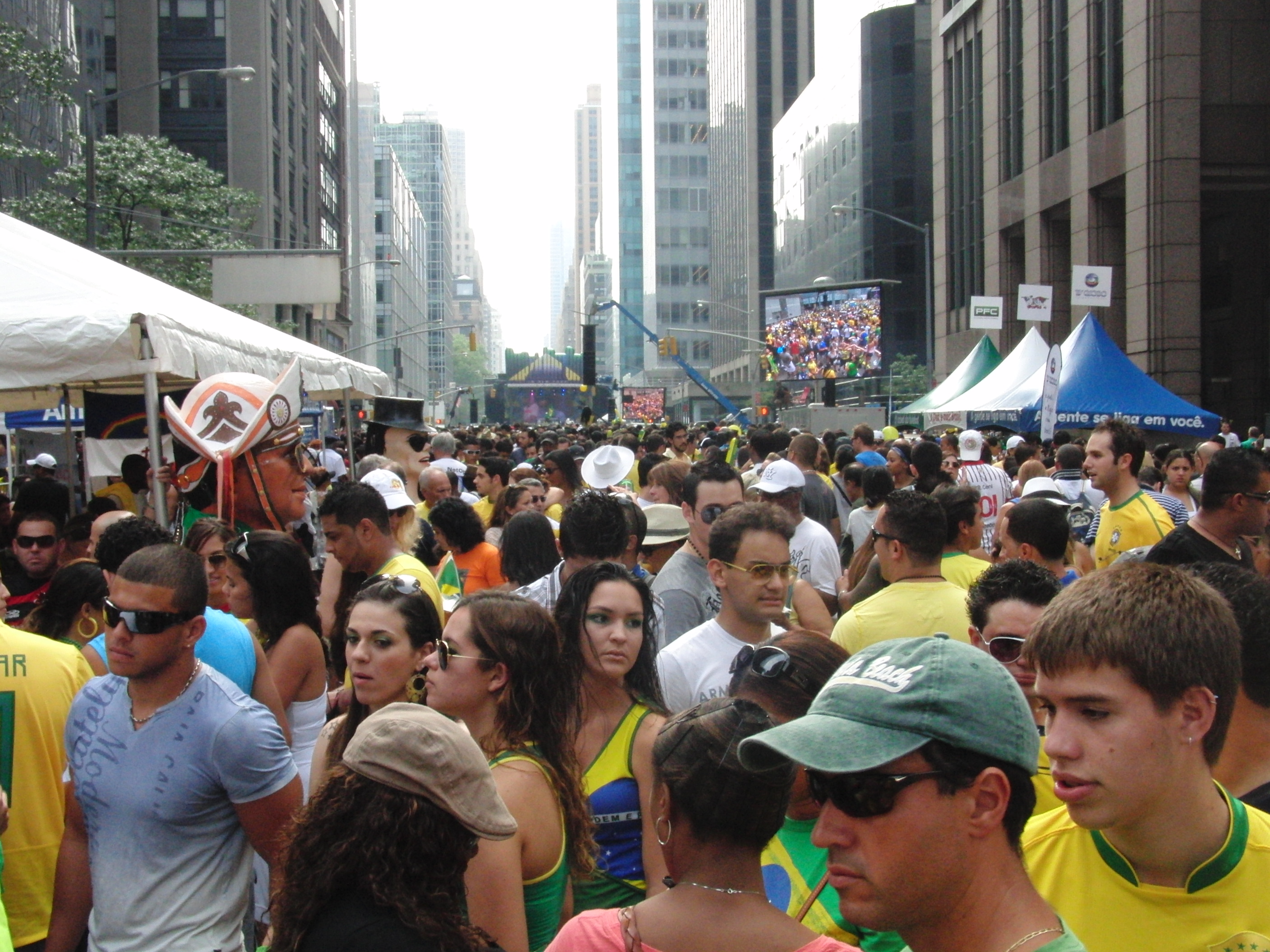
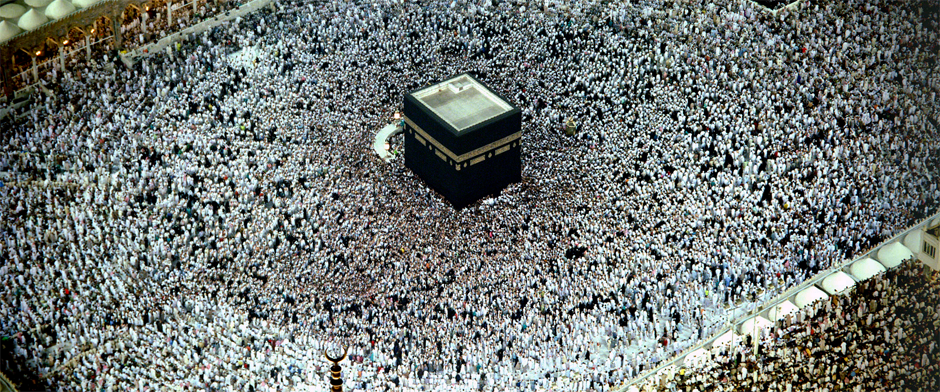
 Referring to the endless cycle of birth, death, and rebirth, Samsara is a visually stunning journey around the world, but one that will leave viewers wanting more. Director Ron Fricke and producer Mark Magidson, who previously teamed up on 1985’s Chronos and 1992’s Baraka, traveled to twenty-five countries on five continents over the course of four years, photographing famous landmarks, ancient and modern landscapes, old and new architecture, mountains, parks, oceans, cities, and many of the myriad peoples who populate the planet. Featuring an at-times overbearing score by Michael Stearns, Lisa Gerrard, and Marcello de Francisci and no narration or titles whatsoever to show what’s on the screen, Samsara can be breathtaking as well as confusing as the images roll by, shot in 70mm and projected digitally at 4K. Threads of narrative weave their way into the film, including sections on religion, war, poverty, and food production, exploring the Buddhist ideas of interconnection and impermanence, although the unfolding “story” appears most often to be somewhat random. And oddly, individuals regularly stare directly into the camera for uncomfortable periods of time, as if accusing the viewer of something that is not necessarily clear. Fricke and Magidson, who both edited the film, take the audience to such locations as Epupa Falls in Angola, Paraisopolis Favela in São Paulo, Mariesminde Poultry Farm in Denmark, Château de Versailles in France, Kanikwei Coffin Shop in Ghana, Thiksey Monastery in India, Kawah Ijen Sulfur Mine in Indonesia, Teatro Alla Scala in Italy, the Tsuchiya Shokai Doll Factory in Japan, Petra in Jordan, cliff dwellings in Mali, Mingun Temple in Myanmar, Mecca in Saudi Arabia, Cebu Provincial Detention Center in the Philippines, the demilitarized zone in South Korea, Cascade Go-Go Bar in Thailand, Cappadocia in Turkey, Burj Khalifa Tower in Dubai, the Kilauea volcano in Hawaii, the Ninth Ward in New Orleans, and Aadlen Bros. Auto Wrecking in Sun Valley, among so many other fascinating sites that reveal a wide expanse of what is going on in the world. Prisoners dance, cars whirr down elevated highways, chickens get slaughtered, tribes from Ethiopia and Namibia live off the land, poor children pick through garbage, a man stands next to his robot double, and a group of Buddhist monks make an exquisite sand painting. Yet as fascinating as Samsara can be, it still feels somewhat lacking, as if it could have been better in IMAX 3D (even if that wasn’t a logistical possibility), and the scarcity of detail supplied about the places visited is frustrating in today’s info-rich society.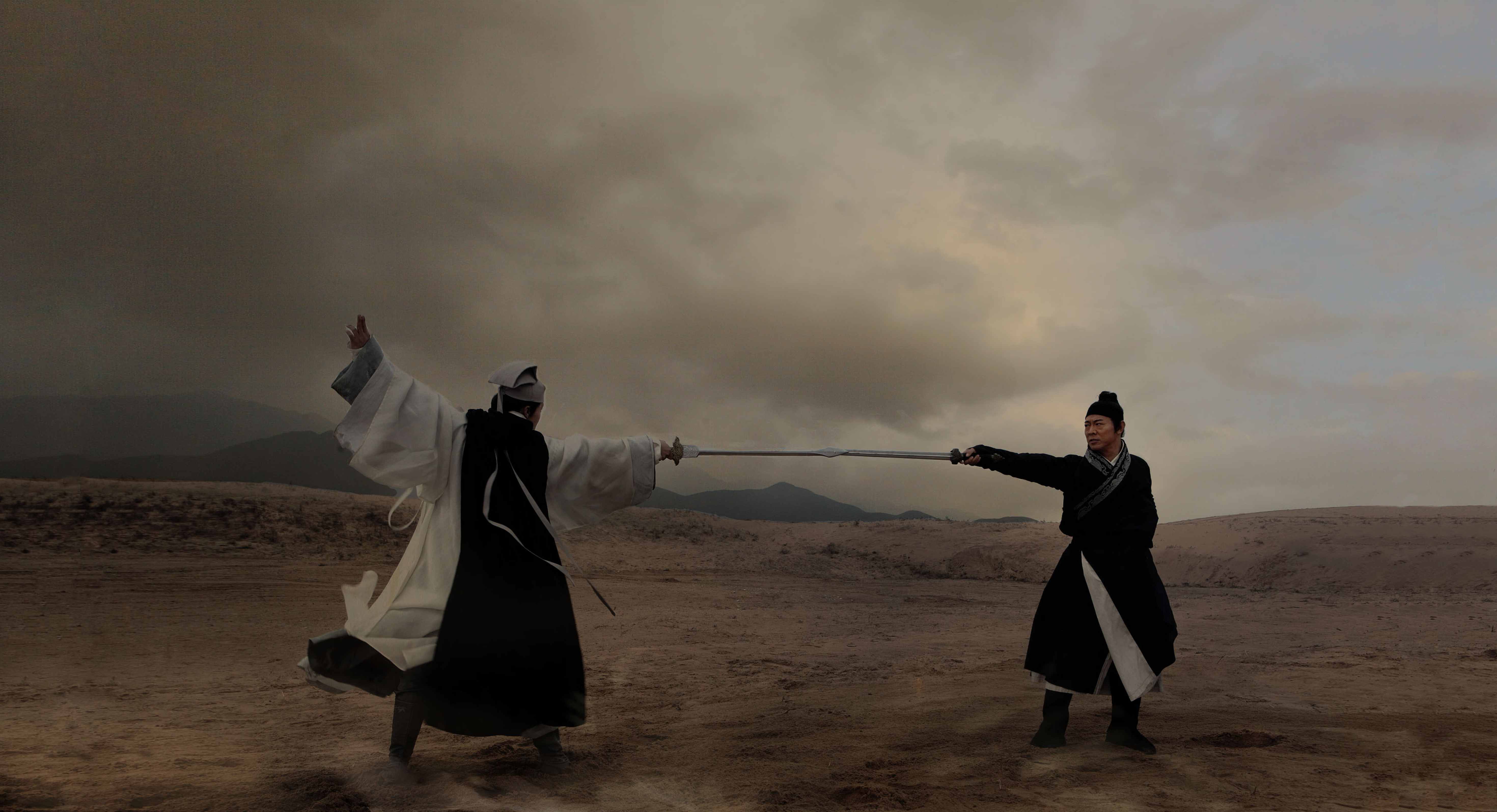
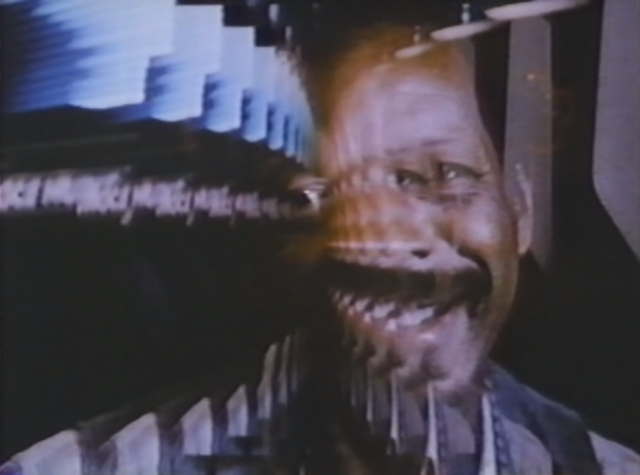
 In September 1983, innovative saxophonist and Fort Worth, Texas, native Ornette Coleman received a key to the city of his hometown and then helped open the new Caravan of Dreams arts center by performing the world premiere of “Skies of America,” a specially commissioned work that teamed Coleman and his band, Prime Time, with the Forth Worth Symphony. Director Shirley Clarke uses this celebratory event as the central focus of her 1985 documentary, Ornette: Made in America, which is being rereleased in a beautiful new 35mm restoration overseen by Milestone Films as part of its continuing Project Shirley, which began earlier this year with a dazzling new print of Clarke’s 1962 film about jazz and drugs,