Who: Michael G. Garber, Miss Maybell, Charlie Judkins
What: Book talk with music
Where: Ceres Gallery, 547 West 27th St. between 10th & 11th Aves., #201
When: Thursday, September 11, free with advance RSVP (suggested donation $15), 6:30
Why: “This book celebrates women who wrote popular songs in the early twentieth century. These female composers and lyricists deserved greater opportunities and fame and to be more highly valued. Generations later, the same could be said for many of their sisters in songwriting in the early decades of the twenty-first century. Hopefully, looking at the past will inspire change in the future. To do this, we must travel in our minds back to what was, in effect, a different world.”
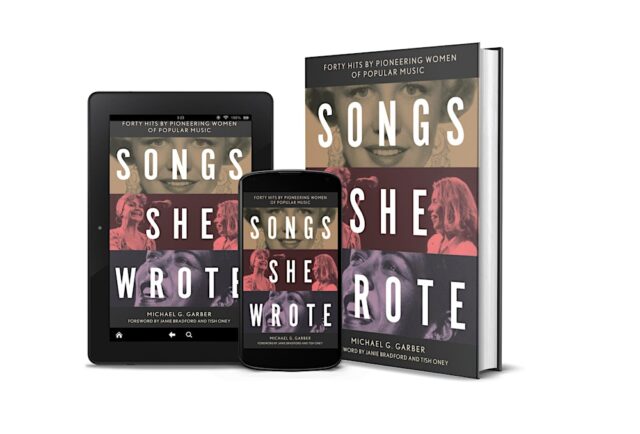
So begins historian, professor, scholar, and artist Michael G. Garber’s Songs She Wrote: 40 Hits by Pioneering Women of Popular Music (Rowman & Littlefield, March 2025, $36), an illustrated journey into that different world, focusing on women’s contributions to popular music, including ragtime, jazz, Broadway, and Hollywood. Featuring a foreword by Janie Bradford and Dr. Tish Oney, the book explores such tunes as Lucy Fletcher’s “Sugar Blues,” Lovie Austin and Alberta Hunter’s “The Down Hearted Blues,” Bessie Smith’s “Backwater Blues,” Dorothy Parker’s “Serenade from The Student Prince,” and Billie Holiday’s “God Bless the Child.”
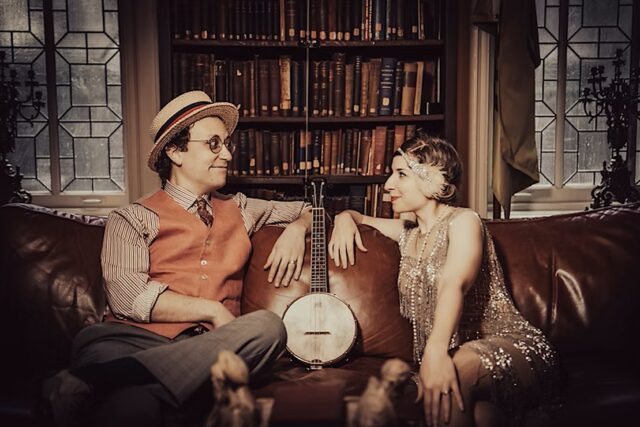
Charlie Judkins and Miss Maybell will perform as part of book event at Ceres Gallery
On September 11 at 6:30, in conjunction with the Tin Pan Alley American Popular Music Project, Garber (My Melancholy Baby: The First Ballads of the Great American Songbook, 1902–1913) will be at the nonprofit feminist Ceres Gallery for a free book talk with live performances by Jazz Age artists Miss Maybell and Charlie Judkins, surrounded by Carlyle Upson’s nature-based “Submerged” watercolors and Marcy Bernstein’s “Evocative Abstractions” paintings, which Bernstein says “invite viewers to look inward. They’re filled with allusions to the raw energy of creation itself,” a fitting sentiment that applies to Garber’s book as well. Admission is free with a suggested donation of $15.
[Mark Rifkin is a Brooklyn-born, Manhattan-based writer and editor; you can follow him on Substack here.]