BUDDHA MOUNTAIN will make its North American premiere July 3 & 5 at the New York Asian Film Festival at Lincoln Center
BUDDHA MOUNTAIN (GUAN YIN SHAN) (Li Yu, 2010)
Film Society of Lincoln Center, Walter Reade Theater
165 West 65th St. at Amsterdam Ave.
Sunday, July 3, $13, 9:10, and Tuesday, July 5, $13, 1:30
Series runs July 1-14, ten-film pass $99
212-875-5601
www.filmlinc.com
www.subwaycinemanews.com
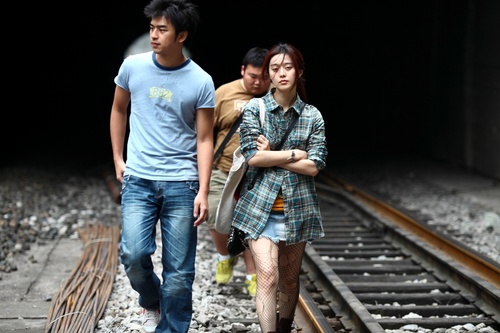
 Li Yu’s Buddha Mountain clocks in at 105 minutes, but the predictable, repetitive, and often ludicrous story of three disenchanted youths feels at least twice as long. When best friends Nan Feng (Fan Bingbing), Ding Bo (Wilson Chen), and Fatso (Fei Long) move in with Sylvia Chang (Chang Yueqin), an older woman having trouble dealing with a personal tragedy hinted at by a severely damaged car locked away in the garage, it is initially a bad match, as the teens like to hang out, sleep late, cause trouble, and show no consideration for others, while Master Chang sings opera at the break of day, enforces a laundry list of rules, and does not tolerate selfishness. Li (Lost in Beijing) fills Buddha Mountain with set pieces that feel like they are from different movies, trying to cram too much in; the journey to the title location is particularly forced. She also enjoys showing Nan, Ding, and Fatso walking down railroad tracks and standing atop moving trains, experiencing a freedom they have definitely not earned. But the biggest problem with Buddha Mountain is that it’s difficult to like or care about the four protagonists, so by the time they start appreciating one another, it’s too late. A veteran of numerous international fests, including Cannes, Tokyo, and Deauville Asian, the dreary Buddha Mountain will make its North American premiere July 3 & 5 at the New York Asian Film Festival at Lincoln Center. Keep watching twi-ny for more reviews from our favorite festival of the year.
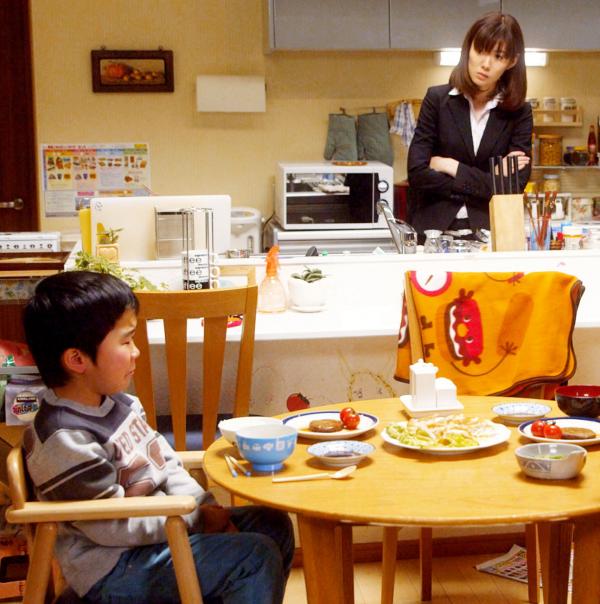
 Following audience favorites Fish Story in 2009 and last year’s Golden Slumber, Japanese director Yoshihiro Nakamura returns to the New York Asian Film Festival with the North American premiere of the often silly but mostly charming heartwarmer A Boy and His Samurai. Based on a manga by Gen Araki, the family-friendly film focuses on single mother Hiroko (Rie Tomosaka) and her young son, Tomoya (Fuku Suzuki), whose lives get turned upside down when Kijima Yasube (Ryo Nishikido) suddenly shows up, claiming to be a samurai from the Edo Period some 180 years ago. In exchange for food and lodging, Yasube helps around the house, doing the cooking and cleaning and looking after Tomoya while Hiroko is at work. When Yasube shows a knack for making amazing desserts, he puts down his sword in favor of a pastry knife, but trouble awaits this mild-mannered samurai. Yasube adapts a little too quickly to the modern world in this fish-out-of-water tale, but every time it threatens to become too conventional, taking the easy way out, Nakamura adds just enough twist and turns to keep it fresh. Tomosaka and Nishikido are fine in their fairly standard roles, but Suzuki is the real star as the cute kid excited to have a father figure around. A joint presentation of the NYAFF and Japan Cuts: The New York Festival of Contemporary Japanese Cinema, A Boy and His Samurai is screening July 3 at 12:30 and July 4 at 6:30 at the Walter Reade Theater at Lincoln Center.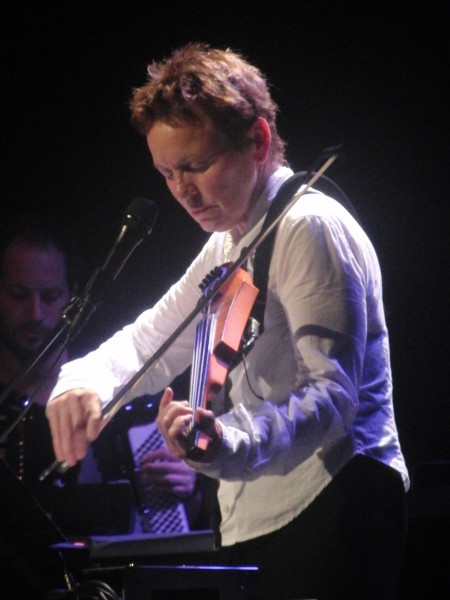
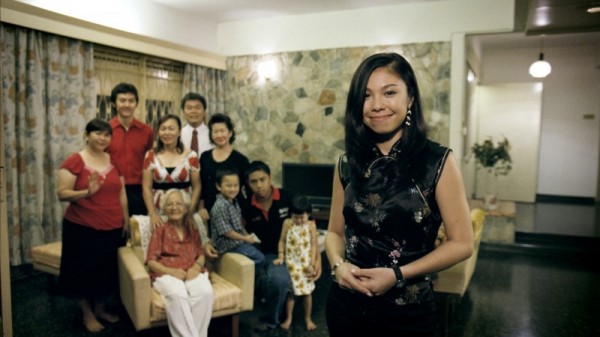

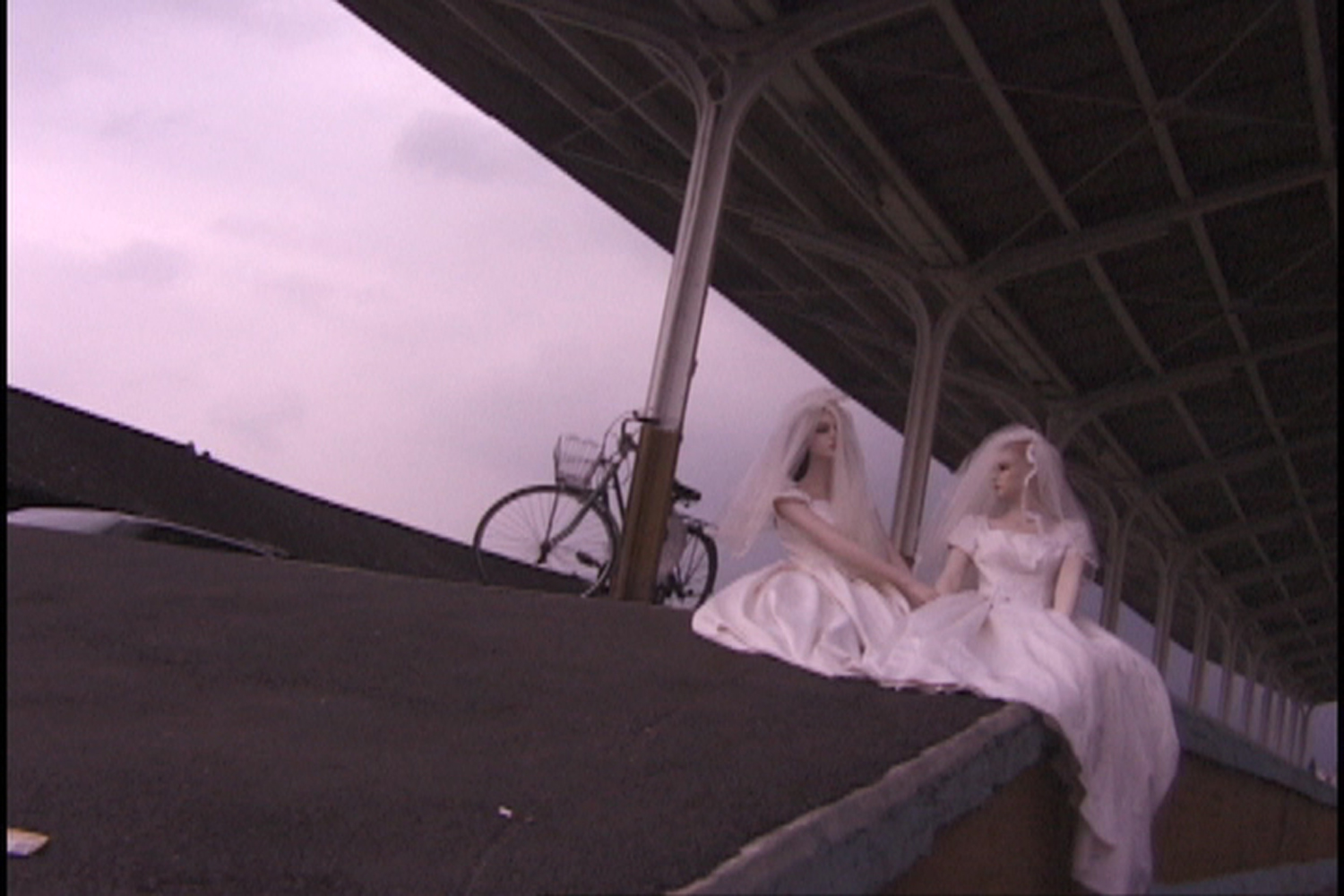
 “Breaking the Waves: The Films of Zero Chou,” the New York Public Library for the Performing Arts’ month-long tribute to Taiwan’s only openly lesbian filmmaker, Zero Chou, concludes June 30 at 6:30 with the intimate and deeply personal Corner’s.. Named Best Documentary at the 2002 Taipei Film Festival, Corner’s centers on a gay bar in Taipei where closeted homosexuals come to be free, revealing a side of themselves they are forced to hide in the outside world. Chou focuses on such characters as Simon, a financial manager who turns into the elegant Sophia, and a man known as the Empress, who hosts a major gay party at a five-star hotel, as she explores the hopes and dreams of a group of people who just want their own little piece of happiness. Chou takes her camera inside a public rest room as one gay man describes what goes on inside; she also occasionally cuts to a naked lesbian couple in the midst of heated erotic passion. The sixty-minute work is narrated by Chou’s longtime partner, photographer and producer Liu Hoho, who recites poetic text in French that poignantly relates to the difficulties of being gay in Taiwanese society but avoids becoming pedantic or overtly political. Like many of her fiction films and other documentaries, Corner’s celebrates the repressed gay subculture of Taiwan, showing the good with the bad but filled with an infectious spirit and love of life.