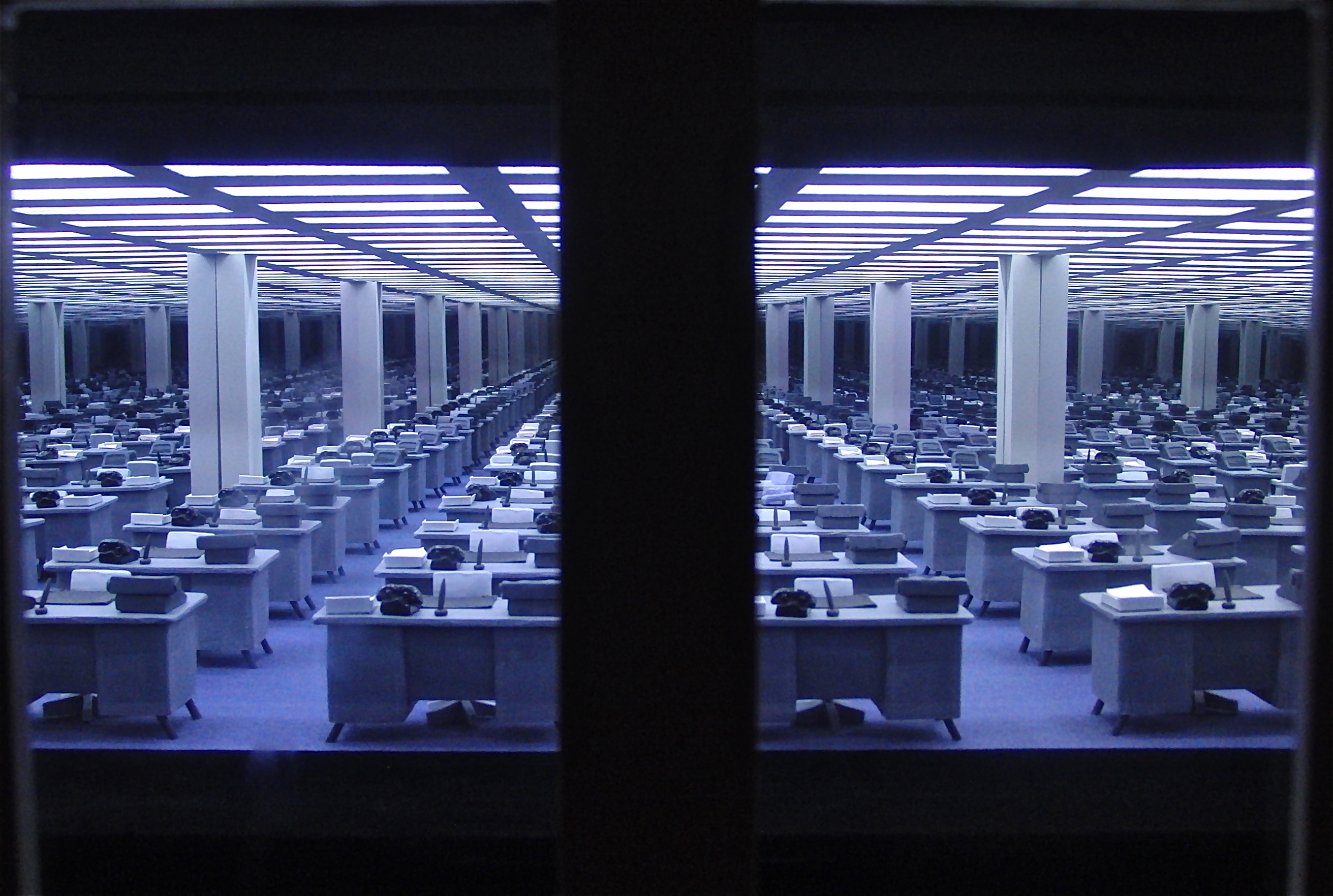
David Lawrey and Jaki Middleton, “Consolidated Life,” timber, paint, aluminum, glass, polyurethane, polymer clay, felt, cardboard, velvet, light-emitting diodes, gatorboard, motor, wire, and electronics, 2010 (photo by twi-ny/mdr)
Museum of Arts & Design
2 Columbus Circle at 58th St. & Broadway
Tuesday – Sunday through September 18, $15 (pay-what-you-wish Thursdays & Fridays 6:00 – 9:00)
212-299-7777
www.madmuseum.org
It’s a small world, after all, at the Museum of Arts & Design, where the charming multifloor exhibition “Otherworldly: Optical Delusions and Small Realities” continues through September 18. Divided into such sections as “Unnatural Nature,” “Apocalyptic Archaeology,” “Dreams and Memories,” and “Voyeur/Provocateur,” the show, which brings huge smiles to visitors both big and small, focuses on two types of miniature art: works that are self-contained and models that are designed in order to make photographs that mimic life-size reality in fascinating ways. Joe Fig goes inside the art world itself, re-creating in marvelous detail Chuck Close’s studio, Jackson Pollock throwing paint on a floor canvas, and his own studio, in which he can be seen constructing the very piece he is in. Amy Bennett’s impossibly tiny doctor’s office includes a waiting room, an examination room, and a diagnosis room, all populated by patients and physicians going about their business. Walter Martin creates wintry scenes inside snow globes. David Lawrey and Jaki Middleton offer a delightful peak inside an empty insurance office in “Consolidated Life.” And Charles Matton projects ghostly images inside “Bibliotheque avec un souvenir d’Anna.” One of the most compelling works is Liliana Porter’s “Man with Axe,” in which the titular character has smashed up a wide variety of items, including porcelain figures, ladders, and clocks, essentially stopping time, a kind of microcosm for the exhibit as a whole. While those works stand on their own, other installations question the nature of art and reality in that they were created primarily to be turned into reality-defying photographs and videos. In many cases, if you look at the pictures first, you would not be able to tell that they are photos of miniatures, from Lori Nix’s “Beauty Shop” and Matton’s “Rhinoceros: Homage to Eugene Ionesco” to Peter Feigenbaum’s “187.1” and Oliver Boberg’s “Slum 1.” In addition, Chris Levine’s “My Deep SEE Adventure” and Mat Collishaw’s “Garden of Unearthly Delights” incorporate light and motion into the equation in dizzying ways. “Otherworldly” is a lot more than just a collection of cute, interesting dollhouses; it is a well-curated survey of genre-defining and –defying multimedia works and site-specific installations that challenge viewers to reconsider what they see and how they process that information, all while offering a whole lot of fun. (Also on view at MAD now is “Stephen Burks | Are You a Hybrid?” through October 2 and “Flora and Fauna, MAD About Nature” through November 6.)
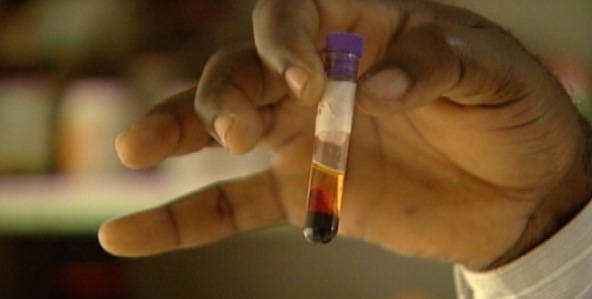
 You don’t have to be black to be moved by Why Us? Left Behind and Dying. But as narrator, cowriter, and production associate Tamira Noble points out early on, the film is meant as a wake-up call to African Americans to do something about the continuing HIV/AIDS crisis specifically affecting blacks in the United States and Africa. “There’s a choice facing us in black America right now,” director Claudia Pryor Malis says in the film’s production notes. “Turn away from this new stigma or face it, unpack it, and remove its sting — passive self-destruction or active self-love.” Pryor Malis teamed with twenty students from Westinghouse High School in Pittsburgh, all between the ages of fourteen and seventeen, to make the film, which served as a class project for them. Over the course of a year and a half, the students met with researchers, activists, doctors, community leaders, virologists, straight and gay people with HIV, and men, women, and teenagers who still do not use protection when having sex. Noble reveals fascinating and frightening statistics about the disproportionate number of HIV-positive blacks in the United States and Africa and discusses the many reasons for the disparity, including shame, secrecy, homophobia, religious belief, genetic variation, and just plain carelessness. Noble, who was a high school senior when the project started, naturally grew into her unexpected role as narrator and cowriter, and she does an outstanding job anchoring the film, serving as a kind of surrogate for the viewer. Why Us? is an important look at a critical situation that must be dealt with — and fast. Why Us? is screening on September 9 at 5:55 at the Maysles Institute as part of the