Visual artist and bilingual poet Yuko Otomo will participate in both New Year’s Day marathons (photo by Marilyn Kaggen)
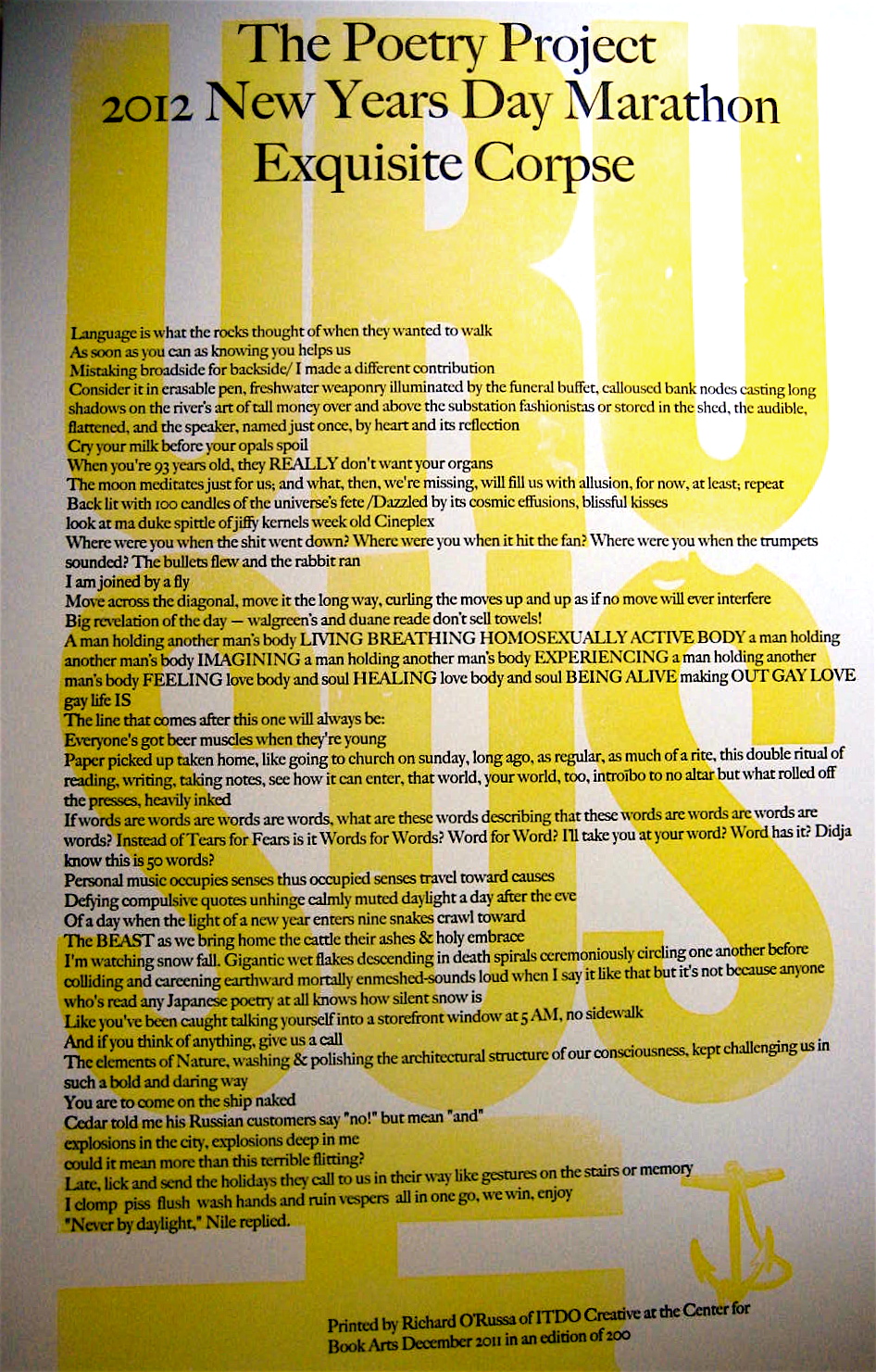
Every January 1, a pair of poetry marathons do battle on the Lower East Side in celebration of the new year. The Poetry Project at St. Marks Church (131 East 10th St. at Second Ave., $20, 3:00 – 12 midnight) will be hosting its thirty-eighth annual New Year’s Day Marathon Benefit Reading, featuring 140 artists, 52 of whom contributed a line to the broadside “Exquisite Corpse,” which begins, “Language is what the rocks thought of when they wanted to walk.” The always spectacular lineup includes Anne Waldman with Ambrose Bye & Daniel Carter, Bob Hershon, Church of Betty, Eileen Myles, Elinor Nauen, Elliott Sharp, John Giorno, John S. Hall, Jonas Mekas, Judith Malina, Lee Ranaldo, Lenny Kaye, Mónica de la Torre, Nick Hallett, Patti Smith, Penny Arcade, Steve Earle, Susie Timmons, Suzanne Vega, Taylor Mead, Thurston Moore, Wayne Koestenbaum, Yoshiko Chuma, and Yvonne Meier with Aki Sasamoto. The exact schedule is available only onsite. Meanwhile, over at the Bowery Poetry Club (308 Bowery between Houston & Bleecker Sts., free with suggested donation of paperback books for Books Through Bars, 2:00 – 12 midnight), the eighteenth annual Alternative New Year’s Day Spoken Word and Performance Extravaganza features more than 150 performers as well an open mic, with such guests as Corrina Bain, Richard Kostelanetz, Ocean Vuong, EJ Antonio, Adam Falkner, Marcy Alexis, Steve Cannon, Emanuel Xavier, Kathi Georges, Jackie Sheeler, Eve Packer, Nancy Mercado, Ngoma, Sparrow, Laura Dinnebeil, Angelo Vergas, and such double-duty poets as Steve Dalachinsky, Anselm Berrigan, and Yuko Otomo, who will read at both marathons. This year’s Bowery theme is “Kaleidoscope”: “Come observe what happens when words shift and flicker! We are a circle of mirrors. Together we reflect the rest of the world.”


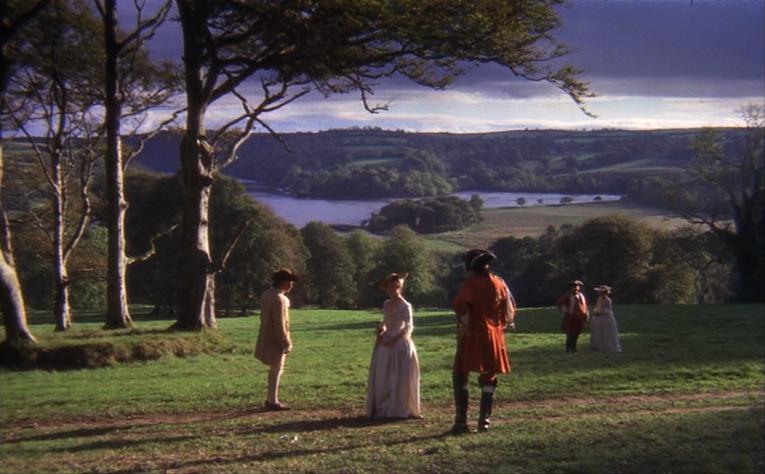
 The Museum of the Moving Image concludes its “See It Big!” series, in which major motion pictures that deserve to be seen on the big screen are shown in the museum’s recently renovated and expanded theater, with one of the most elegantly visual pictures ever made, Stanley Kubrick’s lush, romantic epic, Barry Lyndon. Based on William Makepeace Thackeray’s 1844 serialized picaresque novel The Luck of Barry Lyndon, Kubrick’s extravagant three-hour tale follows the shenanigans of one Redmond Barry, played with endless charm by Ryan O’Neal. The man soon to be known as Barry Lyndon has a remarkable knack for survival — or maybe it’s just plain old Irish luck — as he rises in English society via a series of duels (with epees, guns, and bare knuckles), military battles (the Seven Years’ War), and, most prominently, sexual conquests. Consisting of two sections, “By What Means Redmond Barry Acquired the Style and Title of Barry Lyndon” and “Containing an Account of the Misfortunes and Disasters Which Befell Barry Lyndon,” the film features glorious music by Bach, Vivaldi, Handel, Mozart, Schubert, and the Chieftains in addition to absolutely divine locations and costumes that lay the groundwork for the sumptuous Oscar-winning art direction by Ken Adam, Vernon Dixon, and Roy Walker and cinematography by John Alcott; virtually every scene contains beautiful shots based on famous paintings, a treat for the eyes and the ears. (Leonard Rosenman took home an Academy Award as well for his adapted score.) The overly long story does drag at times, but it flows better once you get used to O’Neal in the title role. The underappreciated film also has a great supporting cast, with Marisa Berenson as Lady Lyndon, Patrick Magee as the Chevalier de Balibari, Hardy Krüger as Captain Potzdorf, Steven Berkoff as Lord Ludd, Leonard Rossiter as Captain John Quin, and Gay Hamilton as Nora Brady. The Museum of the Moving Image is screening a restored 35mm print of Barry Lyndon on December 30 at 7:00 and January 1 at 6:00.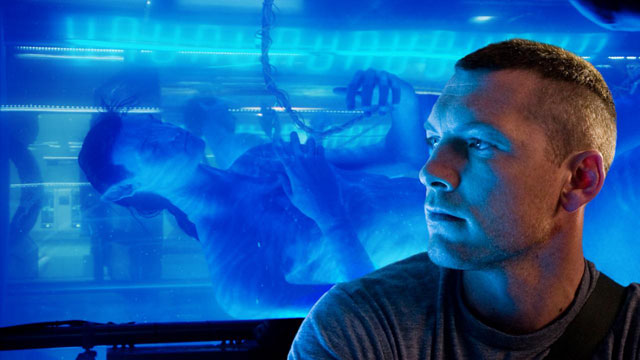
 Canadian-born director James Cameron (The Terminator, Aliens, The Abyss, and some movie about a big sinking ship) crafts an expensive, high-tech apology to native people the world over in the futuristic adventure thriller Avatar. Borrowing elements from such films as The Matrix, Alien, the Lord of the Rings trilogy, the Star Wars saga, Disney’s animated Pocohantas, Reign of Fire, and many a cowboy-and-Indian tale, Cameron propels audiences into 2154, where a team of scientists join up with military troops on Pandora, home to the invaluable mineral unobtainium as well as a native race known alternately as the na’vi, or the People. In the middle of it all is Jake Sully (Sam Worthington), a wheelchair-bound former Marine who takes the place of his brilliant brother, who was recently murdered. While head researcher Dr. Grace Augustine (Sigourney Weaver) thinks bringing Jake on board is a mistake, Col. Miles Quaritch (Stephen Lang) sees it as an opportunity to make use of Jake’s expert reconnaissance skills, so Jake takes over what would have been his brother’s avatar — a giant creation modeled after the na’vi that humans can operate from a pod while asleep and that gives Jake the opportunity to walk again through this tall blue being. Quaritch secretly promises Jake that he will get him the costly procedure that will give him back the use of his real legs if he infiltrates the na’vi and sends intel back to the colonel as the military prepares an all-out assault on the People, but when Jake falls for the beautiful Neytiri (Zoë Saldaña), he undergoes a change of heart. As with most Cameron films, the visual splendor is thwarted by a tired, clichéd script that devolves into complete silliness in the last half hour, spurred on by James Horner’s treacly score and plenty of poorly delivered lines. But Avatar is still lots of stupid fun, especially if you see it in 3D, as it is being shown December 29 at the Museum of the Moving Image as part of the “See It Big!” series, which concludes December 30 and January 1 with Stanley Kubrick’s lush and elegant Barry Lyndon.