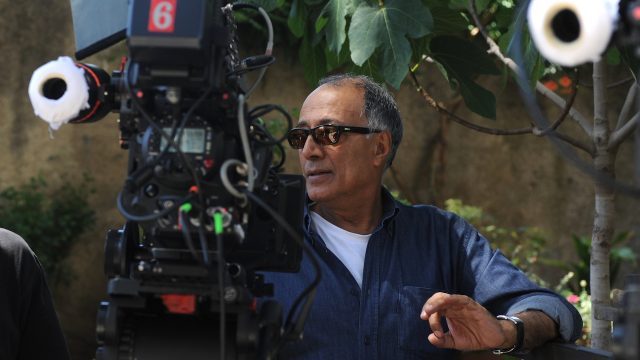
Abbas Kiarostami is subject of comprehensive retrospective at IFC, featuring three talks with Godfrey Cheshire
IFC Center
323 Sixth Ave. at West Third St.
July 26 – August 15
212-924-7771
www.ifccenter.com
“During Godfrey’s several visits to Iran throughout a decade, he formed a relationship with my father that I had rarely seen him having with other writers. I believe this is because of Godfrey’s ability to go beyond the surface, his unique views and interpretations,” Ahmad Kiarostami writes in the foreword to film critic Godfrey Cheshire’s latest book, Conversations with Kiarostami (Film Desk, July 29, $18). In the 1990s, Cheshire went to Iran on multiple occasions to interview writer-director Abbas Kiarostami, helping introduce the new Iranian cinema to the West. Cheshire will be at IFC Center for three special presentations during the fab festival “Abbas Kiarostami: A Retrospective,” a three-week series comprising virtually all of Kiarostami’s shorts and full-length works, from award-winning, well-known tales to rarely screened gems, many in 2K or 4K restorations. Among the films being shown are the Koker Trilogy (Where Is the Friend’s House?, And Life Goes On, Through the Olive Trees), Palme d’Or winner Taste of Cherry, Silver Lion winner The Wind Will Carry Us, the early documentaries First Graders and Homework, and Kiarostami’s first two features, The Traveler and The Report.
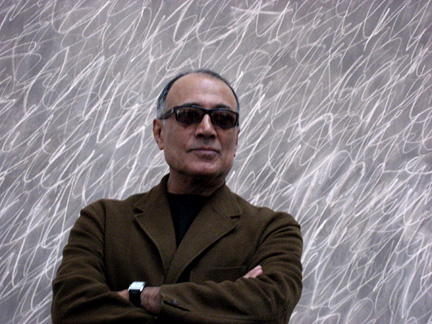
Abbas Kiarostami looks ever-so-cool at MoMA show in 2007 (photo by twi-ny/mdr)
In his Criterion essay on Taste of Cherry, Cheshire writes, “In Abbas Kiarostami’s universe, it might be said, there are no things, only relations between things. Likewise, in his cinema: no films, only relations between films—and within them. And between them and us.” Cheshire will delve into those relations at a trio of talks, beginning July 27 at 7:10 with “Kiarostami and Koker,” focusing on the trilogy and showing Through the Olive Trees. On August 3 at 5:10, for “Unseen Kiarostami,” Cheshire will screen the 1976 comedy A Wedding Suit and talk about that film as well as such other early works as Bread and Alley, Experience, and Fellow Citizen. And on August 4 at 5:20, for “Cinema in Revolution,” Cheshire will be joined by film professor Jamsheed Akrami for a screening of the initially banned Case No. 1, Case No. 2 and a discussion. In his online bio of Kiarostami, Cheshire calls the auteur “the most acclaimed and influential of Iran’s major filmmakers” and notes how in the twenty-first century “Kiarostami broadened his creative focus, devoting more time to forms including photography, installation art, poetry, and teaching,” exemplified by his 2007 exhibition “Image Maker” at MoMA and MoMA PS1. Keep watching twi-ny for reviews of individual films during this must-see retrospective.
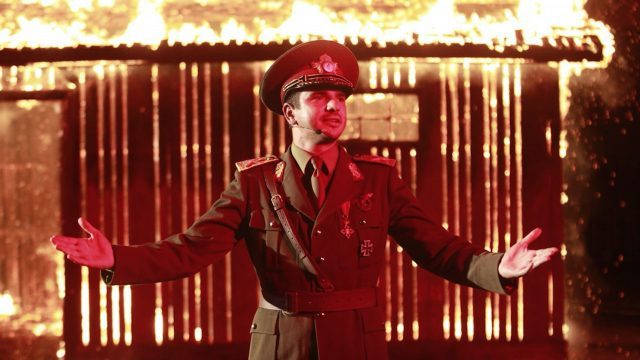
 Romanian writer-director Radu Jude follows up his 2017 documentary, The Dead Nation, with “I Do Not Care If We Go Down in History as Barbarians,” a bold, provocative fiction film with nonfiction elements that explores continuing anti-Semitism and bigotry in Romania, Eastern Europe, and the world. The title is taken from a statement made by Romanian military dictator Marshal Ion Antonescu to the Council of Ministers in the summer of 1941, just a few months before the Odessa massacre in which tens of thousands of Jews were killed by Romanian troops. The film is set in contemporary times, as theater director Mariana Marin (Ioana Iacob) is preparing for a live, one-time-only massacre reenactment in the town square. Marin is determined to show what really happened during those days, complete with brutal murders and hangings, but Constantin Movilă (theater director Alexandru Dabija), her connection with the local government, insists that she leave out the gruesome parts, that the show should be a celebration of Romanian heroes. She argues that it would not be fair to the nearly four hundred thousand Jews that were ethnically cleansed by the Romanian military, but he quibbles over what’s true and what the community wants to see. As the show approaches, Movilă threatens to cancel it while numerous actors complain about the negative aspects being depicted, displaying affection for “Uncle Hitler” and a lack of empathy for the exterminated Jews.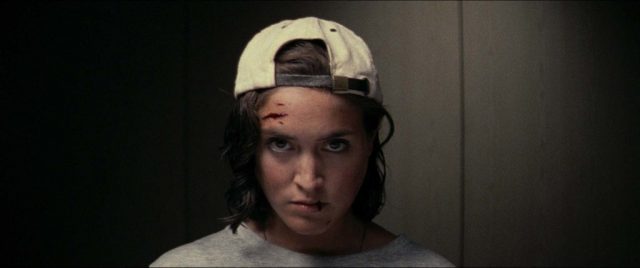
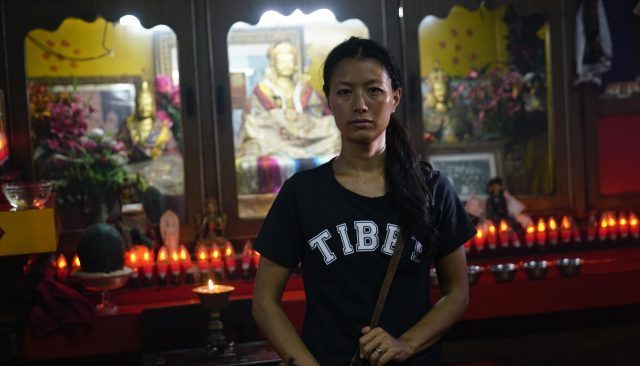
 The immigration and refugee crisis is at the heart of husband-and-wife filmmaking team Tenzing Sonam and Ritu Sarin’s The Sweet Requiem, opening July 12 at IFC. Unfortunately, the film gets bogged down in its agenda-driven narrative. Writer-director Sonam and producer-director Sarin, who were both born in India — Sonam’s parents were Tibetan refugees — have been outspoken regarding the treatment of Tibetans by the Chinese government, as depicted in such earlier works as 2007’s fictional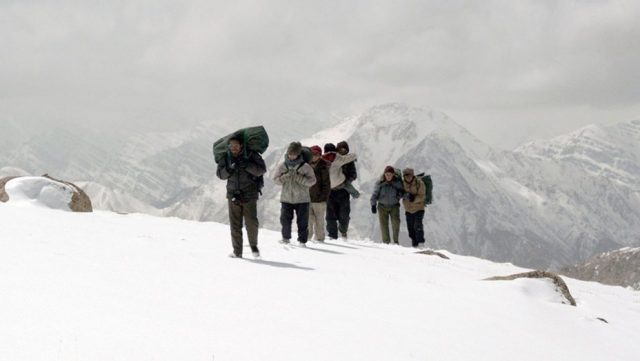
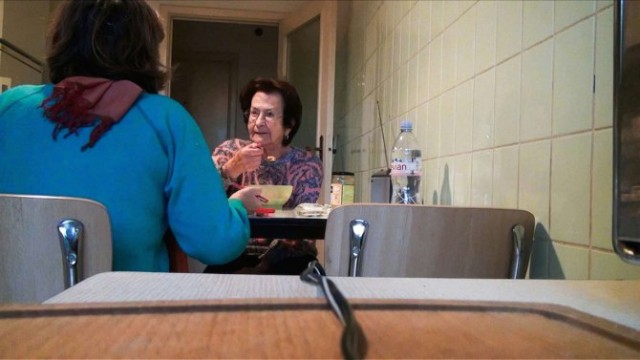
 Chantal Akerman’s No Home Movie was meant to be a kind of public eulogy for her beloved mother, Natalia (Nelly) Akerman, who died in 2014 at the age of eighty-six, shortly after Chantal had completed shooting forty hours of material with her. But it also ended up becoming, in its own way, a public eulogy for the highly influential Belgian auteur herself, as she died on October 5, 2015, at the age of sixty-five, only a few months after the film screened to widespread acclaim at several festivals (except at Locarno, where it was actually booed). Her death was reportedly a suicide, following a deep depression brought on by the loss of her mother. IFC is presenting a special screening on July 9, introduced by Akerman translator Corina Copp, who will read from Akerman’s final book, My Mother Laughs.
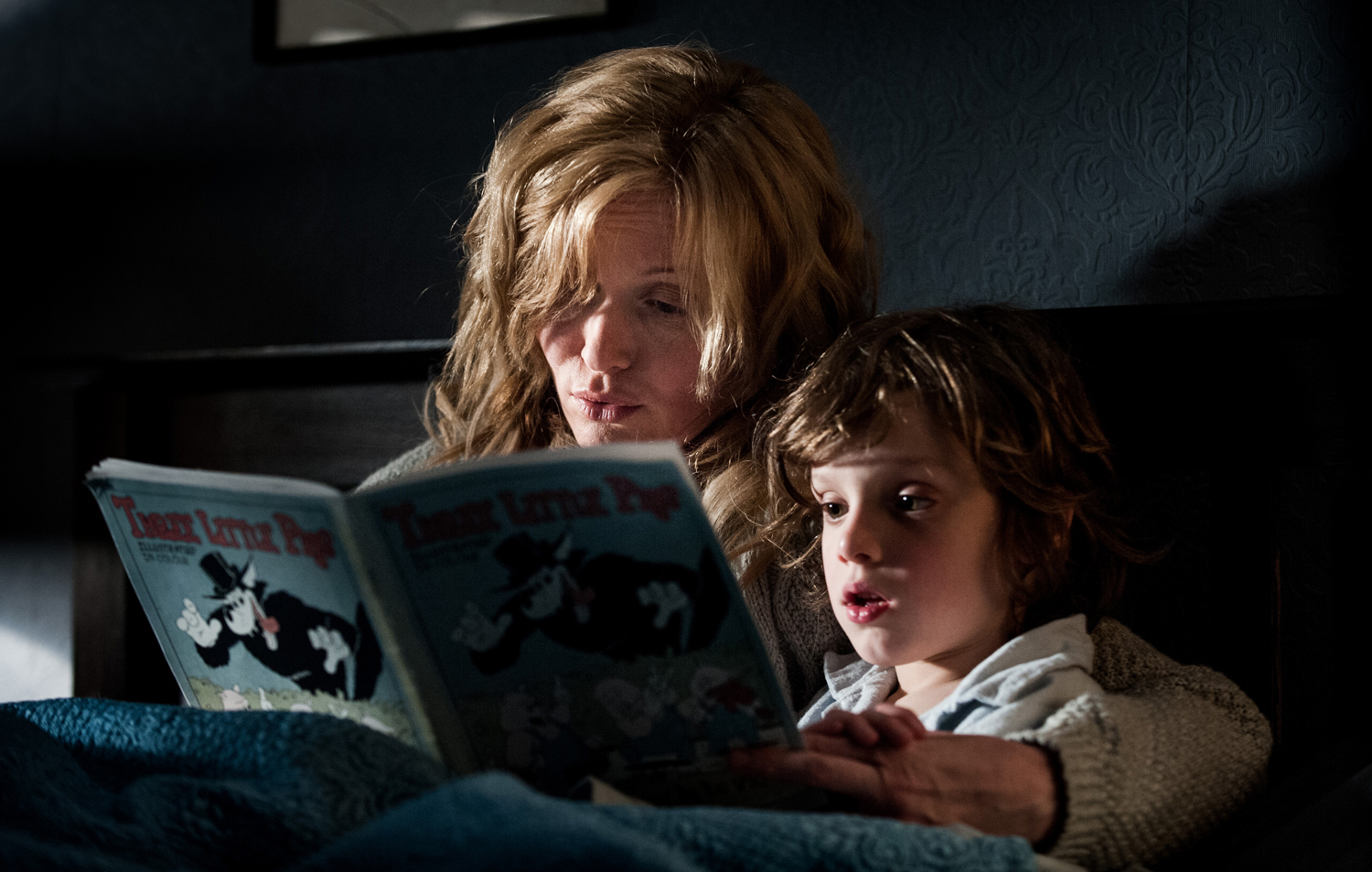
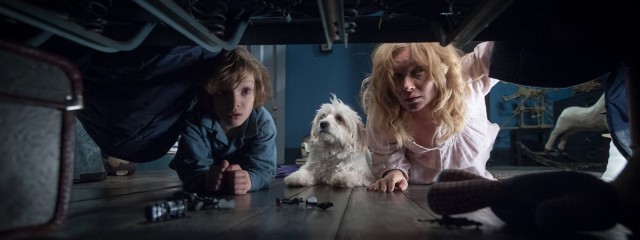
 A sleeper hit at Sundance that enjoyed a hair-raising extended run at IFC Center and was named Best First Film of 2014 by the New York Film Critics Circle, The Babadook is back at IFC as part of the “Waverly Midnights: Parental Guidance” series, screening ten minutes past midnight on Friday and Saturday night. The Babadook is a frightening tale of a mother and her young son — and a suspicious, scary character called the Babadook — trapped in a terrifying situation. Expanded from her 2005 ten-minute short,